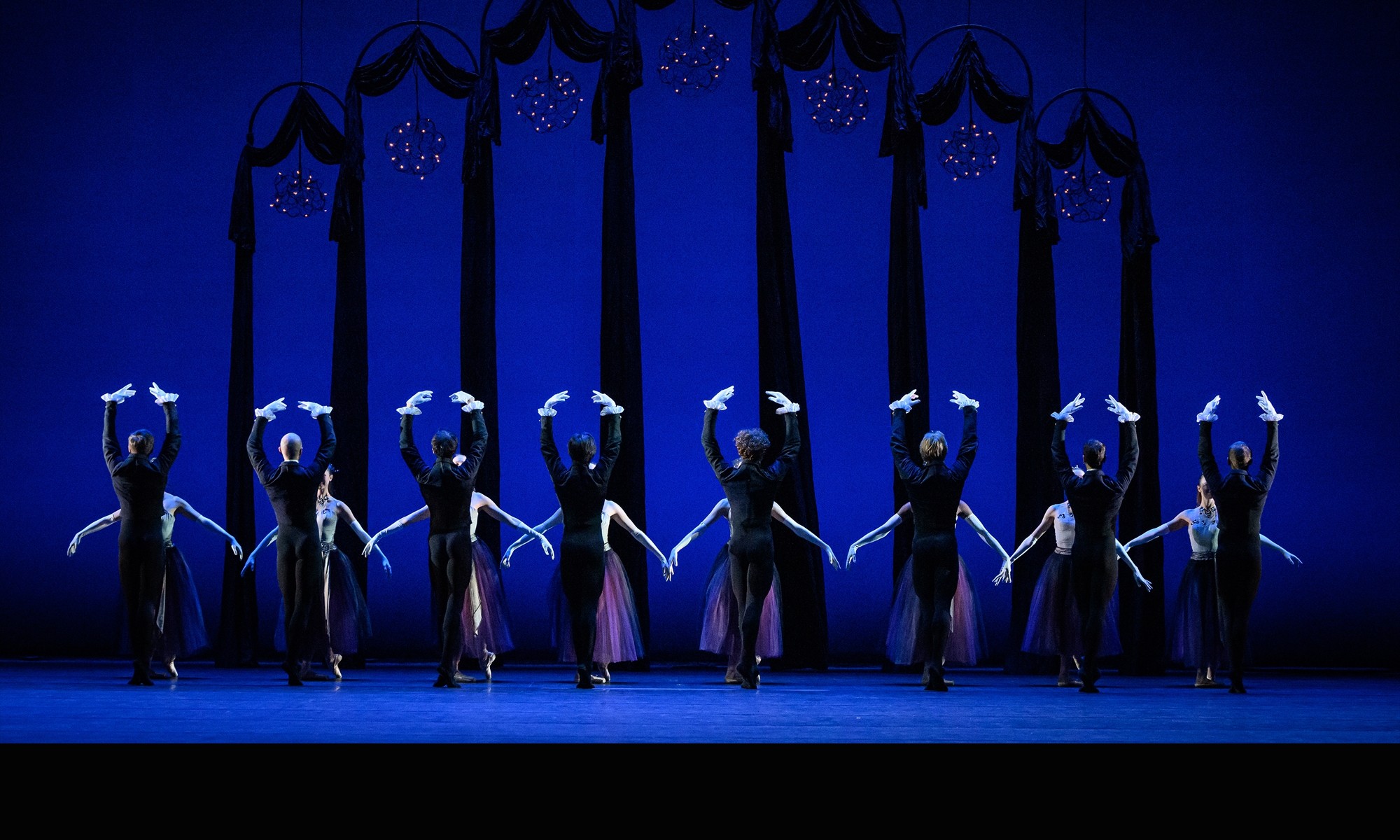
Moscow, Russia
March 16, 2026 (video conference)
by Ilona Landgraf
Copyright © 2026 by Ilona Landgraf
 In recent years, Pavel Glukhov has carved out a place for himself at the forefront of contemporary dance in Russia. Two of his latest pieces, Pavlova and Russian Character, were created for MuzArts; The Nutcracker. Not a Fairy Tale premiered with Ballet Moscow. Thanks to MuzArts’s executive producer, Daria Faezova, I was able to talk with him via video conference. Alexei Faezov kindly interpreted from Russian to English and vice versa.
What encouraged you to become a dancer? Were there any role models in your family or other sources of inspiration?
Actually, no one in my family is directly connected to art. I’m the only one. I started dancing around the age of nine. Once, when I was walking with a friend, we entered a culture club, which offered dancing classes, and I stayed there right away. I felt connected to it and liked it very much.
In Russia—and previously in the Soviet Union—we have a very good system of out-of-school education, so one always finds a broad range of additional training, such as culture circles, and as it happens, I got interested in dancing of all things. First, when I was in ninth grade, I started visiting dance training groups, and in the same year, a professional dance teacher noticed me and invited me to a city group in Yegoryevsk [around 100km southeast of Moscow]. At that time, I was living in the suburbs. I was fourteen when I started with professional training, and I got interested in all dance styles, such as classical and folk dance.
After school, I went to college, then to the Moscow State Institute of Culture, and both were connected to dance. Then I enrolled at GITIS [Russian Institute of Theatre Arts], where I graduated in 2013. I studied with Mikhail Lavrovsky, a treasure of Russian ballet.
Regarding Mikhail Lavrovsky, you once said that you didn’t share his artistic idea among others because physical truth was more important for you than acting truth. What do you mean by physical truth and acting truth?
I was different than my teacher because he represented high culture and the old school from academic circles, whereas I came from common people. Higher cultural echelons were closed for me. All the classical ballets, like Romeo and Juliet, which was choreographed by Lavrovsky’s father among others, use classical movements. It’s true the dancers play like actors, but their movements as such are codified and do not correspond to the content of their acting.
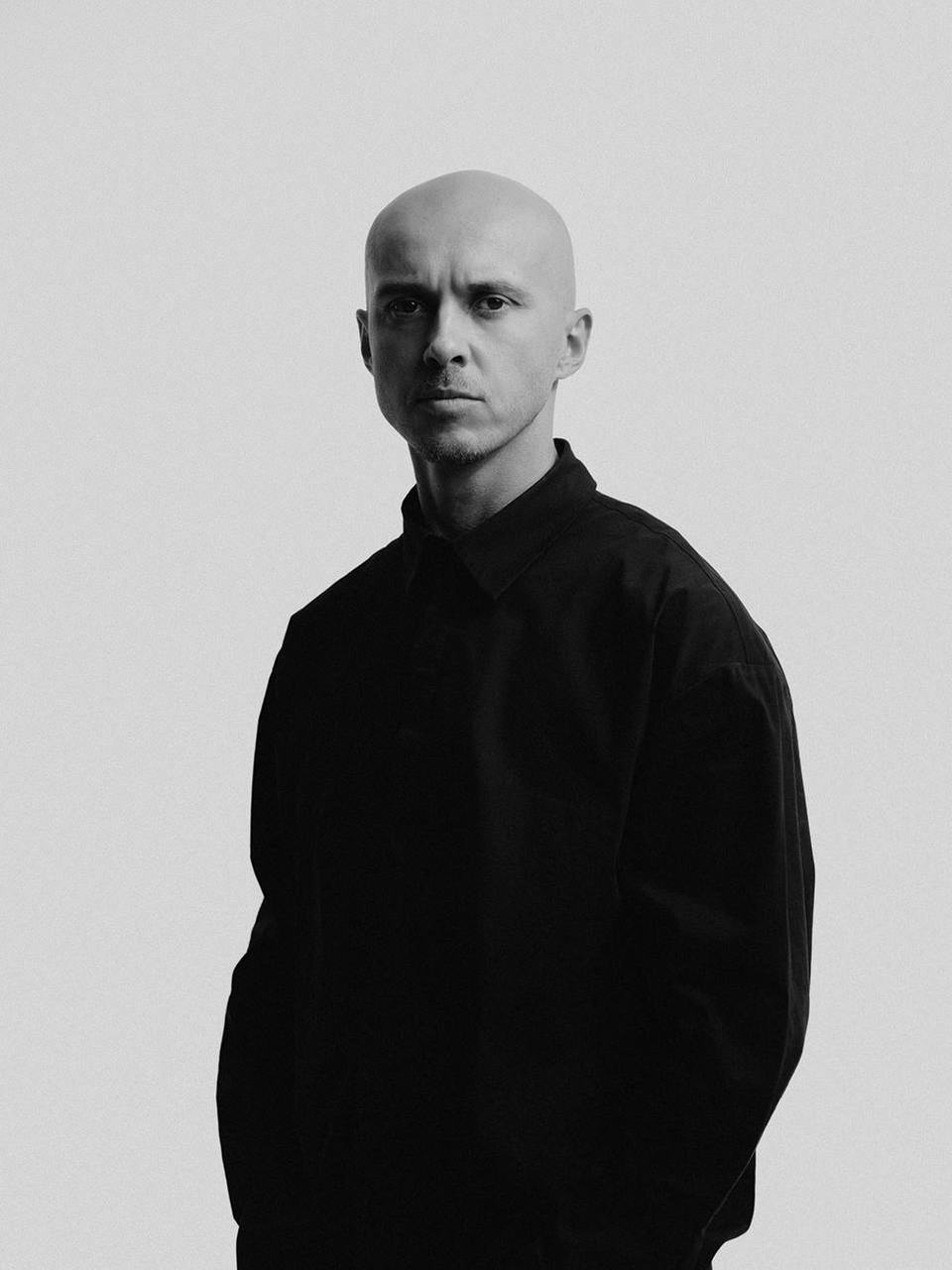 If I understood it right, you danced with Ballet Moscow and later participated in Diana Vishneva’s Context competition for young choreographers. I also read about the 2025 premiere of your The White Room at the Zaryadye Hall. How did your career develop during these years, and what projects occupied you?
After my first year in GITIS, I felt that something was missing. It wasn’t enough for me to develop and foster my interest in choreography. That’s why I started to work with Ballet Moscow. The two-pronged approach was very beneficial because I was growing on two levels simultaneously. At GITIS, I learned the basic subjects, like the history of theatre and the composition of classical or folk dance. We had proficient teachers, and I was very satisfied with their courses. As for contemporary dance, GITIS wasn’t enough, though. Contemporary dance courses were optional. We did some jazz dance, but I had attended master classes in contemporary dance before; I needed more material, more “food,” more information to realize myself on stage. In this respect, the Ballet Moscow helped me a lot. I danced four years with Ballet Moscow.
In 2016, I participated in Diana Vishneva’s competition for young choreographers, and I won the audience choice award for my piece Object of Body. After the competition, a collaboration with the Diana Vishneva Foundation arose that allowed me to develop further and gain more experience.
Till 2025, I worked on many projects. I staged a lot of miniatures for the Context festival in particular and also realized some projects with the Voronzeh State Theatre and dance troupes in Yekaterinburg. Over time, the miniatures grew into bigger performances, and now I almost created a fairy tale.
To come back to The White Room, all I know is that it’s accompanied by an organ score composed by Vladimir Martynov, but what is the piece about?
The White Room was especially made for Zaryadye. The Zaryadye Concert Hall has the biggest and best organ in Europe, which became the center of the project. The Zaryadye Hall’s management decided to collaborate with Mr. Martynov on a piece with organ music, percussion, contemporary dance, and some video projections. They chose me as the choreographer. Later, The White Room was performed at the Tchaikovsky Hall, which turned out well too. Working with Mr. Martynov was a great pleasure. The White Room has a plot, but it’s not a story ballet. It’s rather about the philosophy or the dream of a man’s life.
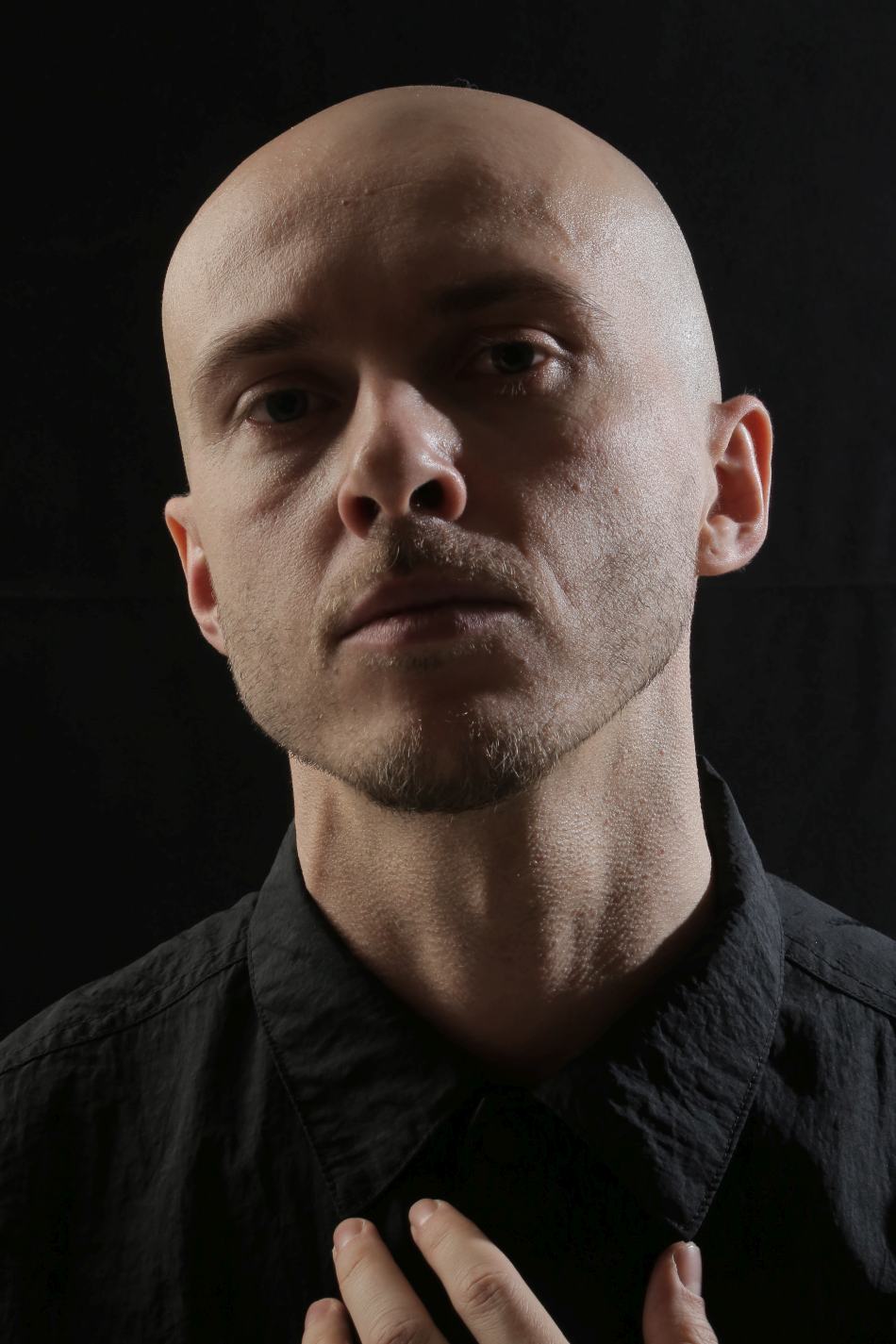 I haven’t seen The Last Session (2024) for the Stanislavsky Ballet, but I know that it’s a bloody psychological thriller. What made it a success?
That’s difficult to answer for sure. Maybe, because I was full of energy, had an idea, and a chance to work with professional ballet dancers who gave me the chance to fully express myself. I wanted to create something new for the audience, something they hadn’t seen before, something that would surprise them in every single moment. I created the piece from scratch. At that time, I was interested in Hitchcock’s techniques, in the way he worked in his movies, how he created suspense, and I wanted to see how that could be transferred to the stage
Also, I should mention that, maybe by coincidence, Nastasia Khrushcheva’s composition had exactly this Hitchcockian kind of suspense, which helped me very much.
Two of your latest choreographies, Russian Character and The Nutcracker. Not a Fairy Tale, deal with war, Russian Character with World War II, and The Nutcracker. Not a Fairy Tale with World War I. For me, especially Russian Character was hard to digest. What kind of impact does the piece have on you when watching it now?
Honestly, I usually don’t watch my works, but the last time Russian Character was performed at the Maly Theatre, I saw the whole piece. I wasn’t able to rehearse with the guys; they did their own job. I just attended the performance and was pleased as to how good they performed and how free they moved. When I start working on something and immerse myself into the material, I’m living it through and naturally get very emotional. It’s okay with me, although the process feels like going through hell. Afterwards, when the work is finished, I’m calmer. I can connect emotionally, but the piece already has become a closed book, especially as I’m already occupied with another piece. [Details about it will be disclosed at a later time.] But still, even this time, watching Russian Character made me too emotional.
One of your long-time plans is a piece based on Bertolt Brecht’s Mother Courage. What stirred your interest in a German classic?
Mother Courage has complex characters with intricate destinies…extraordinary personalities. And of course, the mother has depth and is challenged by an incredibly interesting fate. It’s a tragic story, but that’s what interests me. I’m principally fascinated by such people, by the hidden layers of their characters. Moreover, it’s not merely me deciding for an author but also the author finding you.
Have you already decided about the music?
It’s too early to talk about the music because I have this idea for almost ten years, but there are no actual plans to realize it. When I was younger, I created pieces offhandedly with my friends, but now my approach is professional. So it’s an idea still waiting to be accomplished.
You have four children. If they were asked about their father’s work, how would they answer?
I think the first thing they would say is that because of his work, they don’t see me at home very often. In that respect, they won’t be positive about my work.
Do they sometimes attend performances?
My children are of different ages. My oldest daughter celebrates her eighteenth birthday tomorrow, and she comes very often and, usually, she likes my pieces. As for my younger children, they come from time to time, given the piece is appropriate for their age. But I should mention that my spouse [Anastasia Glukhova] helps me very much, more than my children. She’s a dance and theater critic, so we work in the same field.
| Photos: | 1. | Pavel Glukhov © Rust2D |
| 2. | Pavel Glukhov © Igor Klepnev | |
| 3. | Pavel Glukhov © Rust2D | |
| Editing: | Kayla Kauffman |


