Legendary

“Swan Lake”
Bolshoi Ballet
Bolshoi Theatre
Moscow, Russia
September 7 and 8, 2026 (Historic Stage)

by Ilona Landgraf
Copyright © 2026 by Ilona Landgraf
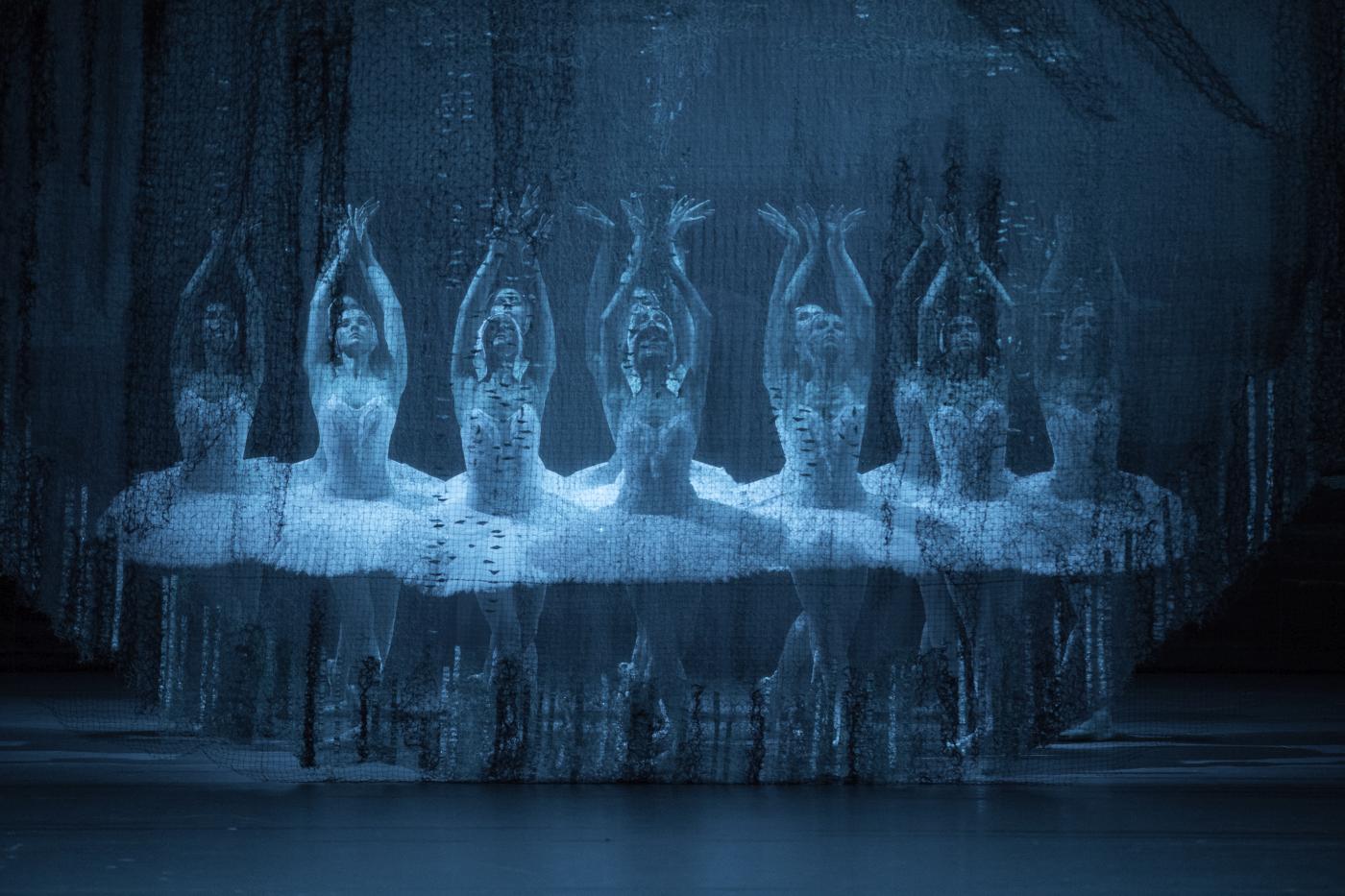
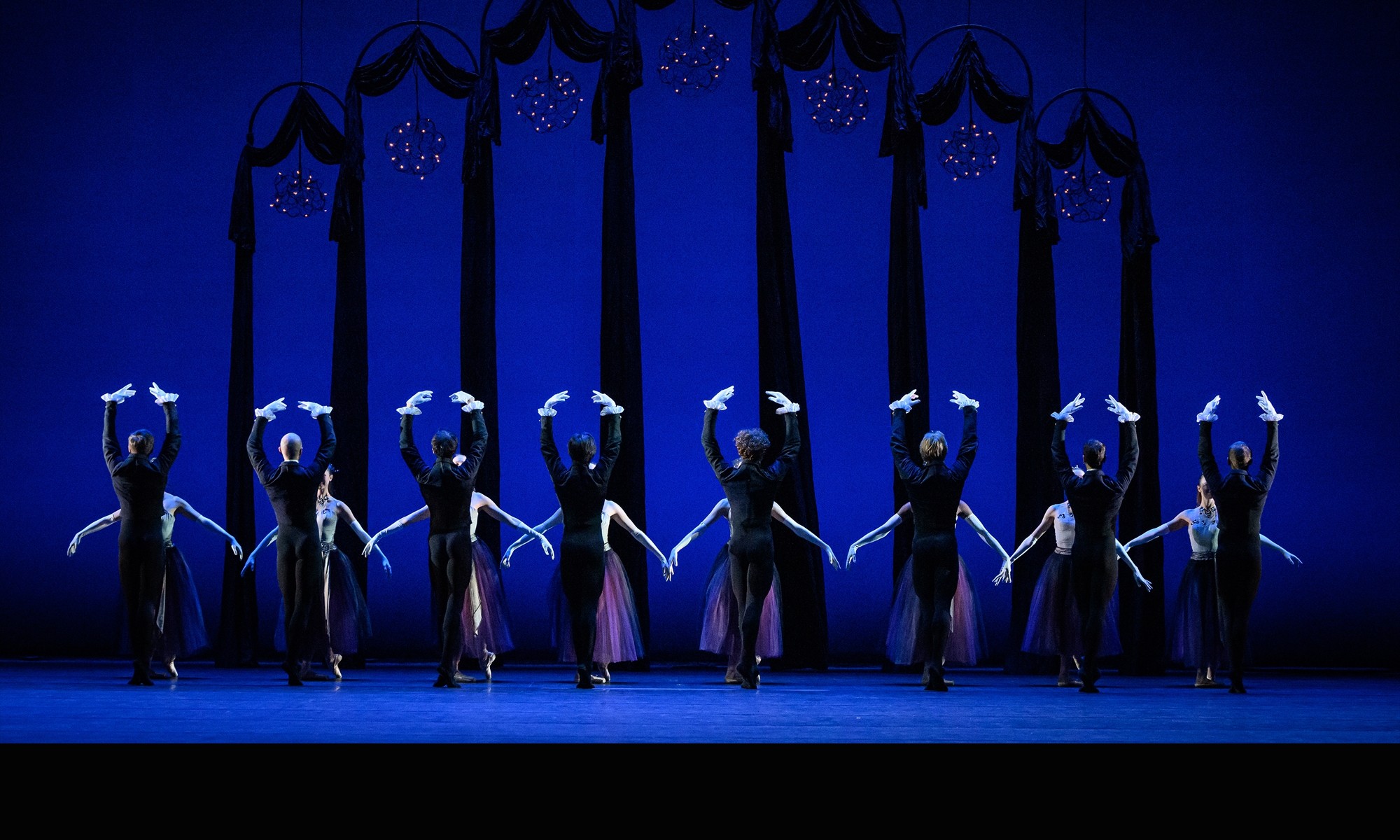
1. Ensemble, “Swan Lake” by Y.Grigorovich, Bolshoi Ballet 2026 © Bolshoi Theatre/N.VoronovaThe Bolshoi Ballet is legendary for its Swan Lake. The first performance took place in 1877, almost one hundred and fifty years ago. This September, the swans danced for the 1,868th time, which translates to roughly thirteen Swan Lakes per year. Since 2001, the company has performed Yuri Grigorovich’s version, which includes scenes by Marius Petipa, Lev Ivanov, and Alexander Gorsky.

Grigorovich’s Swan Lake is grand. Its concepts and ideals represent the highest achievements of humanity and culture—dignity, decorum, grace, love, and unmatched beauty—and it shows how easily human nature can be led awry. Compared to Vladimir Bourmeister’s Swan Lake at the Stanislavsky Theatre, a ballet that reveals the protagonists’ inner life like none I’ve seen so far, Grigorovich portrays them as emblematic figures in an allegory, the sad ending of which Tchaikovsky’s prologue forebodes.

3. A.Denisova (Odile), “Swan Lake” by Y.Grigorovich, Bolshoi Ballet 2026 © Bolshoi Theatre/M.Logvinov 2. D.Moseyeva (Odette), “Swan Lake” by Y.Grigorovich, Bolshoi Ballet 2026 © Bolshoi Theatre/D.Yusupov For the first act, Simon Virsaladze designed a Gothic castle of majestic height. Its trombone players are positioned in mirror image and wear partly red livery that conveys the court’s harmonious order. The entrance of twelve couples, along the line of which Prince Siegfried jetés in, infuses the stage with dynamism. Soaring high, he combines prowess with elegance. The lakeside to which Rothbart (“The Evil Genius”) directs him like a puppeteer is lit by gray moonlight and streaked with wisps of cloud. From a rock at he rear, the Evil Genius oversees his spell. Like a yin-yang symbol, his emblem, a curtain in the shape of a coat of arms, shows white and black swans opposite one another. It has a vicious look and, when lowered, hides the Evil Genius’s machinations or serves as a screen for the Prince’s visions. For Act II’s ball, the retinue swapped their red garments for turquoise. The non-dancing court society wore medieval-ish robes, including pageboy wigs for the men (costumes also by Virsaladze). My favorite part of the outfit was the Russian delegation’s pearl hair accessories.

4. D.Vyskubenko (Prince Siegfried) and ensemble, “Swan Lake” by Y.Grigorovich, Bolshoi Ballet 2026 © Bolshoi Theatre/E.FetisovaOn September 7th, Darina Moseyeva’s Odette was a fragile swan woman who seemed to live on the air she breathed. A highly sensitive creature, Dmitry Vyskubenko’s Prince treated her with utmost care. Moseyeva immersed herself so deeply into the role that she really seemed to transform into a bird-human chimera. Unfortunately, for undisclosed reasons, she didn’t dance in the second act, and Yaroslava Kuprina replaced her after a prolonged break and an announcement. Kuprina’s Odile was a perfect masquerade of wickedness—sharp and calculating, yet alluring. Presumably having rehearsed all day for her actual Swan Lake on the evening after next, Kuprina ran out of steam during the fouetées but regained her energy in the final scene at the lakeside. She was met with intense applause at the curtain calls, and the Vietnamese delegation that attended the performance in the Imperial Box expressed its appreciation with an announcement and a flower basket for the company.
Vysubenko was an impeccable partner throughout. His entrechats were stunningly filigree, and in the vision scene, his port de bras turned the air velvety.

5. M.Mikhalkin (Prince Siegfried), “Swan Lake” by Y.Grigorovich, Bolshoi Ballet 2026 © Bolshoi Theatre/P.RychkovSeptember 8th’s Odette (Arina Denisova) and her Prince (Makhar Mikhalkin) were mesmerizing in their adagio pas de deux. It touched the soul in a way that cannot be grasped intellectually. Denisova’s Odette was calmer than Moseyeva’s and most aflutter when the Prince swore his love. Her sparkling Odile’s arms undulated like a snake; her gaze was compelling and her smile sure of victory. Of Mikhalkin’s solos, I especially admired his picture-book manège of tours en l’air.
Egor Gerashchenko’s Evil Genius darted along the line of his black swans like Spartacus; on the following evening, Igor Tsvirko danced the role, spreading menacing vibes far into the auditorium.

6. Ensemble, “Swan Lake” by Y.Grigorovich, Bolshoi Ballet 2026 © Bolshoi Theatre/M.LogvinovAkib Anvar’s jester jumped and capered fabulously, his tours, split jumps, and daredevil combinations propelling the energy at the right moments like an engine. Of the Prince’s two friends, Kristina Petrova and Margarita Shrayner danced more polished than Antonina Chapkina and Elizaveta Kruteleva. However, the latter had to deal with the quick tempo that Alexey Bogorad set at the conductor’s podium (Pavel Sorokin’s tempo on the previous evening was more moderate). At times, he also hastened the swans.

Of the brides-to-be, Ana Turazashvili’s was a self-assured, top-notch Hungarian bride who paid remarkable attention to every detail of her variation. Elizaveta Gaponenko, by comparison, made me think of Raymonda. Both Russian brides (Antonina Chapkina and Maria Konkova) were warm and giving, their arms as soft as the most gentle breeze. The Spanish brides (Anastasia Smirnova and Kristina Petrova) 7. Ensemble, “Swan Lake” by Y.Grigorovich, Bolshoi Ballet 2026 © Bolshoi Theatre/N.Voronova glided across the stage with space consuming steps, which showed off their full, flowing skirts. The Neapolitan dance led by Valeria Bespalova was vivacious, whereas on the following evening, Sofia Maimula and her Neapolitan companions hurried to keep up with Bogorad’s brisk pace. Taisia Konovalova’s Polish bride’s male entourage faced the same challenge. On the previous evening, Olga Marchenkova and her men were unremarkable.

Nelli Kobakhidze and Anastasia Meskova portrayed the Princess-Mother; Alexey Loparevich and Alexander Fadeyechev played the Prince’s tutor; Nikita Elikarov was the Master of Ceremonies at both performances.
The swan corps moved with impeccable precision and grace. Watching its beautiful patterns felt like a gift.

Link: Website of the Bolshoi Theatre
Photos: 1. Ensemble, Swan Lake” by Yuri Grigorovich, Bolshoi Ballet 2026 © Bolshoi Theatre/Natalia Voronova
2. Darina Moseyeva (Odette), Swan Lake” by Yuri Grigorovich, Bolshoi Ballet 2026 © Bolshoi Theatre/Damir Yusupov
3. Arina Denisova (Odile), Swan Lake” by Yuri Grigorovich, Bolshoi Ballet 2026 © Bolshoi Theatre/Mikhail Logvinov
4. Dmitry Vyskubenko (Prince Siegfried) and ensemble, Swan Lake” by Yuri Grigorovich, Bolshoi Ballet 2026 © Bolshoi Theatre/Elena Fetisova
5. Makhar Mikhalkin (Prince Siegfried), Swan Lake” by Yuri Grigorovich, Bolshoi Ballet 2026 © Bolshoi Theatre/Pavel Rychkov
6. Ensemble, Swan Lake” by Yuri Grigorovich, Bolshoi Ballet 2026 © Bolshoi Theatre/Mikhail Logvinov
7. Ensemble, Swan Lake” by Yuri Grigorovich, Bolshoi Ballet 2026 © Bolshoi Theatre/Natalia Voronova
Editing: Kayla Kauffman


First Time

“Cinderella”
Bolshoi Ballet
Bolshoi Theatre
Moscow, Russia
September 05, 2026 (Historic Stage)

by Ilona Landgraf
Copyright © 2026 by Ilona Landgraf

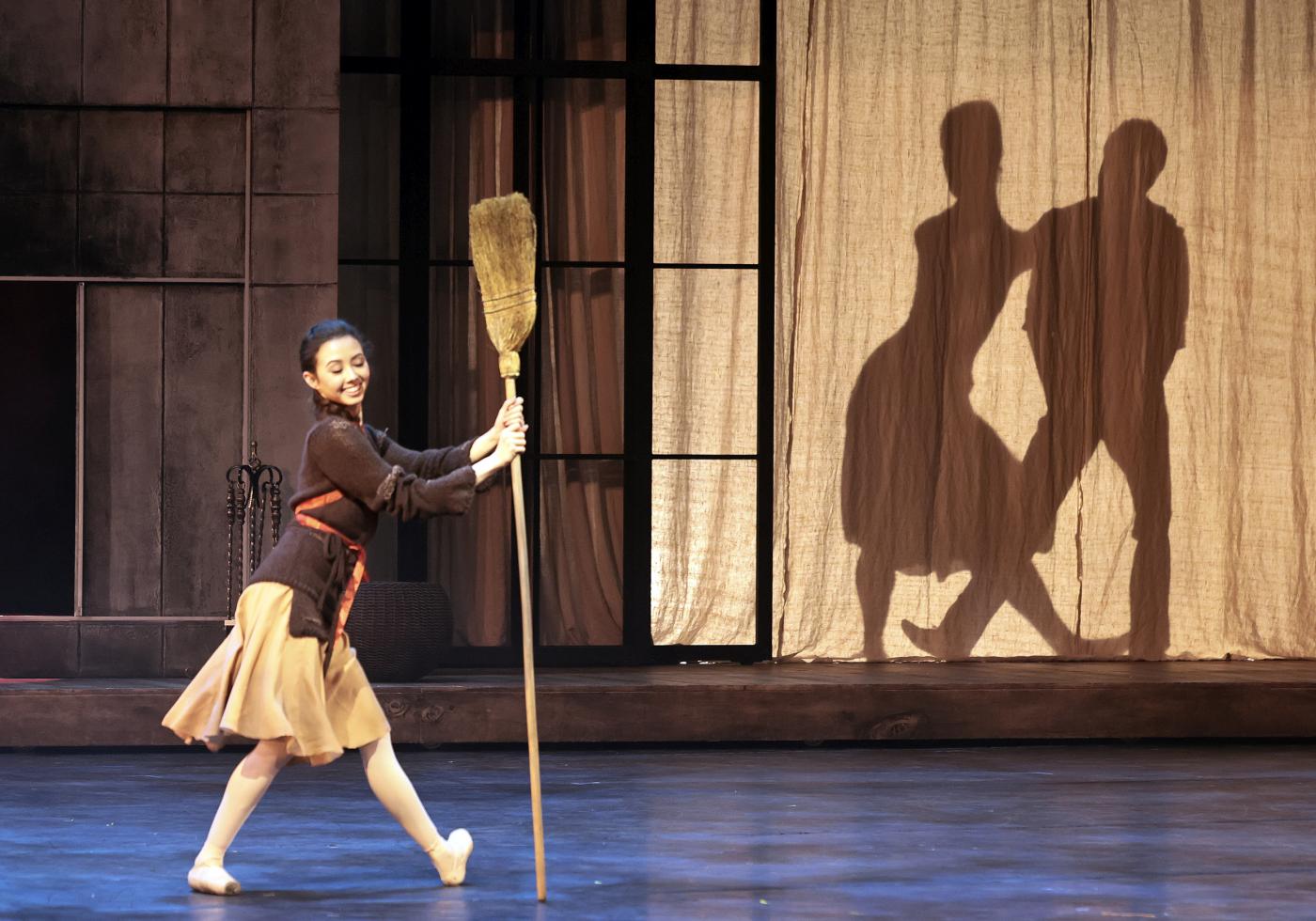
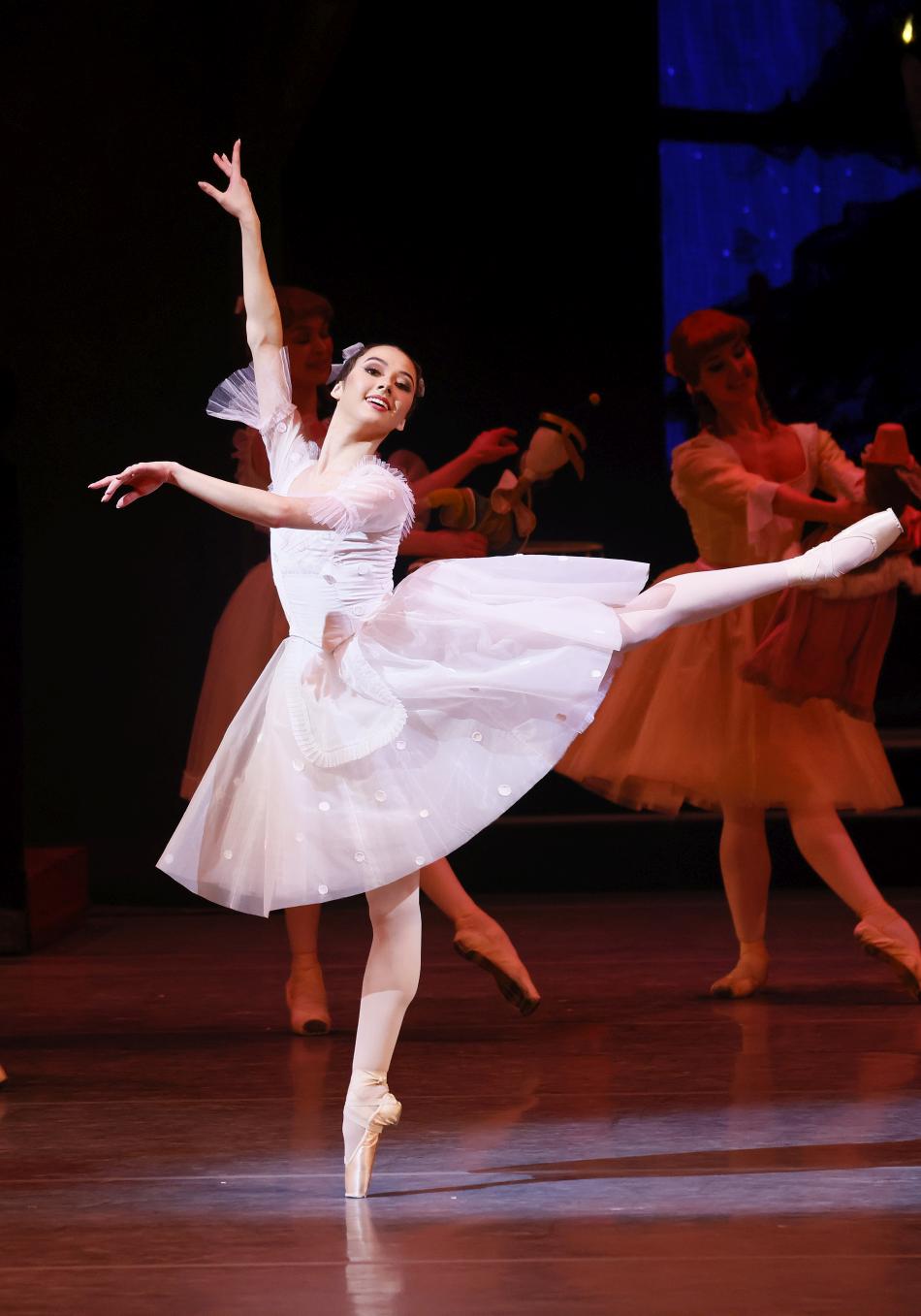
1. E.Kokoreva (Cinderella), “Cinderella” by V.Lopatin, Bolshoi Ballet 2026 © Bolshoi Theatre/D.YusupovOf the two Cinderellas that premiered last May on major Russian stages in celebration of Sergei Prokofiev’s 135th birthday anniversary, I saw Nadezha Kalinina’s version for the Kazan Ballet a few weeks later on video. With some delay, I got to know Vyacheslav Lopatin’s Cinderella for the Bolshoi Ballet last Saturday during the new season’s opening matinee. Lopatin, principal of the company and fledgling ballet master, had never choreographed before. Giving his debut with no less than a full-blown production was due to the artistic director’s, Makhar Vaziev’s, encouragement and support. The outcome isn’t (and realistically couldn’t be) mind-boggling, but it is respectable.

Continue reading “First Time”

Stellar

XV International Ballet Competition—Laureates’ Gala
Bolshoi Theatre
Moscow, Russia
July 05, 2026 (live stream)

by Ilona Landgraf
Copyright © 2026 by Ilona Landgraf

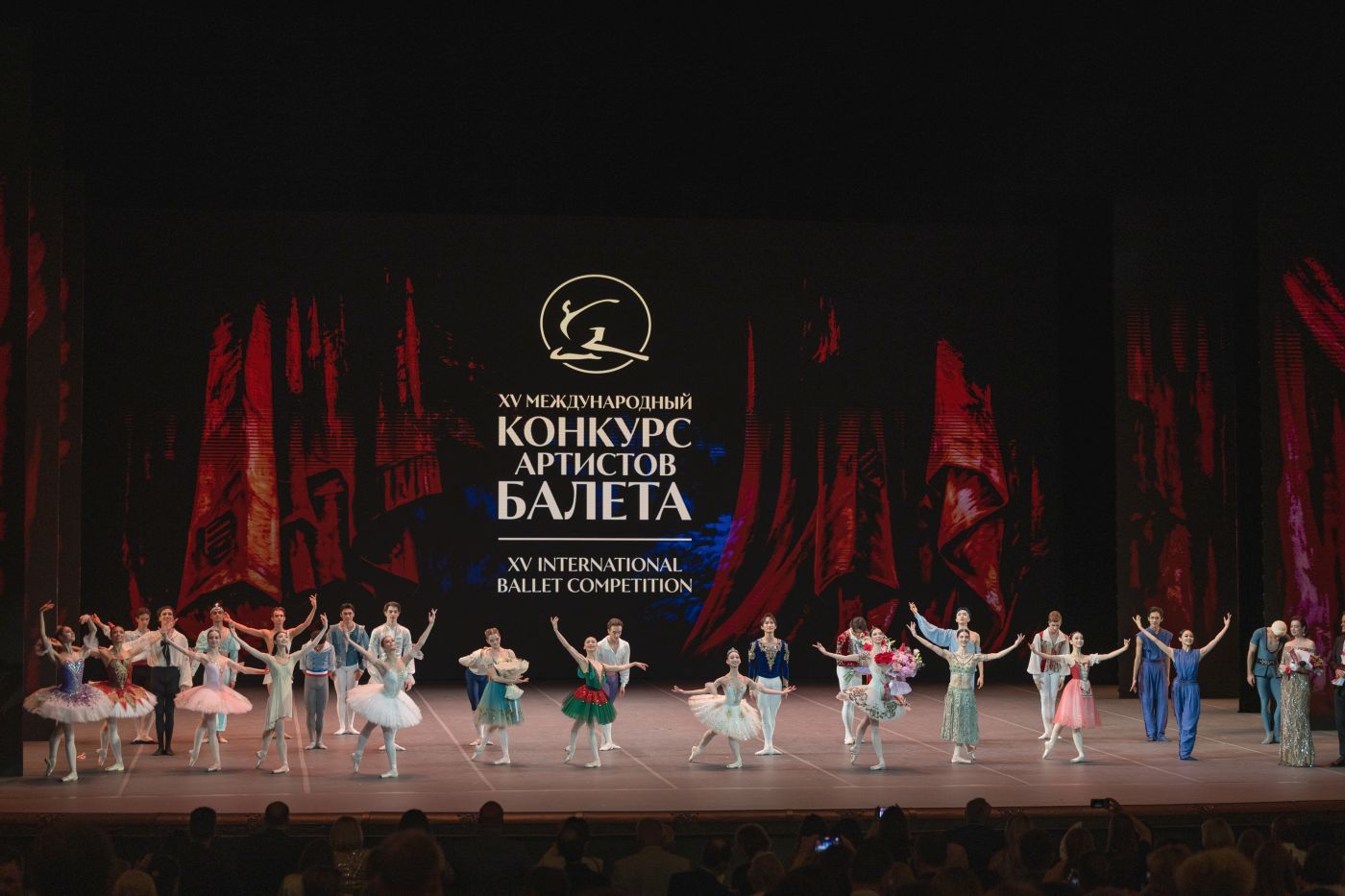
1. Laureates, XV International Ballet Competition 2026, Bolshoi Theatre © Press Center of the International Ballet CompetitionAfter three rounds of competition in ten days, the XV International Ballet Competition’s jury awarded medals, certificates, and diplomas to 50 of 131 contestants. Due to the high standards, discussions to determine the laureates continued late into the night after the final round. A laureates’ gala concert concluded the competition.

Of the seven gold medals, three were awarded to competitors from the USA and the Republic of Korea and one to a Japanese dancer. Russian dancers received seventeen prizes, Chinese six, and Mongolians four. Western Europe wasn’t represented, and only a few dancers from Central Europe scored: the Swede Auguste Marmus (bronze medal men, duet), coryphée and, as of late, Kammertänzer of the Hungarian National Ballet, the Serb Jana Zimonjic (bronze medal women, solo), and the Slovene Vid Vogrin (silver medal boys, duet). What mattered, though, wasn’t nationality but talent. Continue reading “Stellar”

“It is necessary to notice talent and to help it.”

XV International Ballet Competition
Bolshoi Theatre
Moscow, Russia

June 25–July 05, 2026 (live streams)

by Ilona Landgraf
Copyright © 2026 by Ilona Landgraf

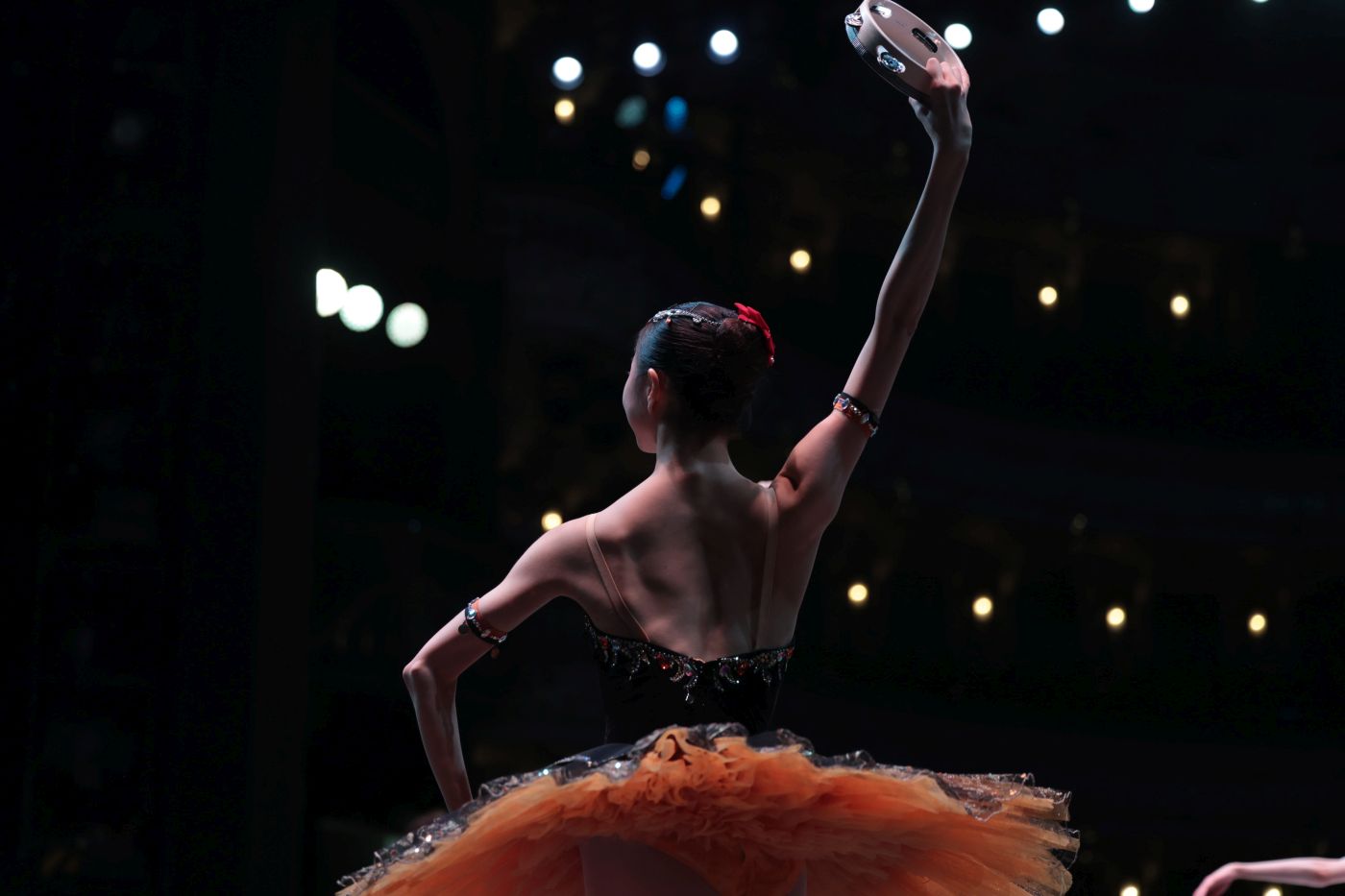
1. Jung Yeonjoo (Republic of Korea), XV International Ballet Competition 2026, Bolshoi Theatre © Press Center of the International Ballet CompetitionLast week, the International Ballet Competition kicked off in Moscow for the fifteenth time since its foundation in 1969. This year, it is dedicated to Yuri Grigorovich (1927–2025), the competition’s artistic director and permanent chairman of the jury for more than half a century. His Legend of Love, performed by the Mariinsky Ballet, opened the competition.

Held every four years, the International Ballet Competition is compared to an Olympic contest in which participation is an honor. This year, a record 362 dancers from thirty-five countries applied, of whom 131 were invited to Moscow. They compete in two age categories—the junior group, ages 15-19 years, and the senior group, ages 20-27 years (many of whom are leading members of a company)—each divided into solo performances and duets. Laureates will emerge from Continue reading ““It is necessary to notice talent and to help it.””

The Benchmark

“Coppélia”
Bolshoi Ballet
Bolshoi Theatre (New Stage)
Moscow, Russia
February 21, 2026 (evening performance)

by Ilona Landgraf
Copyright © 2026 by Ilona Landgraf

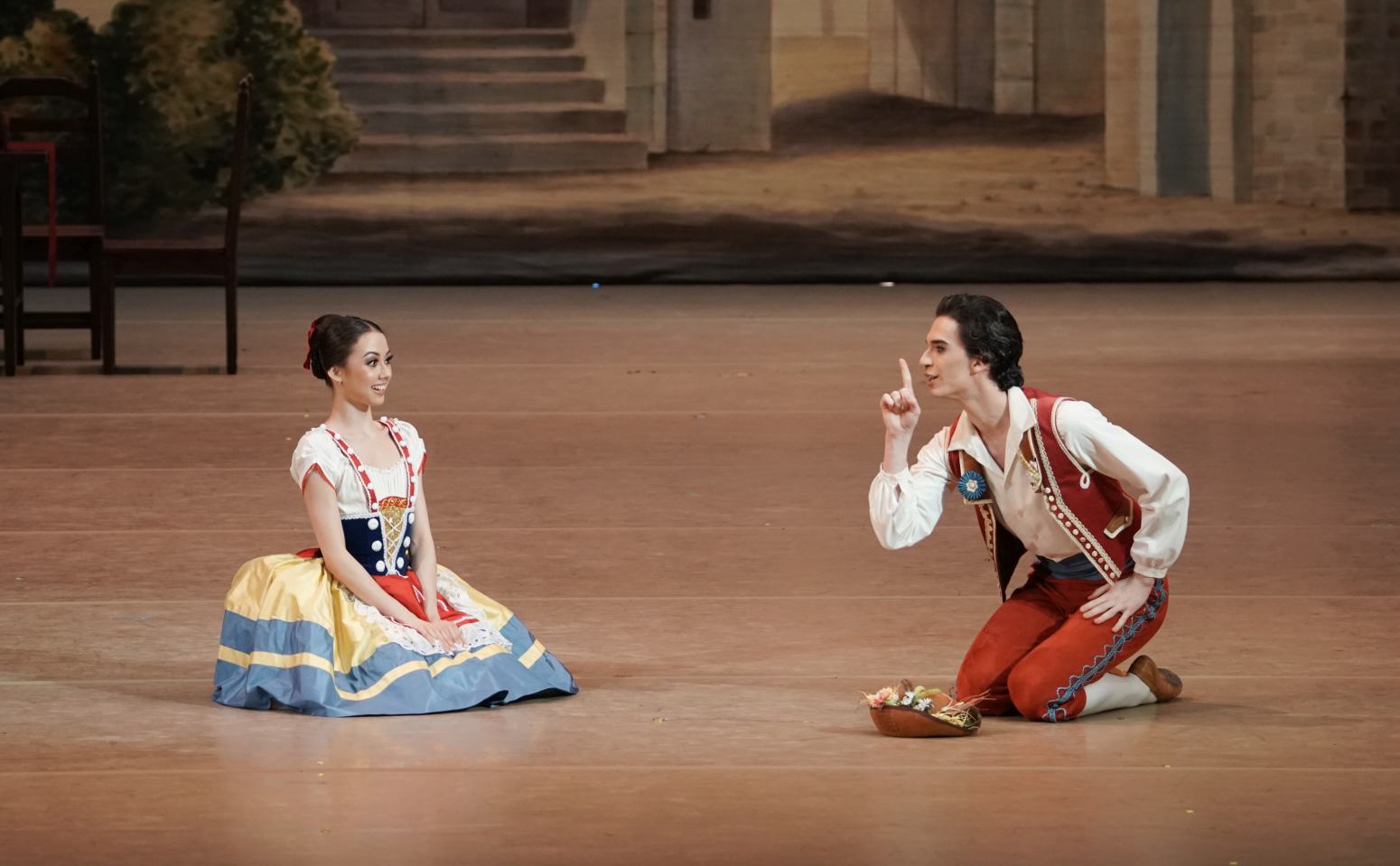
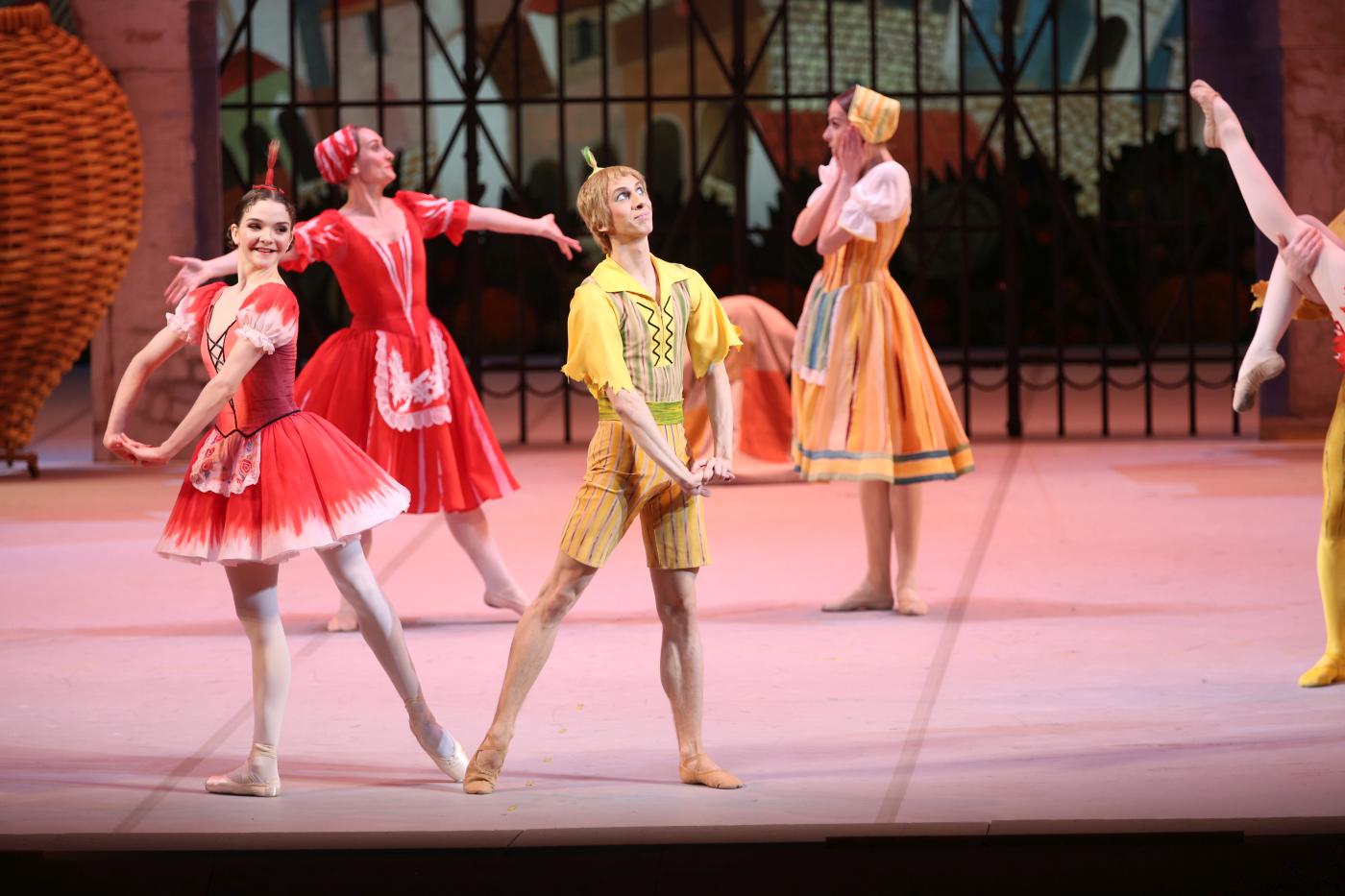
1. E.Kokoreva (Swanilda) and D.Zakharov (Frantz), “Coppélia” by S.Vikharev after M.Petipa and E.Cecchetti, Bolshoi Ballet 2026 © Bolshoi Theatre/P.RychkovMy hopes on a new video release were raised when I noticed the cameraman at the Bolshoi Ballet’s performance of Coppélia, until he explained that the recording was for internal use only. It’ll set the bar high for future generations of dancers.

Sergei Vikharev’s production, which he said is the most complete and exact rendition of what Nicholas Sergeyev noted from his St. Petersburg memories (his manuscripts are stored at Harvard University), has been in the Bolshoi’s repertory since 2009. It preserves all the details that fell victim to artistic, financial, and producing conditions in many Western stagings. Continue reading “The Benchmark”

Someone is in Control

“Master and Margarita”
Bolshoi Ballet
Bolshoi Theatre (New Stage)
Moscow, Russia
February 18/19, 2026

by Ilona Landgraf
Copyright © 2026 by Ilona Landgraf

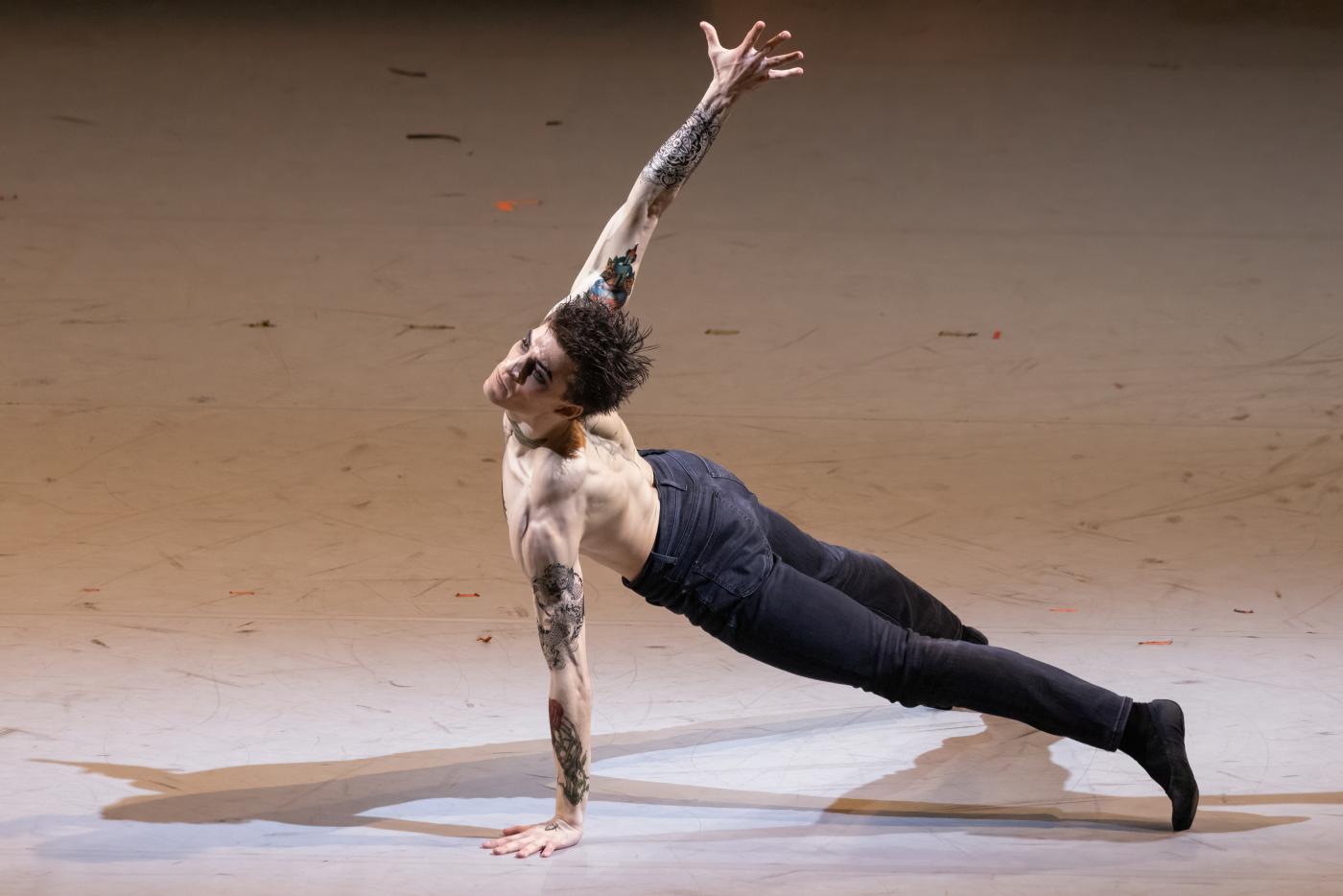
1. I.Tsvirko (Master) and M.Vinogradova (Margarita), “Master and Margarita” by E.Clug, Bolshoi Ballet 2026 © Bolshoi Theatre/D.YusupovAround two years ago, I saw Edward Clug’s ballet adaptation of Mikhail Bulgakov’s novel The Master and Margarita at the Bolshoi Theatre and found it fabulous. Last week’s two performances corroborated my impression. They also reminded me that, however chaotic the world might get, there’s no need to worry; someone is in control. In Clug’s version, it’s the Satan alias Woland and his accomplices. That hell and heaven commonly coordinate their actions went by the board.

Bulgakov intertwined two storylines (one deals with the absurd mayhem caused by Woland and his entourage on a 1930 visit to Moscow, the other is an eyewitness account of the trial of Jesus of Nazareth under Pontius Pilate’s governance), which are connected by the Master (an unrecognized Muskovit author, i.e., Bulgakov’s alter ego) and his muse, Margarita. Continue reading “Someone is in Control”

“I’m a supporter of talented people”

“Marco Spada”
Bolshoi Ballet
Bolshoi Theatre (Historic Stage)
Moscow, Russia
February 15, 2026

by Ilona Landgraf
Copyright © 2026 by Ilona Landgraf

The Bolshoi Ballet has two choreographies by Pierre Lacotte (1932-2023) in its repertory: his recreation of Petipa’s La Fille du Pharaon (which he entrusted to no other company) and Marco Spada, a 1857 ballet d’action for the Paris Opéra by Joseph Mazilier to music by Daniel Auber, which was lost except for a few sketches and reviews. In 1981, Lacotte choreographed and staged it from scratch for the Teatro Dell’Opera di Roma with Rudolf Nureyev in the title role. Despite being peripatetic, Nureyev was so eager to participate in the production that he signed a contract on the tablecloth during a restaurant outing with Lacotte. “I, Rudolf Nureyev, guarantee that for the duration of a month I will attend daily rehearsals in Rome for the ballet Marco Spada,” he wrote.

Continue reading ““I’m a supporter of talented people””

Believe in Miracles

“The Nutcracker. Waiting for a Miracle”
Bolshoi Ballet
Bolshoi Theatre
Moscow, Russia
December 29, 2025 (documentary)

by Ilona Landgraf
Copyright © 2026 by Ilona Landgraf

1. E.Kokoreva (Marie), D.Savin (Drosselmeier), and ensemble, “The Nutcracker” by Y.Grigorovich, Bolshoi Ballet 2025 © Bolshoi Theatre/D.YusupovOf the many special moments in Yuri Grigorovich’s The Nutcracker, there’s one you shouldn’t miss: when the Christmas tree is growing, and Marie’s transformation takes place. Then you need to make a wish. At least, that’s the insiders’ tip from the Bolshoi Ballet’s artists involved in the production.

Grigorovich’s The Nutcracker premiered at the Bolshoi Theatre in 1966 and was performed for the eight hundredth time earlier in December. Perhaps that’s why the Russian Channel One broadcast a one-hour documentary about The Nutcracker at the end of December. The film outlines the plot, provides insight into the music, set, and costumes, and looks at sixty years of performance history, during which nothing changed. Numerous coaches and ballet masters guarantee that Grigorovich’s legacy is preserved and kept alive. Continue reading “Believe in Miracles”

“We Need Him”

“Diaghilev”
Dancers of the Bolshoi Ballet
Bolshoi Theatre (New Stage)
Moscow, Russia
June 24, 2025 (video)

by Ilona Landgraf
Copyright © 2025 by Ilona Landgraf

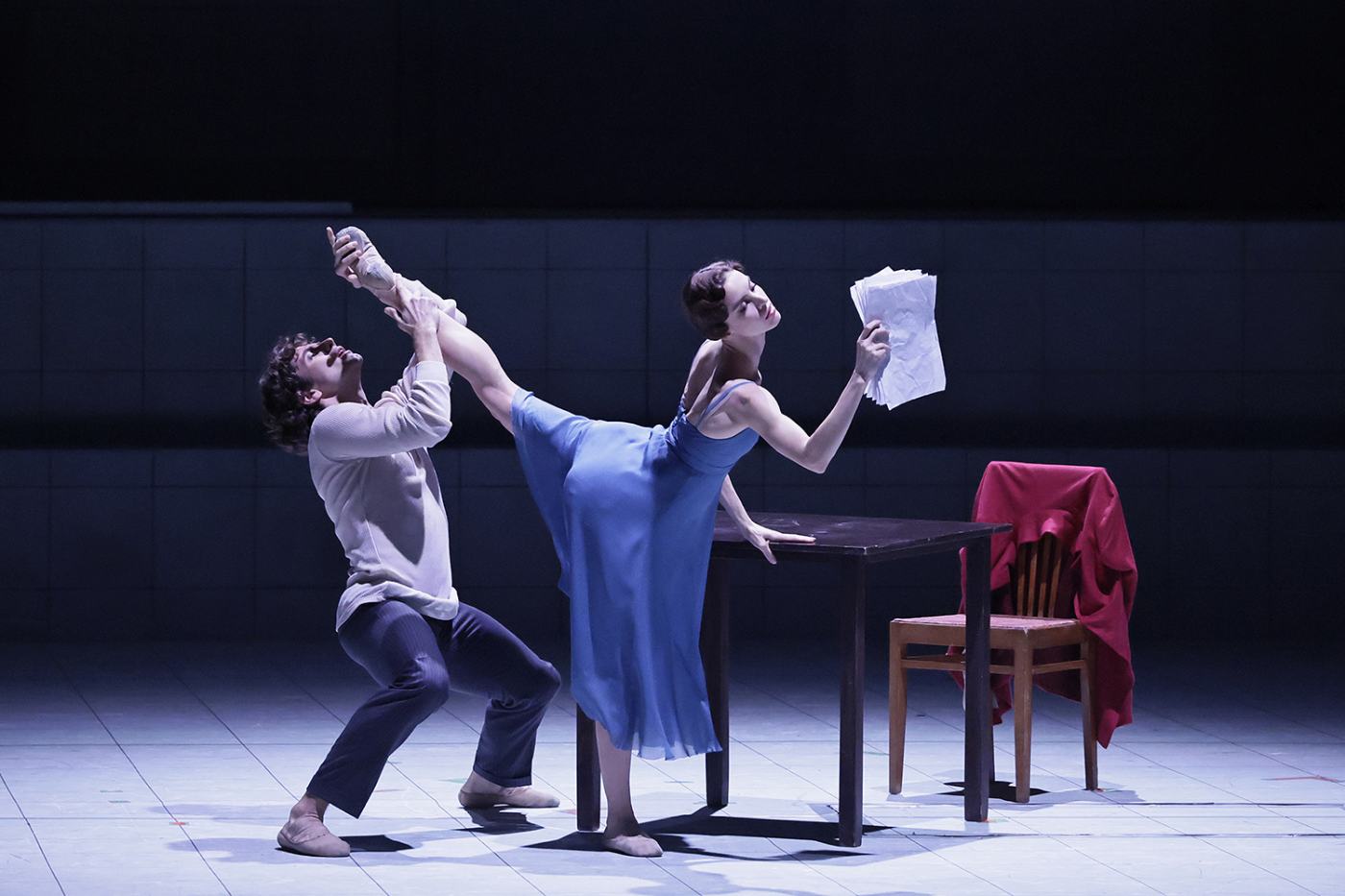
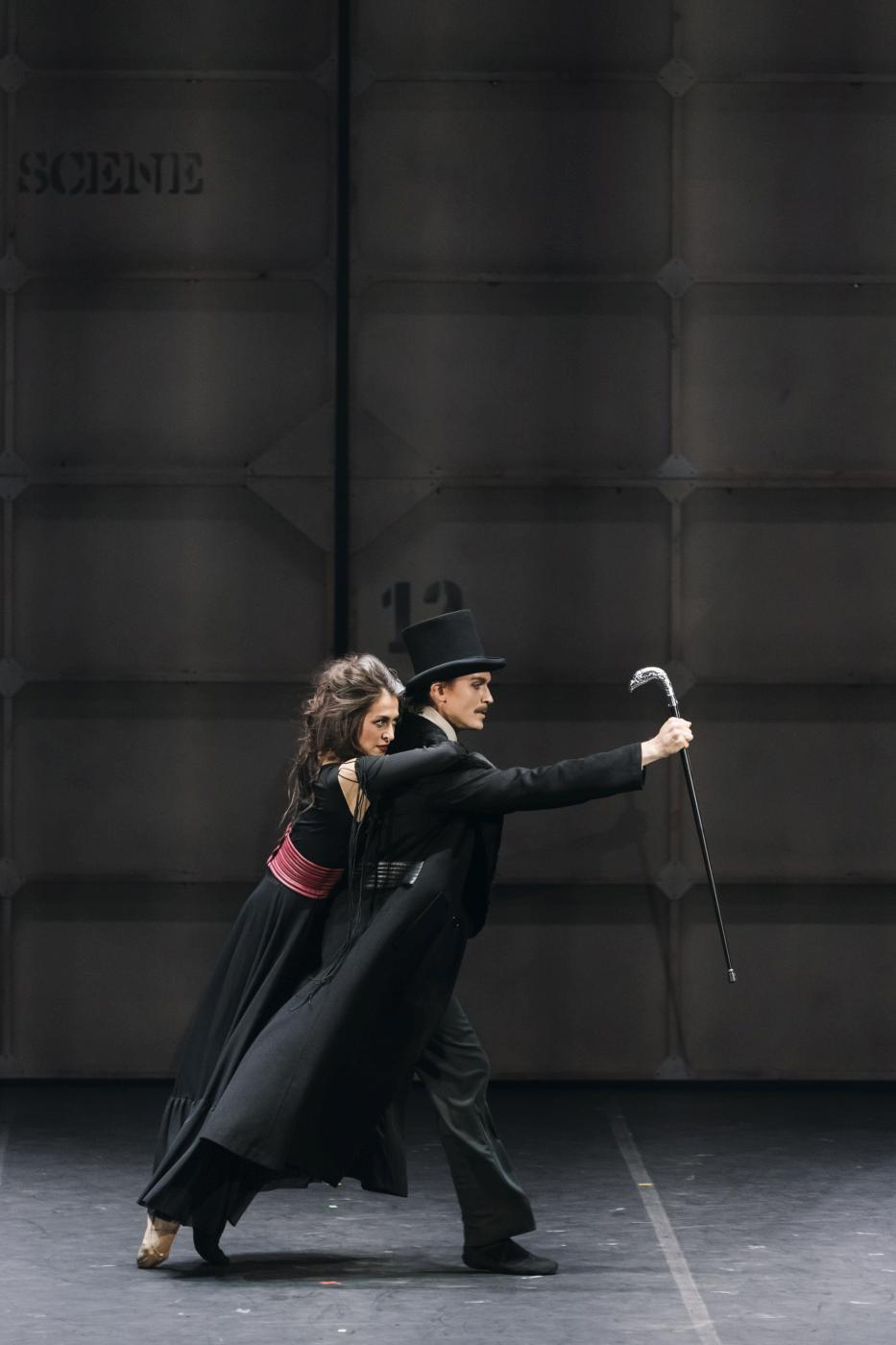
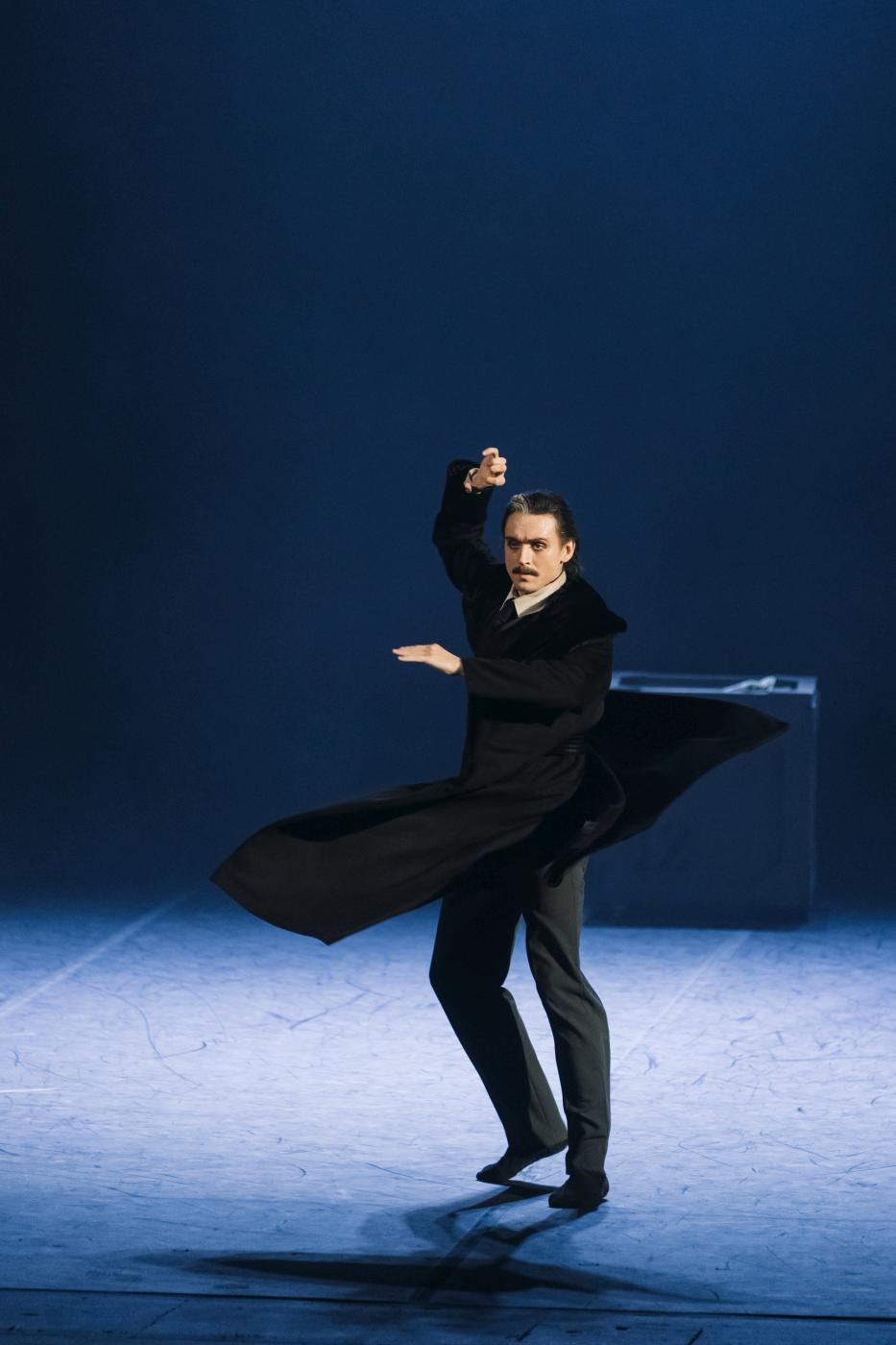
1. A.Meskova (Gypsy Woman) and D.Rodkin (Sergei Diaghilev), “Diaghilev” by A.Kaggedzhi, Dancers of the Bolshoi Ballet 2025 © G.Galantnyi  2. D.Rodkin (Sergei Diaghilev), “Diaghilev” by A.Kaggedzhi, Dancers of the Bolshoi Ballet 2025 © G.Galantnyi  The man in need whom Sergei Lifar wrote about in 1939 was Sergei Diaghilev (1872-1929), impresario of the Ballets Russes and a revolutionist of ballet. Diaghilev’s burning passion to discover and promote creative beauty is unequaled. He shaped the perception of Russian culture in the West and, like a virus, changed the DNA of twentieth-century art. Without him, Vaslav Nijinsky, Tamara Karsavina, Ida Rubinstein, Feodor Chaliapin, and Igor Stravinsky wouldn’t have become known to the world, and the careers of choreographers, such as Michel Fokine, Bronislava Nijinska, Léonide Massine, and George Balanchine, might have taken another path. Ten years after Diaghilev’s death, no one had filled the void he had left behind.

Ninety-six years later, a new Diaghilev has yet to be found, but—as Russia and the West separated again—the need for a bridge-building spirit and culture that unites people across borders is more pressing than ever. That’s why Russia launched the cultural search festival We Need Diaghilev last year, which features various expositions, lectures, and performances at Russian and foreign venues. Continue reading ““We Need Him””

Prix Benois Laureates 2025

Prix Benois de la Danse
Bolshoi Theatre (Historic Stage)
Moscow, Russia
June 17, 2025

by Ilona Landgraf
Copyright © 2025 by Ilona Landgraf

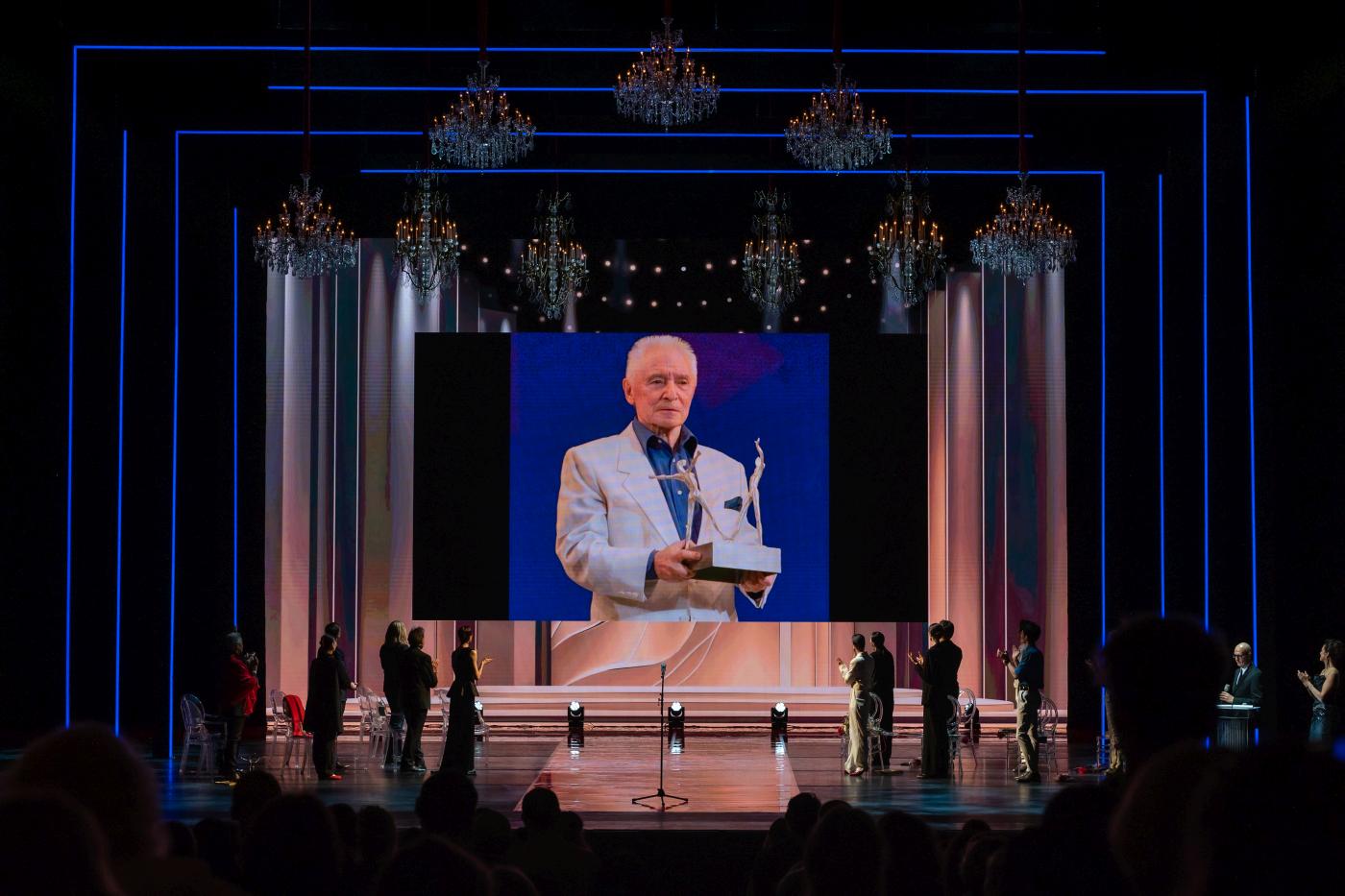
1. Y.Grigorovich, Prix Benois Award Ceremony, Bolshoi Theatre 2025 © B.AnnadurdyevYesterday evening, the Prix Benois laureates were announced on the Bolshoi Theatre’s historic stage for the 33rd time.

Mthuthuzeli November won the prize for best choreography in absentia for Chapter Two, a creation for Cape Ballet Africa in South Africa. The Mariinsky Ballet’s Renata Shakirova won the best female dancer prize for her performance as Swanilda in Alexander Sergeev’s new Coppélia. Like last year, the prize for the best male dancer was awarded twice. Joshua Williams received the Prix Benois for his performance in November’s Chapter Two; Dmitry Smilevsky (Bolshoi Ballet) was awarded for his performances as Mercutio in Leonid Lavrovsky’s version of Romeo and Juliet and Prince Désiré in Yuri Grigorovich’s version of The Sleeping Beauty. Continue reading “Prix Benois Laureates 2025”

Dancer Nominees for the Prix Benois 2025

Prix Benois de la Danse
Bolshoi Theatre (Historic Stage)
Moscow, Russia
June 2025

by Ilona Landgraf
Copyright © 2025 by Ilona Landgraf

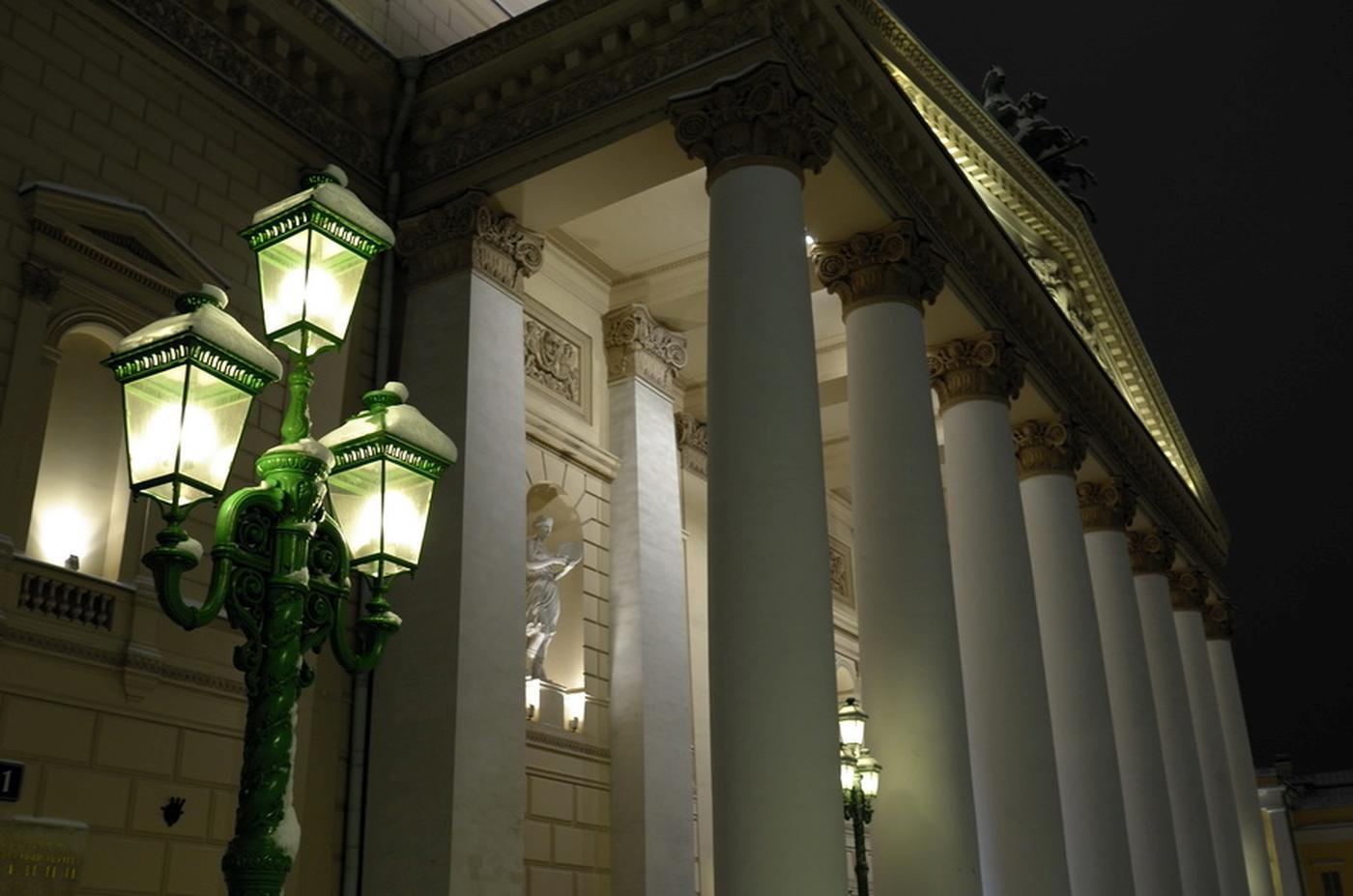
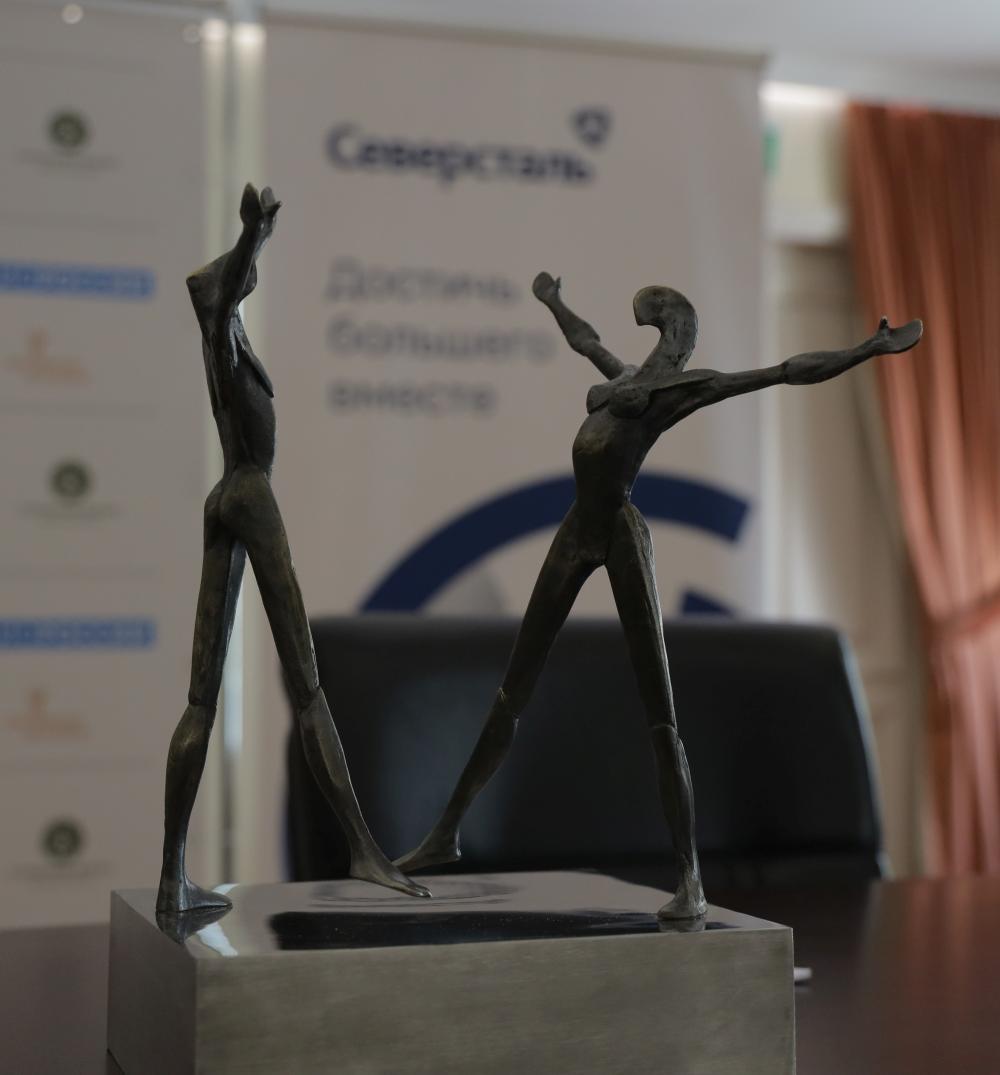
1. Bolshoi Theatre © Bolshoi Theatre/D.Yusupov2. Statuette of the Prix Benois de la Danse, design by I.Ustinov © Benois Center As in 2024, the Prix Benois jury nominated thirteen dancers from eight companies for this season’s award. Of the six women and seven men, two dance in China, France, and South Africa; one dances in Kazakhstan; and six, Russia. Next Tuesday, the laureates will be announced at an award ceremony at the Bolshoi Theatre, Moscow.

Here’s a short overview of the nominees in alphabetical order by company name: Continue reading “Dancer Nominees for the Prix Benois 2025”

Full of Spirits

“The Tempest”
Bolshoi Ballet
Bolshoi Theatre (New Stage)
Moscow, Russia
April 22, 2025

by Ilona Landgraf
Copyright © 2025 by Ilona Landgraf

1. D.Savin (Prospero), “The Tempest” by V.Samodurov, Bolshoi Ballet 2025 © Bolshoi Theatre/E.Fetisova For his latest choreography for the Bolshoi Ballet in 2024—The Tempest (after Shakespeare’s play)—Vyacheslav Samodurov again teamed up with composer Yuri Krasavin. Both had already collaborated on the one-act ballet Dancemania in 2022. This time, their cooperation must have been tempestuous. “Vyacheslav Samodurov and I did not get along right away…I still see this play completely different,” Krasavin stated in an interview. While Krasavin believed that he accompanied rather than led the artistic process, for Samodurov, “Music comes always first and the composer is the boss in many ways.” But whoever was the boss, the score (played by the Bolshoi Orchestra under the baton of Pavel Klinichev) was mesmerizing. Continue reading “Full of Spirits”

Brimful

“Cipollino”
Bolshoi Ballet
Bolshoi Theatre (New Stage)
Moscow, Russia
March 08, 2025 (matinee and evening performance)

by Ilona Landgraf
Copyright © 2025 by Ilona Landgraf

 1. S.Maymula (Little Radish), I.Sorokin (Cipollino), A.Vinokur (Mother Radish), and E.Besedina (Mother Cipolla), “Cipollino” by G.Mayorov, Bolshoi Ballet 2025 © Bolshoi Theatre/E.FetisovaThe boy Cippolino (Little Onion), the hero of Gianni Rodari’s 1957 children’s book Adventures of Cipollino, enjoyed an international career. He was especially popular in eastern countries and a famous cartoon and film figure in the Soviet Union. A ballet adaption by Genrikh Mayorov (1936-2022) entered the Bolshoi Ballet’s repertory three years after its Kiev premiere. Cipollino was revived at the Bolshoi earlier this season and still attracts crowds. Though a children’s fairy tale, adults can appreciate the production, especially when danced at top quality. I saw a matinee attended primarily by children and their parents as well as a sold-out evening performance.

The young Cipollino and his family are members of jovial townsfolk who are anthropomorphic fruits and vegetables—Cobbler Grape, Professor Pear, Godfather Pumpkin, and the Radish family, whose daughter, Little Radish, becomes Cipollino’s best buddy. They’re ruled by the high-handed, eccentric Prince Lemon whose court includes an acerbic guard, ludicrous knights, and the two overexcited Countesses Cherry. Continue reading “Brimful”

Dreams versus Reality

“The Seagull”
Bolshoi Ballet
Bolshoi Theatre (New Stage)
Moscow, Russia
March 06, 2025

by Ilona Landgraf
Copyright © 2025 by Ilona Landgraf

1. A.Putintsev (Konstantin Treplev), “The Seagull” by Y.Possokhov, Bolshoi Ballet 2025 © Bolshoi Theatre/M.Logvinov Almost four years after its premiere in summer 2021, I finally saw Yuri Possokhov’s The Seagull at the Bolshoi Theatre. It was his sixth creation for the company (his seventh and latest, The Queen of Spades, premiered in 2023), and the fourth time, he teamed up with composer Ilya Demutsky. The artistic team included costume designer Emma Ryott (a longstanding collaborator of choreographer Christian Spuck) and set designer Tom Pye (who also created the designs for Possokhov’s Anna Karenina). David Finn contributed the lighting, Sergei Rylko the video design.

Chekhov’s The Seagull is labeled as a comedy, but its humor is bitter at best. Not a single protagonist leads a fulfilled life. Everybody runs after a dream world or tries to construct their realities. Family relationships are strained, and love is unrequited, quickly exhausted, or phony. Possokhov’s interpretation throws more light on some characters, and less on others, and differs in some respects from the original. Irina Arkadina (Kristina Kretova)—an actress in Chekhov’s version, a renowned ballerina in Possokhov’s—is not merely a fashionable yet greedy diva and dysfunctional mother. She shows her empathetic side when she recalls childhood memories with her elderly brother, Pyotr Sorin (Mikhail Lobukhin), whose unrealized dreams of marriage and artistic career Possokhov omitted. Like in the text, events largely unfolded at Sorin’s country estate. Continue reading “Dreams versus Reality”

The Hub

“The Nutcracker”
Bolshoi Ballet
Bolshoi Theatre
Moscow, Russia
December 31, 2024 (live stream)

by Ilona Landgraf
Copyright © 2025 by Ilona Landgraf

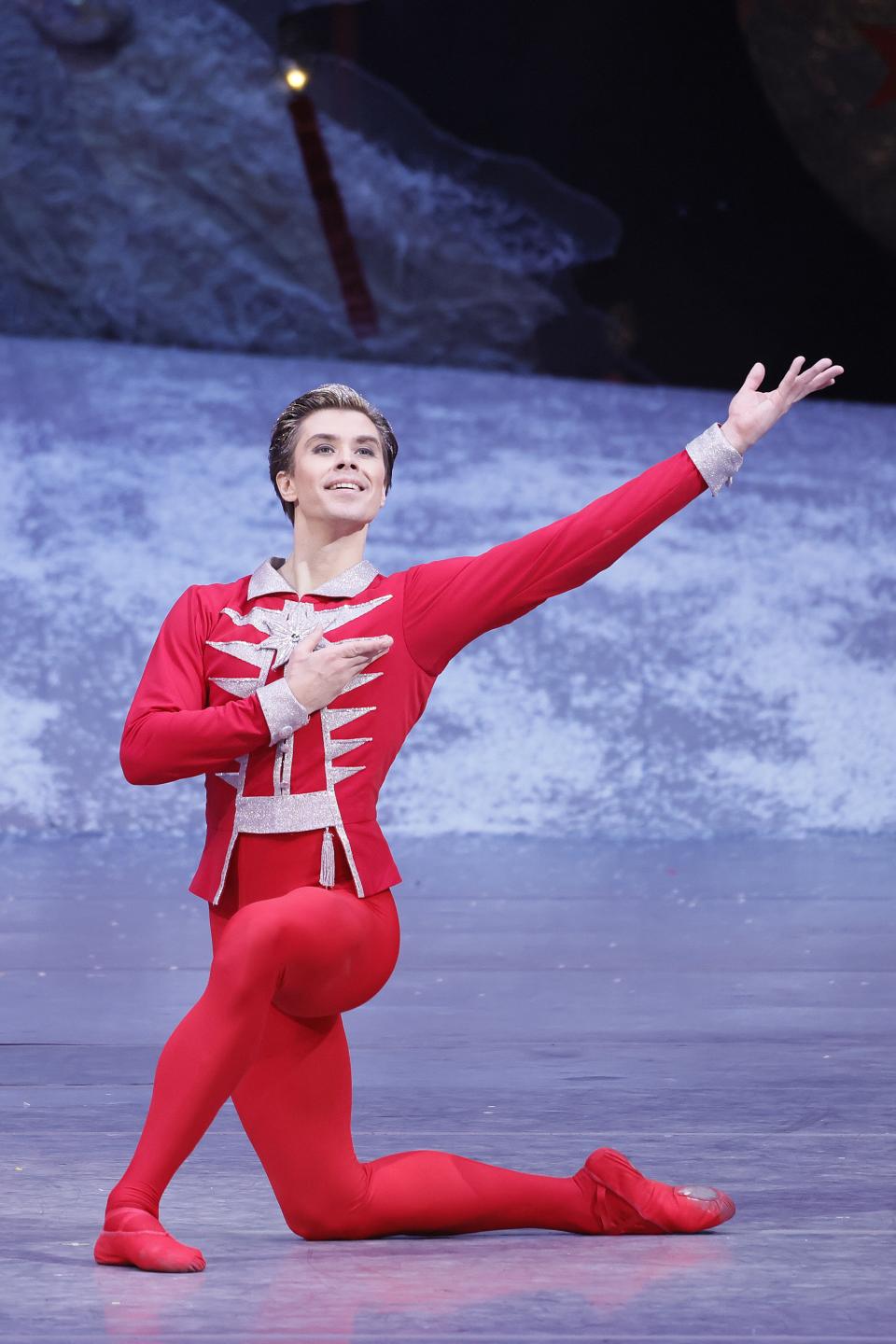
1. E.Kokoreva (Marie) and ensemble, “The Nutcracker” by Y.Grigorovich, Bolshoi Ballet 2024 © Bolshoi Ballet/D.Yusupov2. A.Ovcharenko (Nutcracker Prince), “The Nutcracker” by Y.Grigorovich, Bolshoi Ballet 2024 © Bolshoi Ballet/D.Yusupov During this year’s Christmas sermon, my pastor asked which moment should best represent Christmas. The Christmas dinner? The lighting of the candles? Or, perhaps, unwrapping the presents? For me, this moment was the moment during the Bolshoi Ballet’s performance of The Nutcracker when the newlywed Marie (Elizaveta Kokoreva) and the Nutcracker Prince (Artem Ovcharenko) were lifted by their court toward the star at the top of the Christmas tree. It was the climax of their spiritual journey and of Yuri Grigorovich’s choreography for which I had been waiting since I last saw his Nutcracker live in Moscow in 2022.

Two live streams on December 30th (evening performance) and December 31st (matinee) enabled a vast audience to follow the heroes’ journey. To meet the demand, the number of cinemas offering live broadcasts grew from one hundred to three hundred in December. Most were located in Russia, but cinemas in Belarus, Armenia, and the United Arab Emirates also participated. I was able to watch the matinee on the Bolshoi’s vk video platform. Continue reading “The Hub”