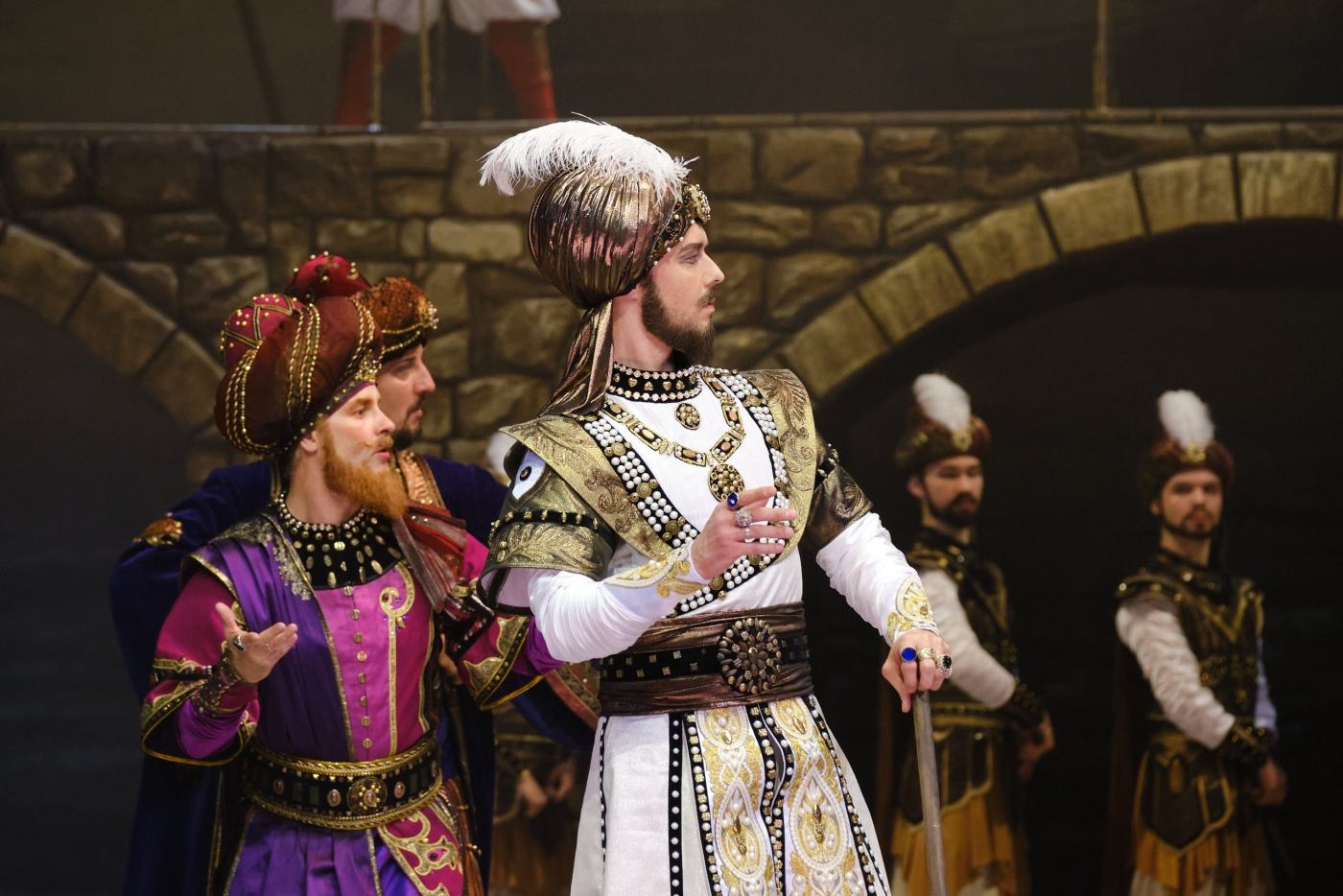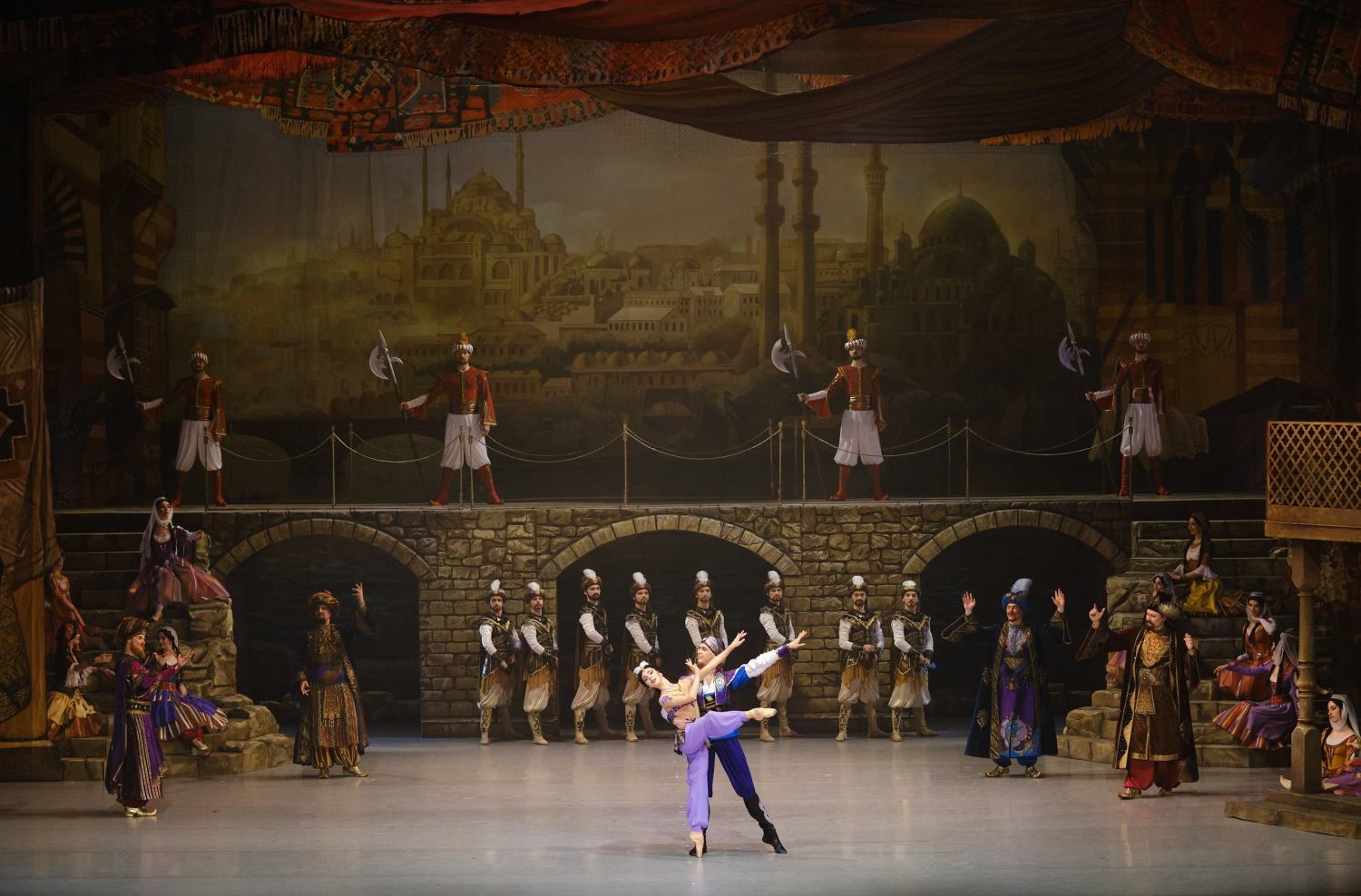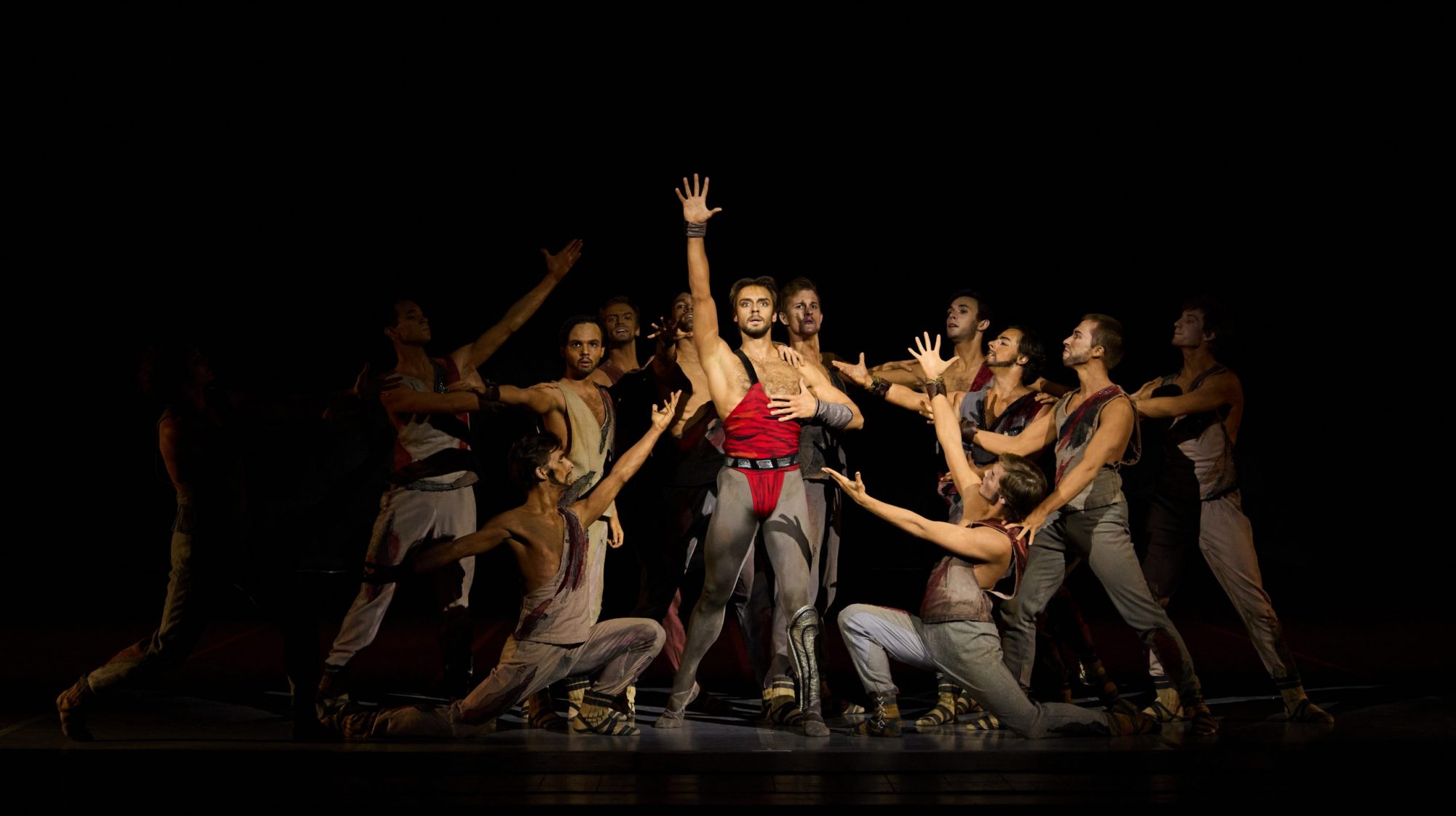
“Pushkin”
Ballet of the Krasnoyarsk State Opera and Ballet Theatre
Hvorostovsky Krasnoyarsk State Opera and Ballet Theatre
Krasnoyarsk, Russia
March 15, 2026 (video)
by Ilona Landgraf
Copyright © 2026 by Ilona Landgraf
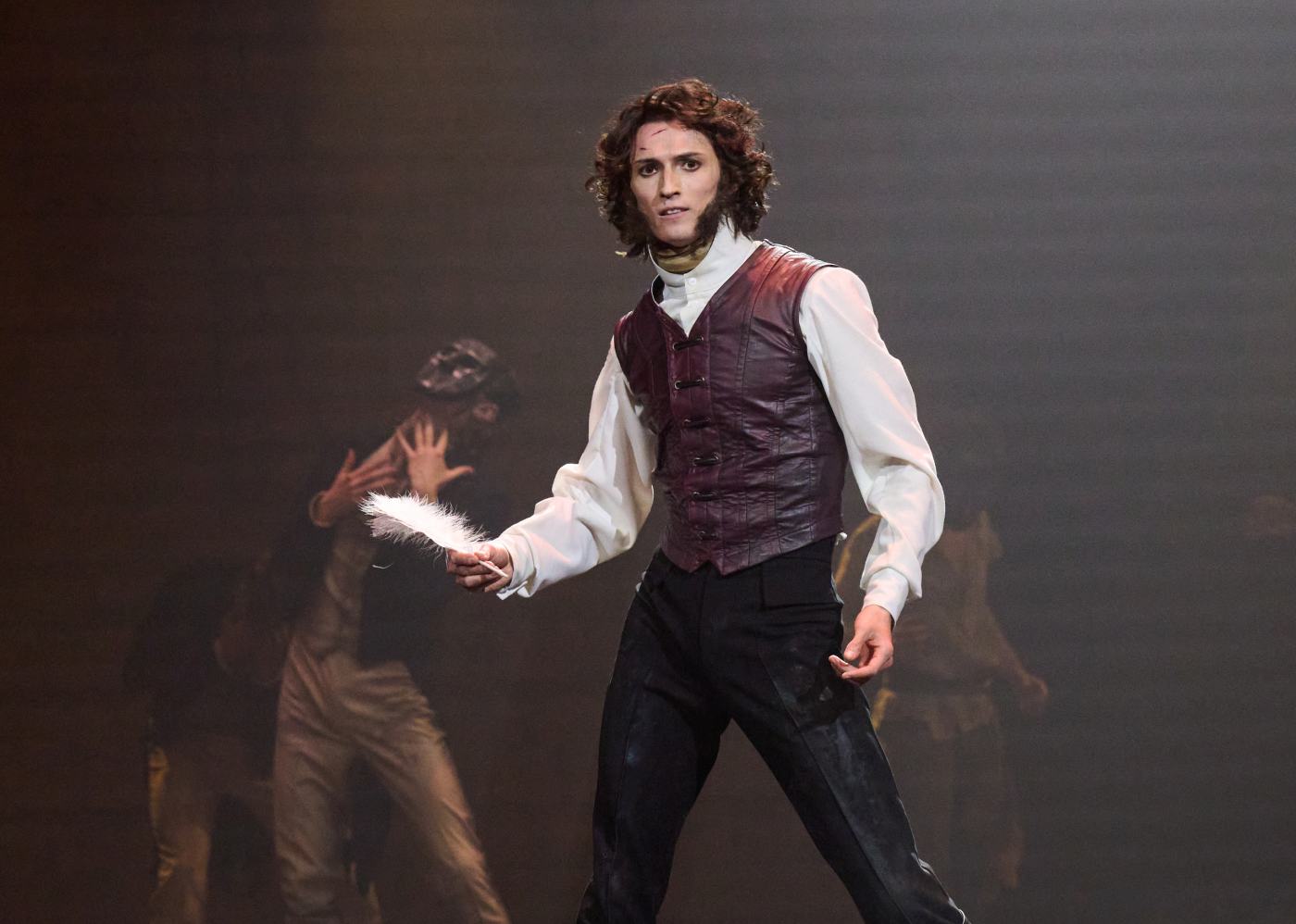 Three years after Catharsis Dante, the Moscow-based choreographer Nikita Dmitrievsky created a second piece, Pushkin, for the Krasnoyarsk Ballet. Its two densely pact acts deal with Russia’s literary hero, Alexander Pushkin (1799-1837), and his inner life and spiritual being. Except for the music, which is by Konstantin Borosov (his first ballet composition), Dmitrievsky was in charge of the entire production (i.e., the choreography, libretto, lighting, and set, costume, and video design). I had the opportunity to watch a video of the premiere, which took place on March 15th.
As the libretto comprises no fewer than twenty-seven scenes, becoming familiar with the synopsis in advance is highly recommended. Continue reading “A Man of Mystery”