Traumata

“Planida” (“Russian Character”/“Nerve”/“Francesca da Rimini”)
MuzArts
Maly Theatre/Alexandrinsky Theatre
Moscow/St. Petersburg, Russia
September/November 2025 (video)

by Ilona Landgraf
Copyright © 2026 by Ilona Landgraf
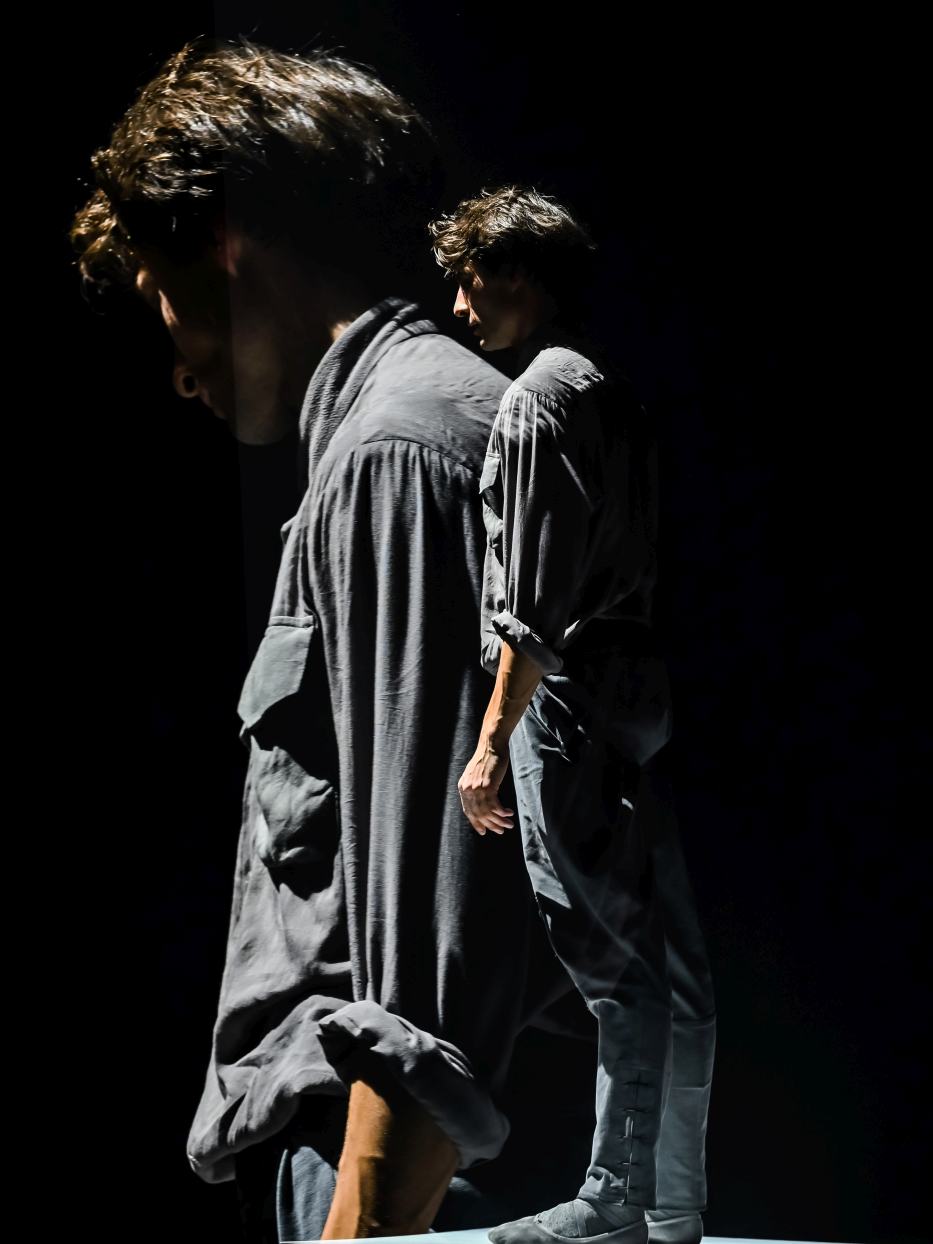
1. A.Putintsev (Yegor Dryomov), “Russian Character” by P.Glukhov, MuzArts 2026 © MuzArts/B.Annadurdiev2. A.Putintsev (Yegor Dryomov), “Russian Character” by P.Glukhov, MuzArts 2026 © MuzArts/B.Annadurdiev Tomorrow, MuzArts’ triple bill Planida returns to Moscow’s Maly Theatre where it premiered in September 2025. It combines two old pieces—Nerve by Anna Shchekleina and Francesca da Rimini by Yuri Possokhov—along with Russian Character, a then-new creation by Pavel Glukhov. As in previous productions, dancers of the Bolshoi Ballet will be on stage. Thanks to MuzArts’ executive producer, Daria Faezova, I was able to watch videos of the program recorded at the Maly Theatre and St. Petersburg’s Alexandrinsky Theatre.


All three pieces deal with the concept of “Planida,” the predetermined course of life that is realized regardless of human action. Planida is roughly synonymous with fate, but while fate refers to unfolding events, Planida focuses on final results.

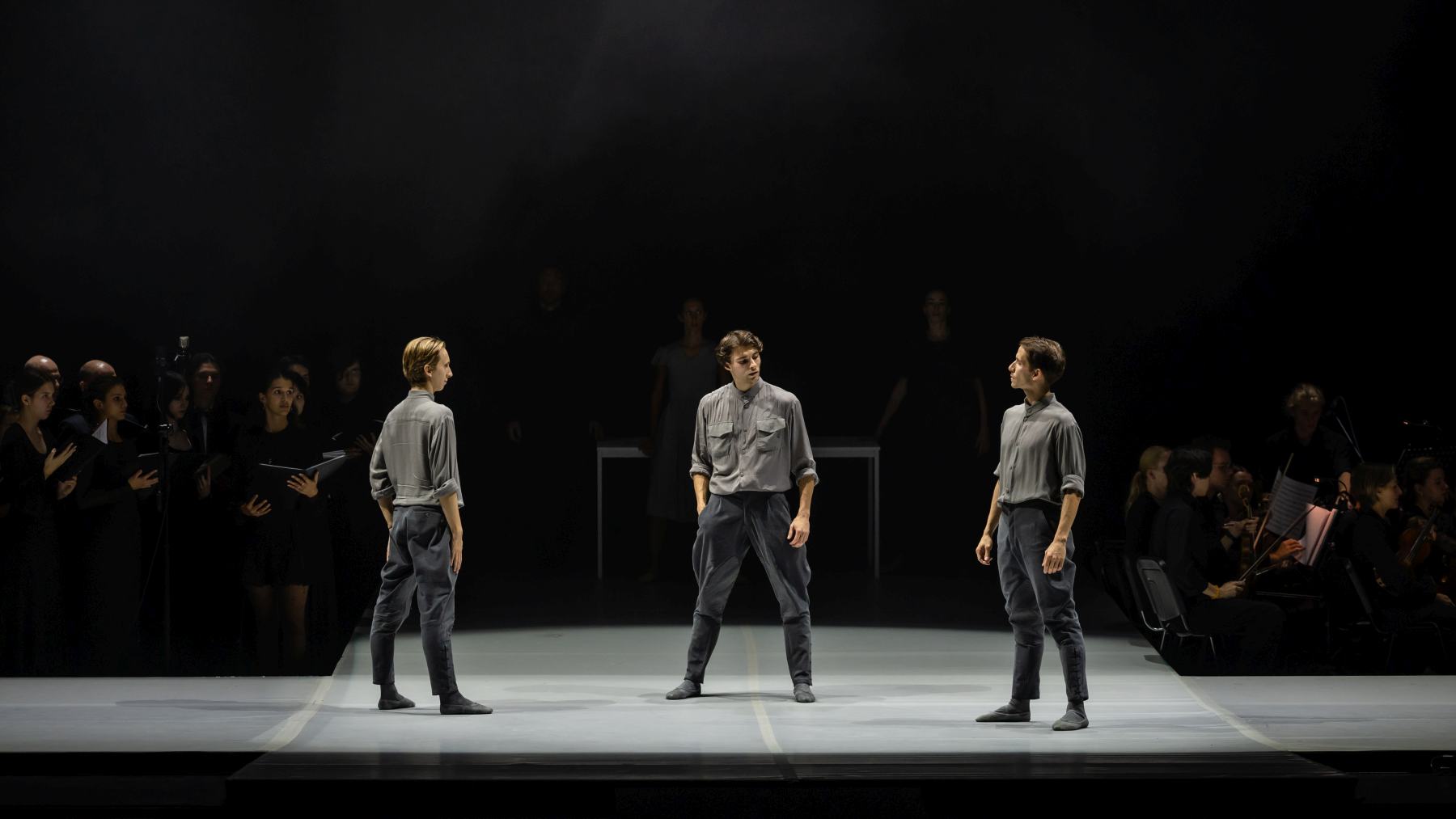
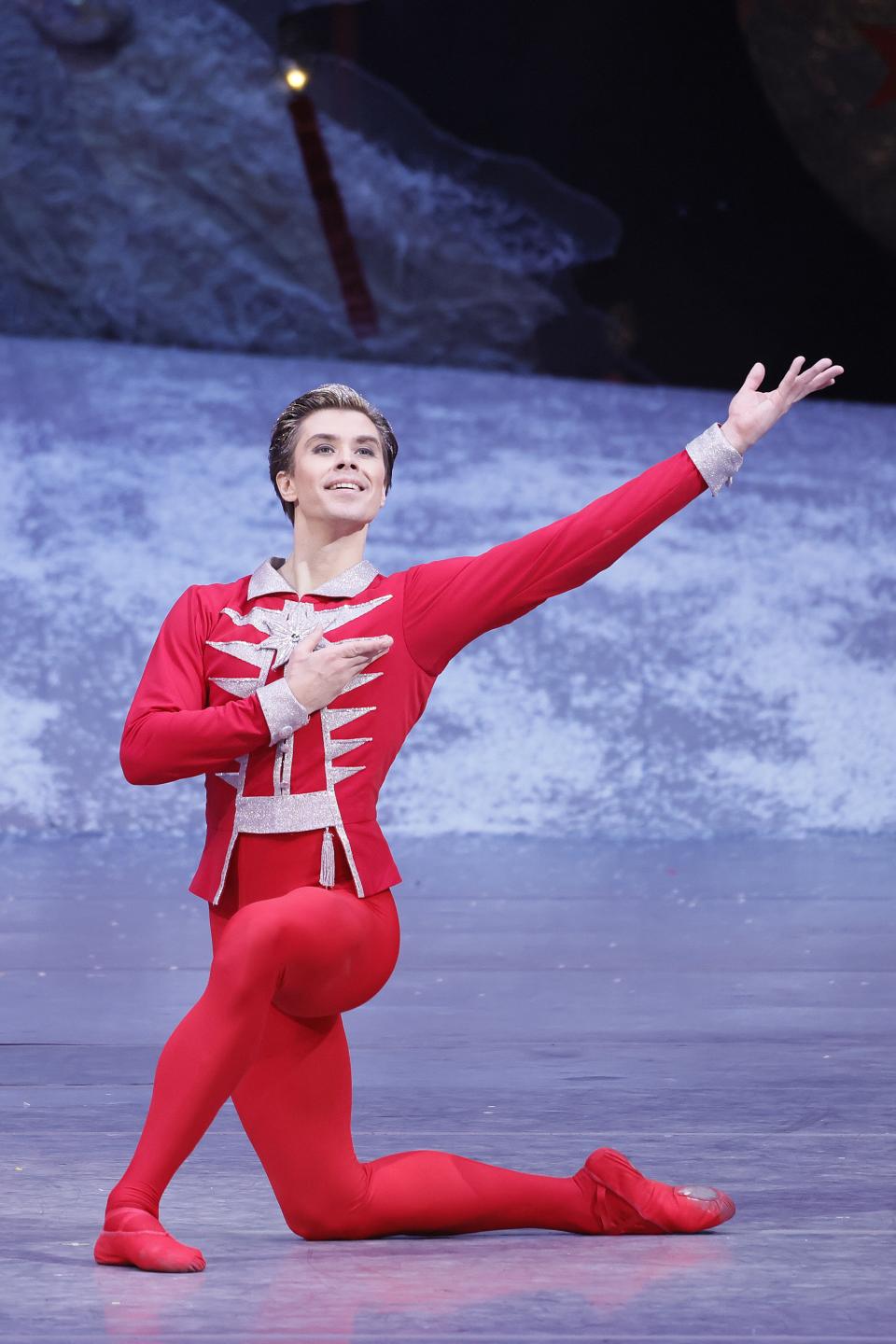
4. G.Gusev (Yegor`s comrade), A.Putintsev (Yegor Dryomov), and P.Sorokin (Yegor’s comrade); “Russian Character” by P.Glukhov, MuzArts 2026 © MuzArts/B.Annadurdiev3. E.Kokoreva (Katya Malysheva), E.Krysanova (Maria Polikarpovna), A.Putintsev (Yegor Dryomov), and M.Lobukhin (Yegor Egorovich); “Russian Character” by P.Glukhov, MuzArts 2026 © MuzArts/B.Annadurdiev Glukhov’s Russian Character is based on Alexei Tolstoy’s eponymous war story and is dedicated to the heroism and fortitude of the Soviet people during the Great Patriotic War. It premiered last year for the eightieth anniversary of the war’s end. The hero of Tolstoy’s story is the young tanker, Yegor Dryomov, whose face was badly burnt when his tank was knocked out at the Battle of Kursk. On recovery leave at home, he visits his parents but does not dare to frighten them. Instead, he pretends to be their son’s friend. Internally, however, he hopes that they will recognize him anyway.

5. G.Gusev (Yegor`s comrade) and A.Putintsev (Yegor Dryomov), “Russian Character” by P.Glukhov, MuzArts 2026 © MuzArts/B.Annadurdiev6. Ensemble, “Russian Character” by P.Glukhov, MuzArts 2026 © MuzArts/B.AnnadurdievBut they say nothing, though his mother senses the deception. The meeting with Yegor’s beautiful bride, Katya Malysheva, is even more painful. She not only fails to identify him but also staggers back at the sight of his disfigured face. Resolved to bury his feelings, Yegor returns to his comrades at the frontline. There, he receives a letter from his mother asking for the truth. Yegor confesses his deceit and begs for forgiveness. His mother and bride visit him later, and all ends well.

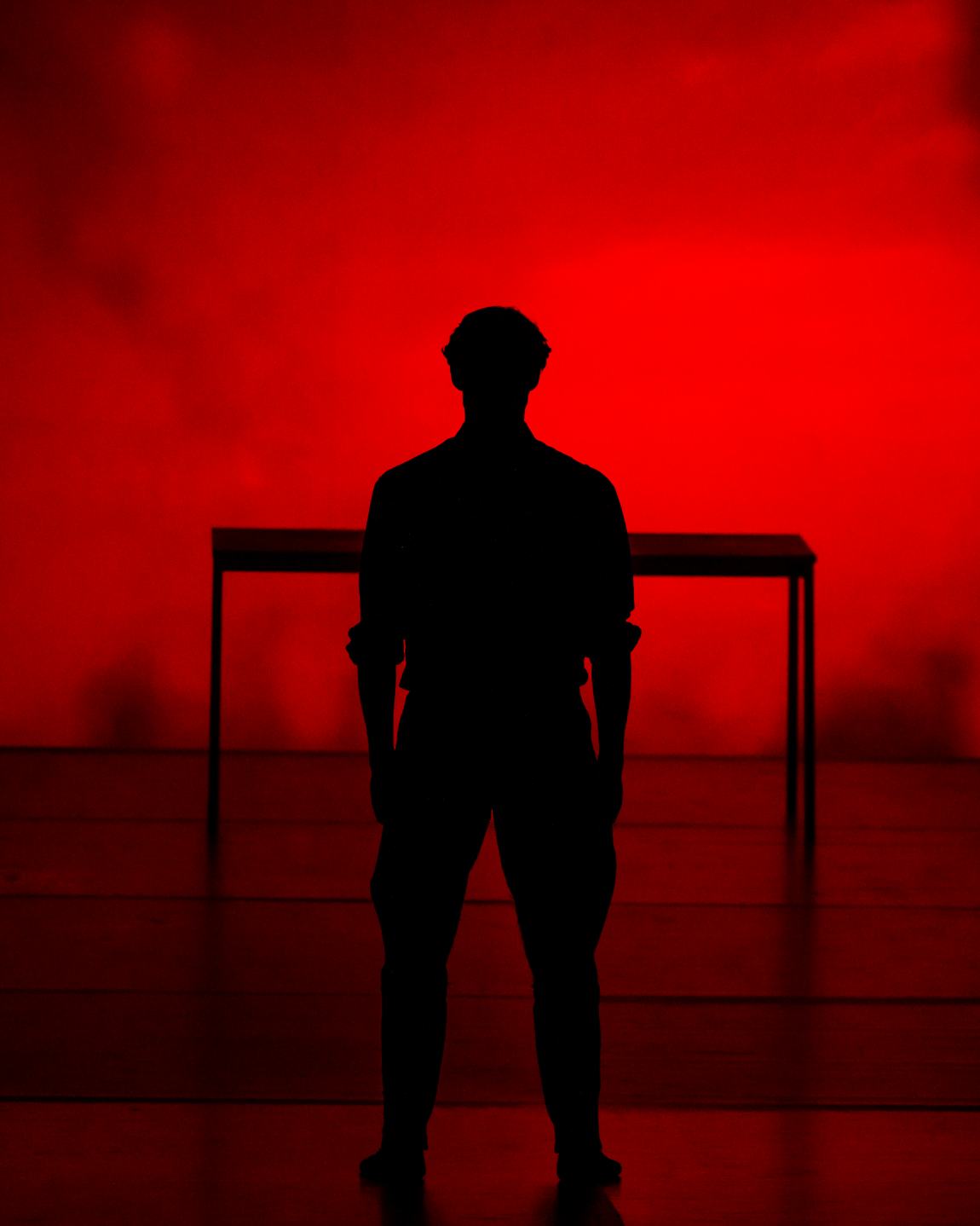
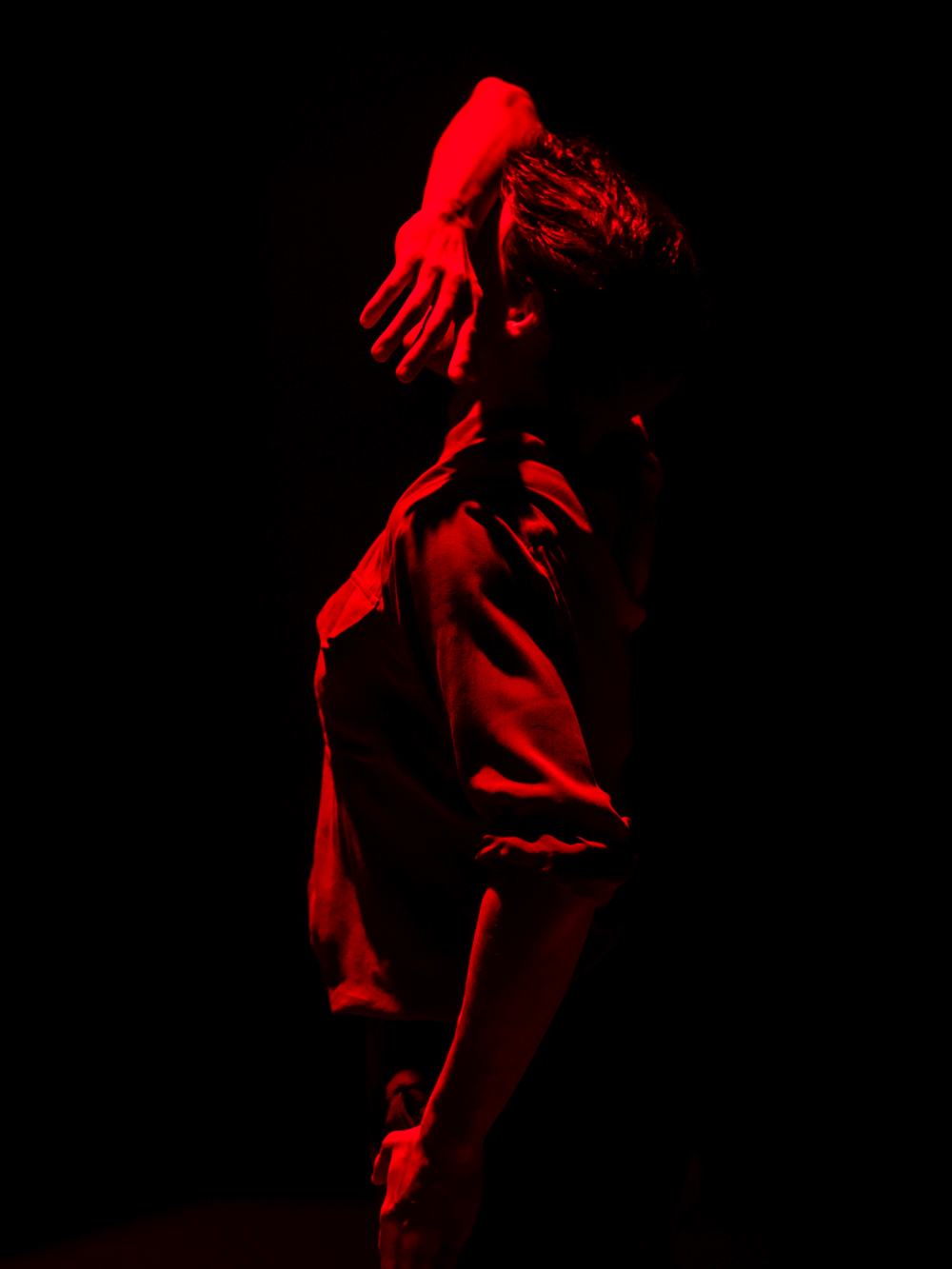
8. P.Sorokin (Yegor’s comrade), “Russian Character” by P.Glukhov, MuzArts 2026 © MuzArts/B.Annadurdiev 7. G.Gusev (Yegor`s comrade), A.Putintsev (Yegor Dryomov), and P.Sorokin (Yegor’s comrade); “Russian Character” by P.Glukhov, MuzArts 2026 © MuzArts/B.Annadurdiev The black silhouette of Glukhov’s Yegor (Alexei Putintsev) stood motionless in the darkness, watching a huge window slide open. Behind it, a blaze roared. The simple table in front of the fire later turned out to signify his family’s home. Accompanied by grave piano music, clanging metal (played by the Moscow Youth Chamber Orchestra under the baton of Andrei Kolyasnikov from a shallow pit on the right side of the cross-shaped stage), and monotonal sacral singing (performed by the Ippolitov-Ivanov Chamber Choir of the Moscow State Pedagogical Institute, which stood in the left pit), Yegor’s elbow shielded his eyes, and then his hand rested reassuringly behind his back. His breathing eased, then his fist clenched.

9. E.Krysanova (Maria Polikarpovna) and A.Putintsev (Yegor Dryomov), “Russian Character” by P.Glukhov, MuzArts 2026 © MuzArts/B.Annadurdiev 10. E.Krysanova (Maria Polikarpovna) and M.Lobukhin (Yegor Egorovich), “Russian Character” by P.Glukhov, MuzArts 2026 © MuzArts/B.Annadurdiev11. E.Krysanova (Maria Polikarpovna) and M.Lobukhin (Yegor Egorovich), “Russian Character” by P.Glukhov, MuzArts 2026 © MuzArts/B.AnnadurdievThe sound of a bell put an end to the fire, leaving a gray scene that, except for white and red scarves and Katya’s (Elizaveta Kokoreva) modest red lipstick, remained gray throughout. To the first rattling sounds of an accordion (played by Aidar Gainullin—a renowned Russian musician and Honored Artist of the Republic of Tatarstan—who sat at the stage’s right front side), Yegor turned toward the audience. As if to calculate the fire range and angle of his tank’s gun, his arms stretched and bent in various angles, and his feet measured their range of motion. Finally, he gathered his courage and ran toward the table against the edges of which his parents (Ekaterina Krysanova and Mikhail Lobukhin) supported themselves.
14. A.Putintsev (Yegor Dryomov) and E.Krysanova (Maria Polikarpovna), “Russian Character” by P.Glukhov, MuzArts 2026 © MuzArts/B.Annadurdiev 13. A.Putintsev (Yegor Dryomov) and E.Krysanova (Maria Polikarpovna), “Russian Character” by P.Glukhov, MuzArts 2026 © MuzArts/B.Annadurdiev12. A.Putintsev (Yegor Dryomov) and E.Krysanova (Maria Polikarpovna), “Russian Character” by P.Glukhov, MuzArts 2026 © MuzArts/B.AnnadurdievIn front of a tall lattice window behind which leafless trees swayed in the wind, the family kitchen suddenly resembled a sanctuary. The encounter was like a ritual during which the three knotted themselves in complicated poses as if to avoid straightforward questions. Yegor’s true identity was almost revealed, but his head eluded the grip of his parents’ hands in the very last moment, and though he danced at length with Katya, one couldn’t read her thoughts. Pushed by the urging score, their and his parents’ synchronous pas de deux conveyed the strains of wartime relationships but didn’t relate specifically to Yegor.

15. M.Lobukhin (Yegor Egorovich) and A.Putintsev (Yegor Dryomov), “Russian Character” by P.Glukhov, MuzArts 2026 © MuzArts/B.Annadurdiev16. A.Putintsev (Yegor Dryomov), E.Kokoreva (Katya Malysheva), G.Gusev (Yegor`s comrade), and P.Sorokin (Yegor’s comrade); “Russian Character” by P.Glukhov, MuzArts 2026 © MuzArts/B.AnnadurdievAs the kitchen window briefly turned into a hell of fire again, Yegor was back with his comrades (Georgy Gusev and Ivan Sorokin), sharing a cigarette, some laid-back, off-duty time, and combat. Later, they teased Yegor with the white scarf that Katya had given him as a keepsake. It was replaced by a red one that covered Yegor’s face once his comrades had carried him off the battlefield, circled by huge ravens. When his mother’s quivering hands tore the scarf away, Yegor ran off.

18. A.Putintsev (Yegor Dryomov) and ensemble, “Russian Character” by P.Glukhov, MuzArts 2026 © MuzArts/B.Annadurdiev 17. A.Putintsev (Yegor Dryomov) and ensemble, “Russian Character” by P.Glukhov, MuzArts 2026 © MuzArts/B.AnnadurdievFacing reality tormented his mother and revealed the strength of his father (Krysanova and Lobukhin danced a fabulously strong pas de deux at this point). It also reminded her of the affectionate relationship she had with her young son.

Only three-quarters of the way through the piece did bloody scarves disfigure Yegor’s face. His hands and arms frantically covered them, even though his father forcefully pulled them off again and again. This was his son, and he stood with him. However, Yegor needed to come to terms with his own past. He finally took his place among his family, next to Katya.

19. Ensemble, “Nerve” by A.Shchekleina, MuzArts 2026 © MuzArts/B.Annadurdiev20. “Nerve” by A.Shchekleina, MuzArts 2026 © MuzArts/B.Annadurdiev21. “Nerve” by A.Shchekleina, MuzArts 2026 © MuzArts/B.AnnadurdievIn Shchekleina’s Nerve (2022), a man’s course of life is fundamentally changed by some unknown, deeply disturbing event. Only once did the shadow of his head pass by on the backdrop, but he certainly was the owner of the brain, the gray matter of which we were permitted to peep into. It showed seven black dancer-neurons in a harmonious workflow. Rhythmic electronic pulses (music by Vasily Peshkov) induced their gentle undulations.

24. “Nerve” by A.Shchekleina, MuzArts 2026 © MuzArts/B.Annadurdiev23. “Nerve” by A.Shchekleina, MuzArts 2026 © MuzArts/B.Annadurdiev22. “Nerve” by A.Shchekleina, MuzArts 2026 © MuzArts/B.Annadurdiev Black fabric tubes pulled over their heads symbolized axons. Their network kept each neuron in place. Suddenly, an unnerving sound unleashed flashing signals that generated spiky movements. Seconds later, the dancers’ limbs lashed mechanically sideways, indicating a cerebral deadlock. Neural degeneration was underway. One after the other, the dancers pulled the axons off their heads and fled, their arms flailing. Ripped from their cell bodies, the axons deteriorated.

25. “Nerve” by A.Shchekleina, MuzArts 2026 © MuzArts/B.Annadurdiev26. “Nerve” by Anna Shchekleina, MuzArts 2026 © MuzArts/B.Annadurdiev The robot-like man who appeared from the fathomless, black space must have been the one whose nerves we had just witnessed suffering. He was not merely thin-skinned, but skinless up to his bones and muscles. Raw and unprotected, the sheer existence of his body alienated him. The woman who entered the dark stage from the opposite side was similarly exposed and disturbed. When she touched the man’s arm, both pulled back reflexively as if burned. Initially wavering between curiosity and attraction, their encounter quickly turned into a shadowboxing-like attack. Although the woman never touched the man, he crawled on all fours, shirking from her blows and kicks. She had already receded into the distance, but his arms continued to clench his chest.
28. I.Gainutdinov, “Nerve” by A.Shchekleina, MuzArts 2026 © MuzArts/B.Annadurdiev27. “Nerve” by A.Shchekleina, MuzArts 2026 © MuzArts/B.AnnadurdievOnce he felt safe and recovered to his feet, the black tentacles of a huge polyp appeared on the left side of the backdrop. Perhaps, they represented the level to which the traumatized spirits had declined?

Six people who replaced the maltreated man accomplished the first step of mental restoration. Although still skinless and strutting like spiders, their arms reaching out like tentacles for prey, they had the brains for an acrobatic pas de trois. One man, with legs straddling at the front of the stage and his arms stretched into a V-shape, thrust his chest toward heaven, collapsed, and struggled back onto his feet. His flailing arms and kicking legs seemed to fend off the thickening knot of tentacles on the backdrop. His gaping mouth gave him a helpless look, but he persevered. While he jerked and his hands gripped his neck as if he were choking, the tentacles vanished.

29. I.Gainutdinov, “Nerve” by A.Shchekleina, MuzArts 2026 © MuzArts/B.Annadurdiev30. A.Kovaleva and I.Gainutdinov, “Nerve” by A.Shchekleina, MuzArts 2026 © MuzArts/B.AnnadurdievHuge progress was made when he brought the others, who had turned into awkward pillars of salt, into the warm spotlight. Their sense of beauty and togetherness was restored and healing completed when, upon a woman’s solo, a man (Ildar Gainutdinov) slumped on stage like a newborn, his hair tousled and skin wet with oil. His legs buckled under his weight as he attempted to walk, and, while gazing at his arms, he slowly became conscious of himself.

32. Ensemble, “Nerve” by A.Shchekleina, MuzArts 2026 © MuzArts/B.Annadurdiev 31. Ensemble, “Nerve” by A.Shchekleina, MuzArts 2026 © MuzArts/B.AnnadurdievWhen a woman (Alena Kovaleva) joined him, their movements complemented each other’s like yin and yang. Accompanied by spherical sounds, harmony came to the group. Actions and reactions merged into a gentle flow. Being together and being human was precious. After swimming through invisible waters, which they seemed to pour twice over their heads like a baptismal ritual, their hands rested in front of their necks, flickering from the pulse of life. Just as they assembled around a circle of light, the stage went dark.

33. A.Stashkevich (Francesca) and E.Gerashchenko (Giovanni), “Francesca da Rimini” by Y.Possokhov, MuzArts 2026 © MuzArts/B.Annadurdiev 34. I.Gainutdinov (Paolo), A.Stashkevich (Francesca), E.Gerashchenko (Giovanni), and ensemble; “Francesca da Rimini” by Y.Possokhov, MuzArts 2026 © MuzArts/B.AnnadurdievPossokhov’s Francesca da Rimini was created for San Francisco Ballet in 2012 and added to MuzArts’ repertory in 2016. It’s accompaniment, Tchaikovsky’s symphonic poem of the same title, is rich and colorful.
Francesca da Rimini, an Italian noblewoman of Ravenna, had an affair with Paolo Malatesta, the stepbrother of her husband, Giovanni. Upon discovering the adultery, Giovanni murdered both.

36. A.Stashkevich (Francesca), I.Gainutdinov (Paolo), and ensemble; “Francesca da Rimini” by Y.Possokhov, MuzArts 2026 © MuzArts/B.Annadurdiev35. I.Gainutdinov (Paolo), E.Gerashchenko (Giovanni), A.Stashkevich (Francesca), and ensemble; “Francesca da Rimini” by Y.Possokhov, MuzArts 2026 © MuzArts/B.Annadurdiev Dante Alighieri, a contemporary of Francesca, included her fate in his Divine Comedy, in which she and Paolo were banished to the second circle of the Inferno reserved for the lustful. There, she explained to Dante that love overpowered her while she was reading a chivalric romance about Lancelot du Lac, “We yielded to our passions because of one single line in that book… A pimp was that book, and a pimp was the one who wrote it.”

37. I.Gainutdinov (Paolo) and A.Stashkevich (Francesca), “Francesca da Rimini” by Y.Possokhov, MuzArts 2026 © MuzArts/B.Annadurdiev 38. I.Gainutdinov (Paolo) and ensemble, “Francesca da Rimini” by Y.Possokhov, MuzArts 2026 © MuzArts/B.Annadurdiev Possokhov’s Francesca (Anastasia Stashkevich), wearing a silky, pristine white dress (costume design by Igor Chapurin), was similarly reading a book—Dante’s Divine Comedy. Next to her on a broken, marble fresco sat Giovanni (Egor Gerashchenko), his half-red, half-olive colored shirt perhaps indicating that he had both loving and hateful sides. In all probability, he would end up in hell as well, but for now, he was part of Francesca’s tormenting memories. Paolo (Ildar Gainutdinov) stood behind them in the semi-darkness, looking away.
41. I.Gainutdinov (Paolo) and A.Stashkevich (Francesca), “Francesca da Rimini” by Y.Possokhov, MuzArts 2026 © MuzArts/B.Annadurdiev40. I.Gainutdinov (Paolo) and A.Stashkevich (Francesca), “Francesca da Rimini” by Y.Possokhov, MuzArts 2026 © MuzArts/B.Annadurdiev39. A.Stashkevich (Francesca), I.Gainutdinov (Paolo), and ensemble; “Francesca da Rimini” by Y.Possokhov, MuzArts 2026 © MuzArts/B.Annadurdiev Five court ladies in floor-length, red dresses (Olga Marchenkova, Ekaterina Besedina, Ekaterina Smurova, Anna Zakaraia, and Anna Grigireva) and three guardians of hell (Vasily Danilchuk, Anton Gainutdinov, and Karim Abdullin), their pale white, full-body leotards darkened from soot, joined them in the cavernous, gloomy blue of hell.
42. A.Stashkevich (Francesca) and I.Gainutdinov (Paolo), “Francesca da Rimini” by Y.Possokhov, MuzArts 2026 © MuzArts/B.Annadurdiev43. A.Stashkevich (Francesca) and I.Gainutdinov (Paolo), “Francesca da Rimini” by Y.Possokhov, MuzArts 2026 © MuzArts/B.Annadurdiev From all sides, fragments of marble statues (among them amorous couples) protruded into the foggy air like remnants of a shattered past (set design by Maria Treguba). The relationship between Francesca and Giovanni wasn’t yet shattered but was bloodless and one-sided. Giovanni was staid and earnestly loving, whereas the sensitive Francesca seemed to live in a dream world. Although her eyes avoided Giovanni at all times and she disliked his kiss on her neck, he was her anchor.

46. A.Stashkevich (Francesca) and I.Gainutdinov (Paolo), “Francesca da Rimini” by Y.Possokhov, MuzArts 2026 © MuzArts/B.Annadurdiev 45. A.Stashkevich (Francesca) and I.Gainutdinov (Paolo), “Francesca da Rimini” by Y.Possokhov, MuzArts 2026 © MuzArts/B.Annadurdiev44. A.Stashkevich (Francesca) and I.Gainutdinov (Paolo), “Francesca da Rimini” by Y.Possokhov, MuzArts 2026 © MuzArts/B.AnnadurdievBefore leaving the scene, Giovanni put a protective hand on his wife’s head and a brotherly one on Paolo’s shoulder, but, abruptly turning around and glancing at Paolo, he must have apprehended what was to come. With Giovanni gone, the court ladies whispered when Paolo approached Francesca. They mimicked her attempts to resist his advances or crossed the stage with quick steps, stirring the air with flurries of port de bras. Often, their crossed-over hands held their skirts chastely folded or, sitting on the floor, their crossed legs shielded their loins. The moment Francesca fell for Paolo, the ladies sank to the feet of the guardians of hell.
47. E.Gerashchenko (Giovanni) and A.Stashkevich (Francesca), “Francesca da Rimini” by Y.Possokhov, MuzArts 2026 © MuzArts/B.Annadurdiev48. A.Stashkevich (Francesca) and I.Gainutdinov (Paolo), “Francesca da Rimini” by Y.Possokhov, MuzArts 2026 © MuzArts/B.Annadurdiev49. A.Stashkevich (Francesca) and E.Gerashchenko (Giovanni), “Francesca da Rimini” by Y.Possokhov, MuzArts 2026 © MuzArts/B.Annadurdiev Paolo rotated around Francesca like a windmill, directing his hasty, passionate jumps at her. Bypassing his outstretched arms was impossible. She tried to run away but then stopped helplessly and gave in. As he carried her erect body, she stretched her arms sideways like the crucified Christ, then she collapsed over his shoulder, emptied of all strength. Abhorred by the lovers’ kiss, the ladies shielded their eyes behind their elbows. Only when Francesca bowed her head submissively to them did the arrogant, contemptuous lot back out.

51. A.Stashkevich (Francesca), I.Gainutdinov (Paolo), and E.Gerashchenko (Giovanni); “Francesca da Rimini” by Y.Possokhov, MuzArts 2026 © MuzArts/B.Annadurdiev 50. I.Gainutdinov (Paolo), E.Gerashchenko (Giovanni), and ensemble; “Francesca da Rimini” by Y.Possokhov, MuzArts 2026 © MuzArts/B.Annadurdiev The following scene portrayed the love triangle and the disloyal court as a sober chess game, shedding light only on those few squares where action took place. The second Paolo stepped onto Francesca’s square, the two found themselves back in hell. Portentous brass sounds heralded Giovanni’s return. He rolled in like a thunderbolt, propelling himself high and landing in a deep lunge, from where his disbelieving yet furious gaze caught Francesca and Paolo in an intimate embrace. Paolo’s head hung guiltily as Giovanni leapt toward him, his outstretched arm asking why. Mad with anger, Giovanni jumped toward the lovers twice. The invisible dagger in his hand first killed Francesca, then Paolo. Still raging with ire, Giovanni stepped over the corpses, scornfully kicking them. Then the three guardians of hell put a robust noose over his head and, pulling him away by the rope, ensured that guilt would strangle him forever.
52. E.Gerashchenko (Giovanni), I.Gainutdinov (Paolo), A.Stashkevich (Francesca), V.Danilchuk, A.Gainutdinov, and K.Abdullin (Guardians of Hell); “Francesca da Rimini” by Y.Possokhov, MuzArts 2026 © MuzArts/B.Annadurdiev

Links: Website of the Maly Theatre
Trailer Planida
Photos: 1. Alexei Putintsev (Yegor Dryomov), “Russian Character” by Pavel Glukhov, MuzArts 2026
2. Alexei Putintsev (Yegor Dryomov), “Russian Character” by Pavel Glukhov, MuzArts 2026
3. Elizaveta Kokoreva (Katya Malysheva), Ekaterina Krysanova (Maria Polikarpovna), Alexei Putintsev (Yegor Dryomov), and Mikhail Lobukhin (Yegor Egorovich); “Russian Character” by Pavel Glukhov, MuzArts 2026
4. Georgy Gusev (Yegor`s comrade), Alexei Putintsev (Yegor Dryomov), and Pavel Sorokin (Yegor’s comrade); “Russian Character” by Pavel Glukhov, MuzArts 2026
5. Georgy Gusev (Yegor`s comrade) and Alexei Putintsev (Yegor Dryomov), “Russian Character” by Pavel Glukhov, MuzArts 2026
6. Ensemble, “Russian Character” by Pavel Glukhov, MuzArts 2026
7. Georgy Gusev (Yegor`s comrade), Alexei Putintsev (Yegor Dryomov), and Pavel Sorokin (Yegor’s comrade); “Russian Character” by Pavel Glukhov, MuzArts 2026
8. Pavel Sorokin (Yegor’s comrade), “Russian Character” by Pavel Glukhov, MuzArts 2026
9. Ekaterina Krysanova (Maria Polikarpovna) and Alexei Putintsev (Yegor Dryomov), “Russian Character” by Pavel Glukhov, MuzArts 2026
10. Ekaterina Krysanova (Maria Polikarpovna) and Mikhail Lobukhin (Yegor Egorovich), “Russian Character” by Pavel Glukhov, MuzArts 2026
11. Ekaterina Krysanova (Maria Polikarpovna) and Mikhail Lobukhin (Yegor Egorovich), “Russian Character” by Pavel Glukhov, MuzArts 2026
12. Alexei Putintsev (Yegor Dryomov) and Ekaterina Krysanova (Maria Polikarpovna), “Russian Character” by Pavel Glukhov, MuzArts 2026
13. Alexei Putintsev (Yegor Dryomov) and Ekaterina Krysanova (Maria Polikarpovna), “Russian Character” by Pavel Glukhov, MuzArts 2026
14. Alexei Putintsev (Yegor Dryomov) and Ekaterina Krysanova (Maria Polikarpovna), “Russian Character” by Pavel Glukhov, MuzArts 2026
15. Mikhail Lobukhin (Yegor Egorovich) and Alexei Putintsev (Yegor Dryomov), “Russian Character” by Pavel Glukhov, MuzArts 2026
16. Alexei Putintsev (Yegor Dryomov), Elizaveta Kokoreva (Katya Malysheva), Georgy Gusev (Yegor`s comrade), and Pavel Sorokin (Yegor’s comrade); “Russian Character” by Pavel Glukhov, MuzArts 2026
17. Alexei Putintsev (Yegor Dryomov) and ensemble, “Russian Character” by Pavel Glukhov, MuzArts 2026
18. Alexei Putintsev (Yegor Dryomov) and ensemble, “Russian Character” by Pavel Glukhov, MuzArts 2026
19. Ensemble, “Nerve” by Anna Shchekleina, MuzArts 2026
20. “Nerve” by Anna Shchekleina, MuzArts 2026
21. “Nerve” by Anna Shchekleina, MuzArts 2026
22. “Nerve” by Anna Shchekleina, MuzArts 2026
23. “Nerve” by Anna Shchekleina, MuzArts 2026
24. “Nerve” by Anna Shchekleina, MuzArts 2026
25. “Nerve” by Anna Shchekleina, MuzArts 2026
26. “Nerve” by Anna Shchekleina, MuzArts 2026
27. “Nerve” by Anna Shchekleina, MuzArts 2026
28. Ildar Gainutdinov, “Nerve” by Anna Shchekleina, MuzArts 2026
29. Ildar Gainutdinov, “Nerve” by Anna Shchekleina, MuzArts 2026
30. Alena Kovaleva and Ildar Gainutdinov, “Nerve” by Anna Shchekleina, MuzArts 2026
31. Ensemble, “Nerve” by Anna Shchekleina, MuzArts 2026
32 Ensemble, “Nerve” by Anna Shchekleina, MuzArts 2026
33 Anastasia Stashkevich (Francesca) and Egor Gerashchenko (Giovanni), “Francesca da Rimini” by Yuri Possokhov, MuzArts 2026
34. Ildar Gainutdinov (Paolo), Anastasia Stashkevich (Francesca), Egor Gerashchenko (Giovanni), and ensemble; “Francesca da Rimini” by Yuri Possokhov, MuzArts 2026
35. Ildar Gainutdinov (Paolo), Egor Gerashchenko (Giovanni), Anastasia Stashkevich (Francesca), and ensemble; “Francesca da Rimini” by Yuri Possokhov, MuzArts 2026
36. Anastasia Stashkevich (Francesca), Ildar Gainutdinov (Paolo), and ensemble; “Francesca da Rimini” by Yuri Possokhov, MuzArts 2026
37. Ildar Gainutdinov (Paolo) and Anastasia Stashkevich (Francesca), “Francesca da Rimini” by Yuri Possokhov, MuzArts 2026
38. Ildar Gainutdinov (Paolo) and ensemble, “Francesca da Rimini” by Yuri Possokhov, MuzArts 2026
39. Anastasia Stashkevich (Francesca), Ildar Gainutdinov (Paolo), and ensemble; “Francesca da Rimini” by Yuri Possokhov, MuzArts 2026
40. Ildar Gainutdinov (Paolo) and Anastasia Stashkevich (Francesca), “Francesca da Rimini” by Yuri Possokhov, MuzArts 2026
41. Ildar Gainutdinov (Paolo) and Anastasia Stashkevich (Francesca), “Francesca da Rimini” by Yuri Possokhov, MuzArts 2026
42 Anastasia Stashkevich (Francesca) and Ildar Gainutdinov (Paolo), “Francesca da Rimini” by Yuri Possokhov, MuzArts 2026
43. Anastasia Stashkevich (Francesca) and Ildar Gainutdinov (Paolo), “Francesca da Rimini” by Yuri Possokhov, MuzArts 2026
44. Anastasia Stashkevich (Francesca) and Ildar Gainutdinov (Paolo), “Francesca da Rimini” by Yuri Possokhov, MuzArts 2026
45. Anastasia Stashkevich (Francesca) and Ildar Gainutdinov (Paolo), “Francesca da Rimini” by Yuri Possokhov, MuzArts 2026
46. Anastasia Stashkevich (Francesca) and Ildar Gainutdinov (Paolo), “Francesca da Rimini” by Yuri Possokhov, MuzArts 2026
47. Egor Gerashchenko (Giovanni) and Anastasia Stashkevich (Francesca), “Francesca da Rimini” by Yuri Possokhov, MuzArts 2026
48. Anastasia Stashkevich (Francesca) and Ildar Gainutdinov (Paolo), “Francesca da Rimini” by Yuri Possokhov, MuzArts 2026
49. Anastasia Stashkevich (Francesca) and Egor Gerashchenko (Giovanni), “Francesca da Rimini” by Yuri Possokhov, MuzArts 2026
50. Ildar Gainutdinov (Paolo), Egor Gerashchenko (Giovanni), and ensemble; “Francesca da Rimini” by Yuri Possokhov, MuzArts 2026
51. Anastasia Stashkevich (Francesca), Ildar Gainutdinov (Paolo), and Egor Gerashchenko (Giovanni); “Francesca da Rimini” by Yuri Possokhov, MuzArts 2026
52. Egor Gerashchenko (Giovanni), Ildar Gainutdinov (Paolo), Anastasia Stashkevich (Francesca), Vasily Danilchuk, Anton Gainutdinov, and Karim Abdullin (Guardians of Hell); “Francesca da Rimini” by Yuri Possokhov, MuzArts 2026
all photos © MuzArts/Batyr Annadurdiev
Editing: Kayla Kauffman


Believe in Miracles

“The Nutcracker. Waiting for a Miracle”
Bolshoi Ballet
Bolshoi Theatre
Moscow, Russia
December 29, 2025 (documentary)

by Ilona Landgraf
Copyright © 2026 by Ilona Landgraf

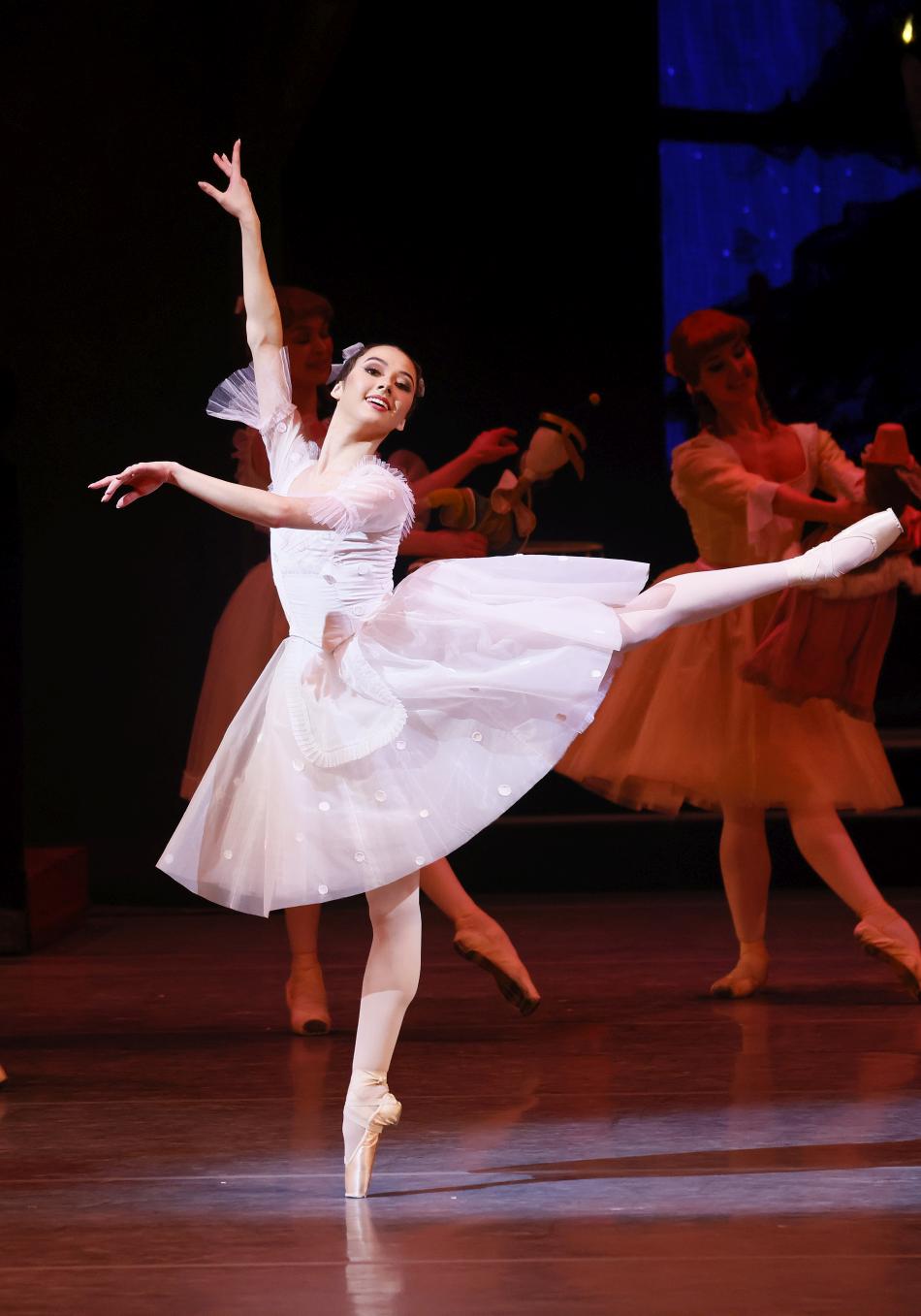
1. E.Kokoreva (Marie), D.Savin (Drosselmeier), and ensemble, “The Nutcracker” by Y.Grigorovich, Bolshoi Ballet 2025 © Bolshoi Theatre/D.YusupovOf the many special moments in Yuri Grigorovich’s The Nutcracker, there’s one you shouldn’t miss: when the Christmas tree is growing, and Marie’s transformation takes place. Then you need to make a wish. At least, that’s the insiders’ tip from the Bolshoi Ballet’s artists involved in the production.

Grigorovich’s The Nutcracker premiered at the Bolshoi Theatre in 1966 and was performed for the eight hundredth time earlier in December. Perhaps that’s why the Russian Channel One broadcast a one-hour documentary about The Nutcracker at the end of December. The film outlines the plot, provides insight into the music, set, and costumes, and looks at sixty years of performance history, during which nothing changed. Numerous coaches and ballet masters guarantee that Grigorovich’s legacy is preserved and kept alive. Continue reading “Believe in Miracles”

Lasting Icons

“Two Annas”
MuzArts
Tovstonogov Bolshoi Drama Theatre
St. Petersburg, Russia
December 2025 (video)

by Ilona Landgraf
Copyright © 2025 by Ilona Landgraf

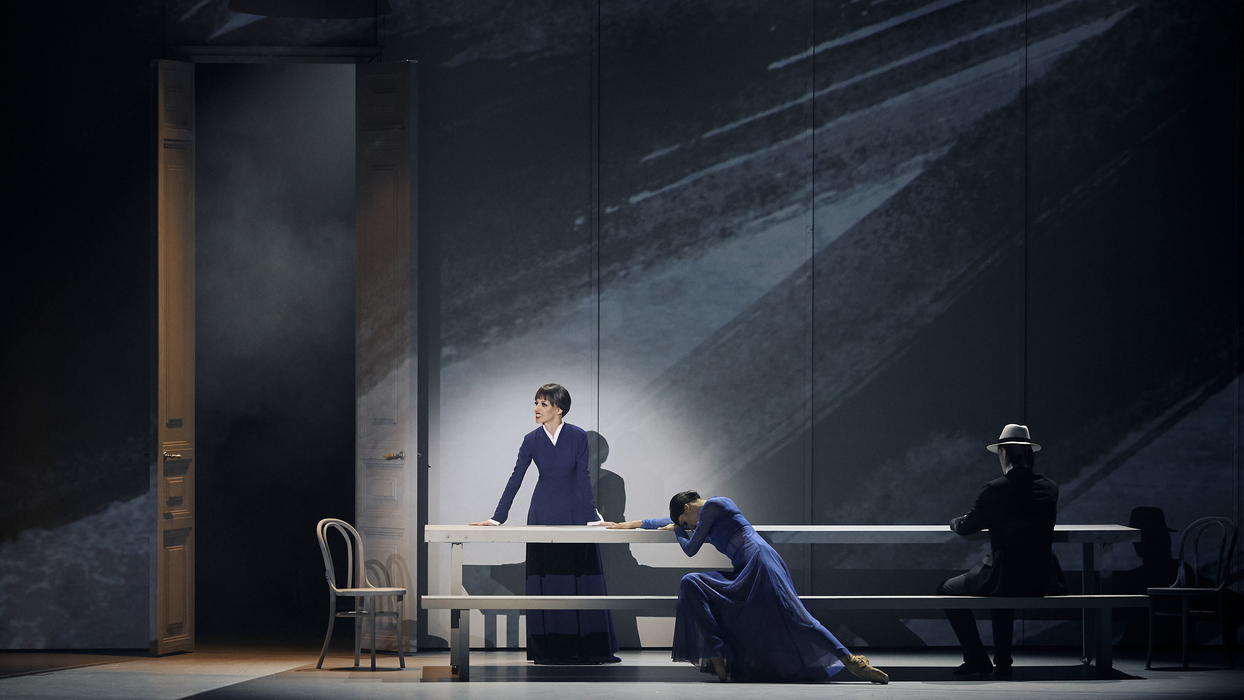
 1. P.Malikova (Anna Akhmatova), E.Sevenard (Anna Akhmatova), and D.Potaptsev (Nikolai Gumilev), “Akhmatova” by Y.Possokhov, MuzArts 2025 © Diaghilev P.S. Festival/M.Vilchuk The production company MuzArts, founded in 2014 to showcase the Bolshoi Ballet’s prima ballerina, Svetlana Zakharova, has grown into a vital force of Russia’s ballet scene. Their recent production, Two Annas, was supported by the Diaghilev P.S. International Festival of Arts, a prominent, intercultural, cross-genre event that has been held in St. Petersburg since 2009. Two Annas premiered at St. Petersburg’s Tovstonogov Bolshoi Drama Theatre this February and received its Moscow premiere at the Maly Theatre. Thanks to the MuzArts’s director, Yuri Baranov, I was able to watch a video of the production. Continue reading “Lasting Icons”

Dreams versus Reality

“The Seagull”
Bolshoi Ballet
Bolshoi Theatre (New Stage)
Moscow, Russia
March 06, 2025

by Ilona Landgraf
Copyright © 2025 by Ilona Landgraf

1. A.Putintsev (Konstantin Treplev), “The Seagull” by Y.Possokhov, Bolshoi Ballet 2025 © Bolshoi Theatre/M.Logvinov Almost four years after its premiere in summer 2021, I finally saw Yuri Possokhov’s The Seagull at the Bolshoi Theatre. It was his sixth creation for the company (his seventh and latest, The Queen of Spades, premiered in 2023), and the fourth time, he teamed up with composer Ilya Demutsky. The artistic team included costume designer Emma Ryott (a longstanding collaborator of choreographer Christian Spuck) and set designer Tom Pye (who also created the designs for Possokhov’s Anna Karenina). David Finn contributed the lighting, Sergei Rylko the video design.

Chekhov’s The Seagull is labeled as a comedy, but its humor is bitter at best. Not a single protagonist leads a fulfilled life. Everybody runs after a dream world or tries to construct their realities. Family relationships are strained, and love is unrequited, quickly exhausted, or phony. Possokhov’s interpretation throws more light on some characters, and less on others, and differs in some respects from the original. Irina Arkadina (Kristina Kretova)—an actress in Chekhov’s version, a renowned ballerina in Possokhov’s—is not merely a fashionable yet greedy diva and dysfunctional mother. She shows her empathetic side when she recalls childhood memories with her elderly brother, Pyotr Sorin (Mikhail Lobukhin), whose unrealized dreams of marriage and artistic career Possokhov omitted. Like in the text, events largely unfolded at Sorin’s country estate. Continue reading “Dreams versus Reality”

The Hub

“The Nutcracker”
Bolshoi Ballet
Bolshoi Theatre
Moscow, Russia
December 31, 2024 (live stream)

by Ilona Landgraf
Copyright © 2025 by Ilona Landgraf

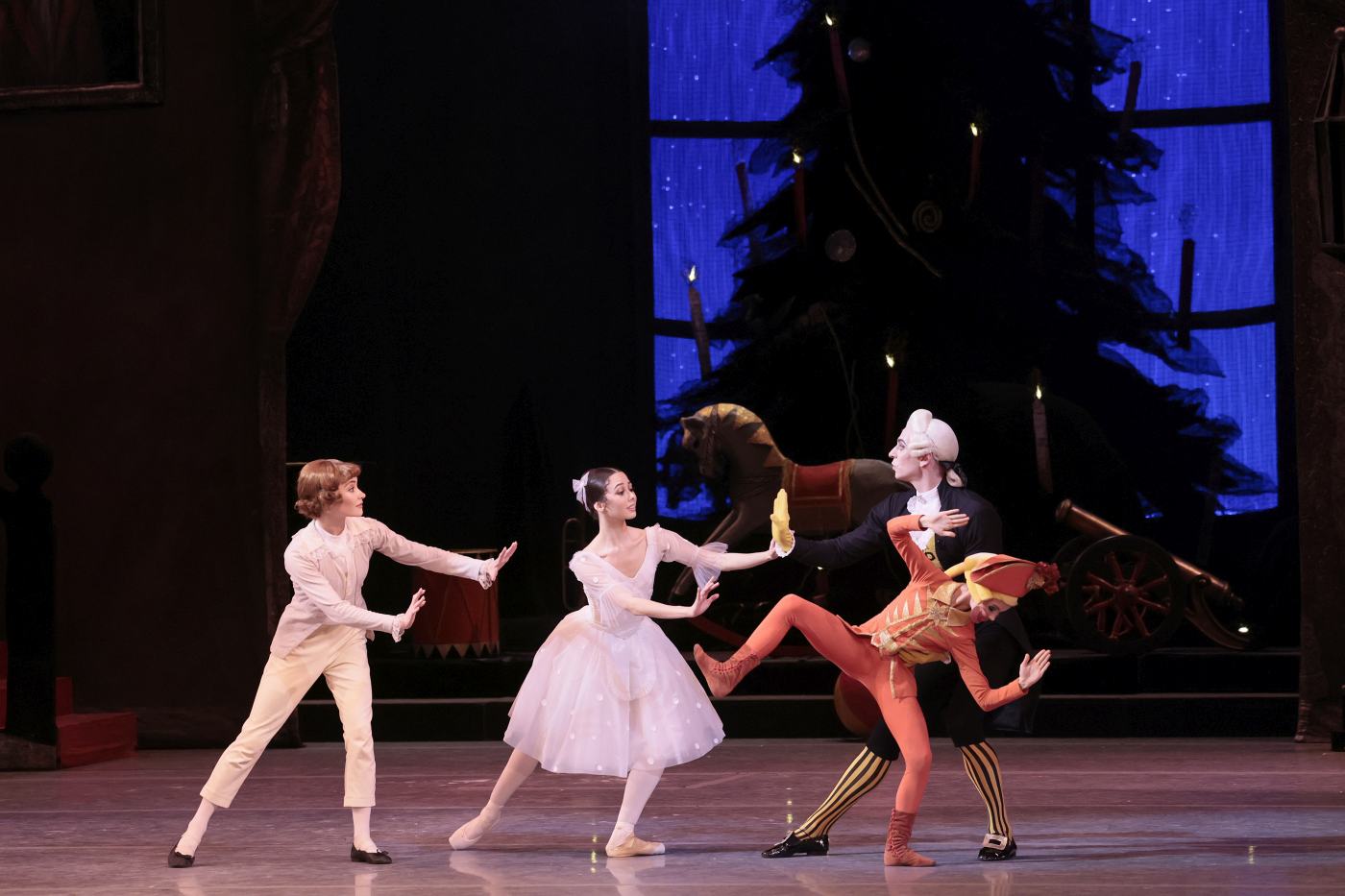
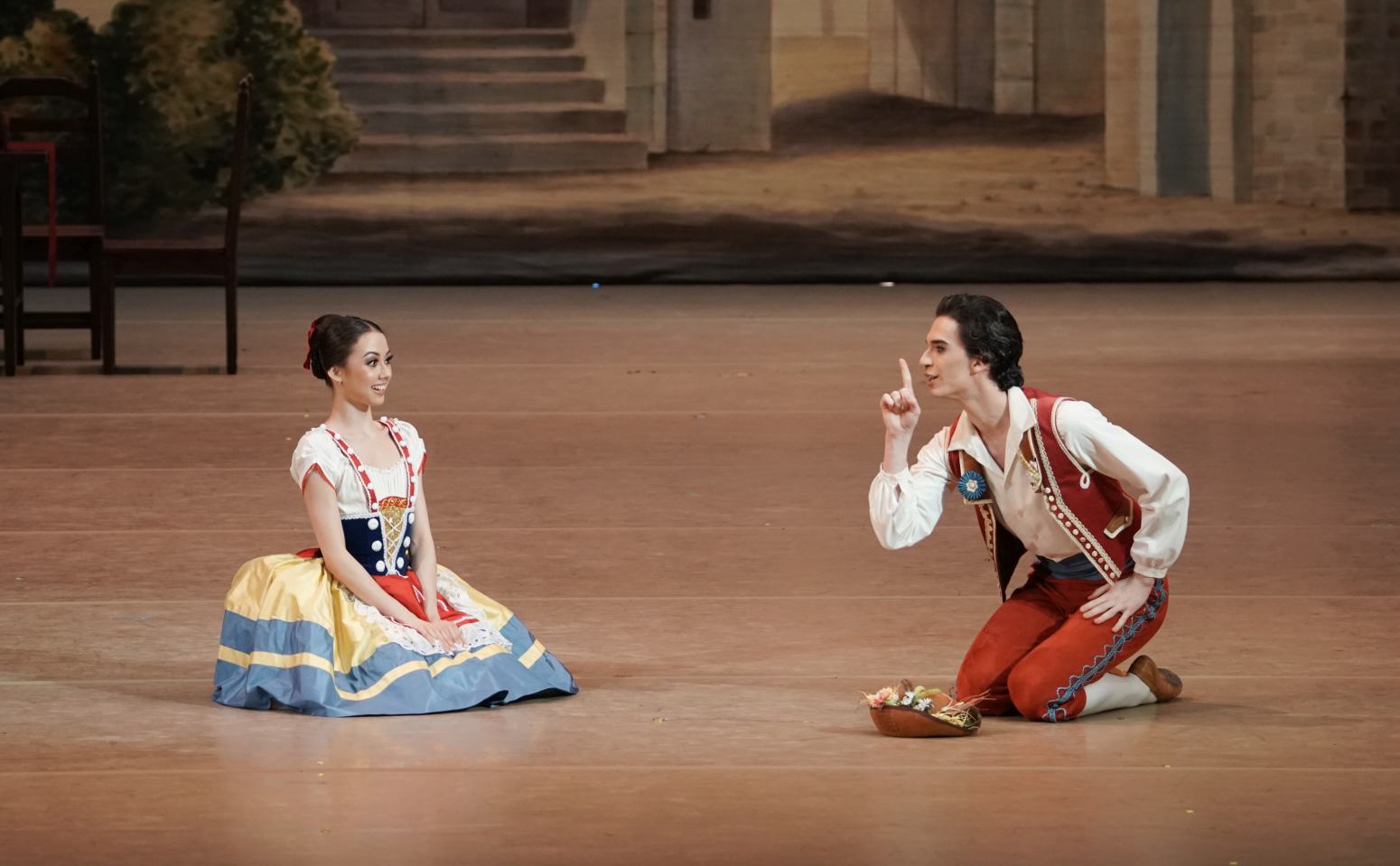
1. E.Kokoreva (Marie) and ensemble, “The Nutcracker” by Y.Grigorovich, Bolshoi Ballet 2024 © Bolshoi Ballet/D.Yusupov2. A.Ovcharenko (Nutcracker Prince), “The Nutcracker” by Y.Grigorovich, Bolshoi Ballet 2024 © Bolshoi Ballet/D.Yusupov During this year’s Christmas sermon, my pastor asked which moment should best represent Christmas. The Christmas dinner? The lighting of the candles? Or, perhaps, unwrapping the presents? For me, this moment was the moment during the Bolshoi Ballet’s performance of The Nutcracker when the newlywed Marie (Elizaveta Kokoreva) and the Nutcracker Prince (Artem Ovcharenko) were lifted by their court toward the star at the top of the Christmas tree. It was the climax of their spiritual journey and of Yuri Grigorovich’s choreography for which I had been waiting since I last saw his Nutcracker live in Moscow in 2022.

Two live streams on December 30th (evening performance) and December 31st (matinee) enabled a vast audience to follow the heroes’ journey. To meet the demand, the number of cinemas offering live broadcasts grew from one hundred to three hundred in December. Most were located in Russia, but cinemas in Belarus, Armenia, and the United Arab Emirates also participated. I was able to watch the matinee on the Bolshoi’s vk video platform. Continue reading “The Hub”

An Opening Salute

“The Sleeping Beauty”
Bolshoi Ballet
Bolshoi Theatre
Moscow, Russia
September 07, 2024 (live stream)

by Ilona Landgraf
Copyright © 2024 by Ilona Landgraf

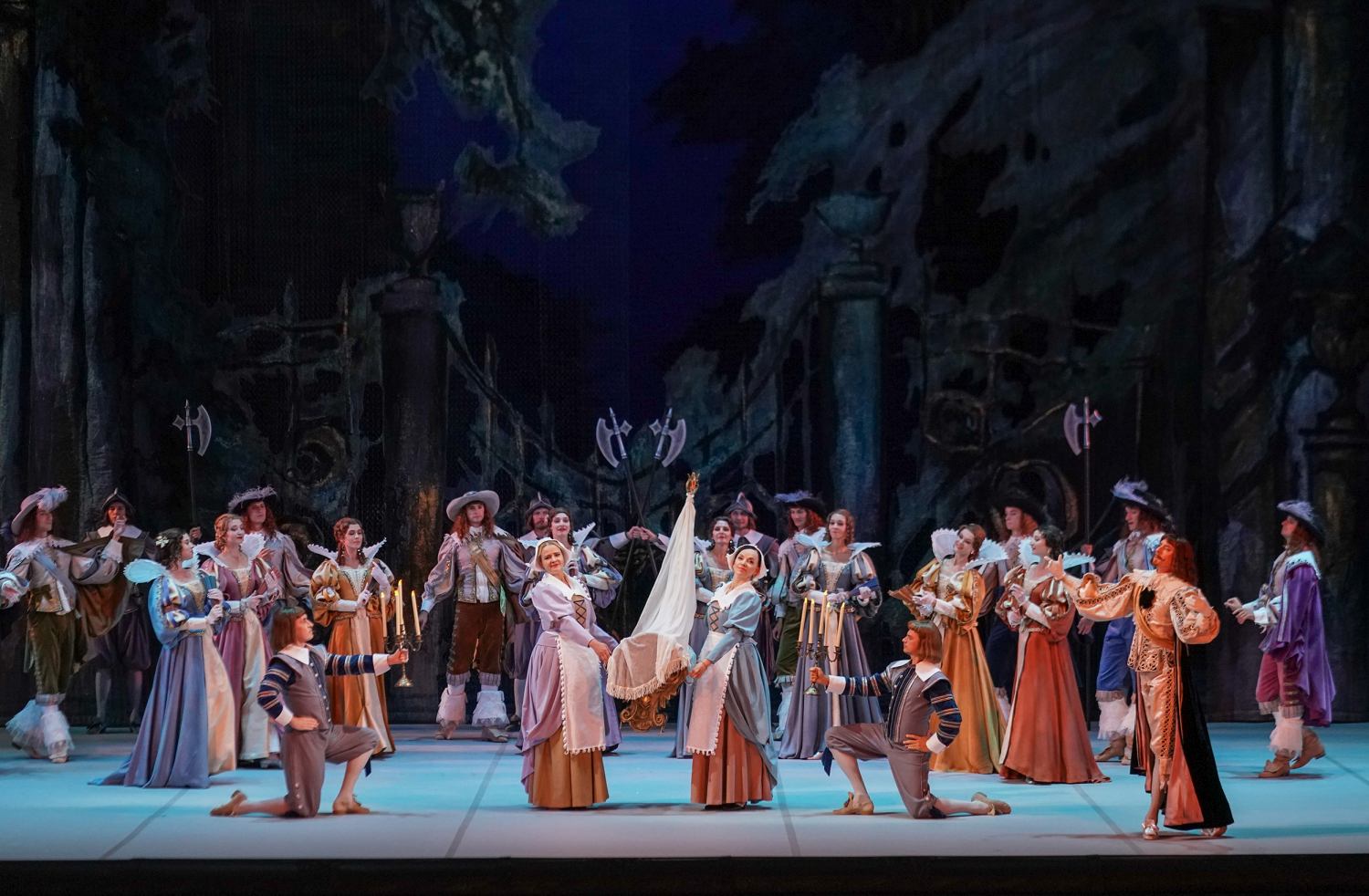
 1. Y.Ostrovsky (Catalabutte) and ensemble, “The Sleeping Beauty” by Y.Grigorovich after M.Petipa, Bolshoi Ballet 2024 © Bolshoi Theatre/P.Rychkov The Bolshoi Ballet opened its 249th season with a revival of Yuri Grigorovich’s The Sleeping Beauty, which has been absent from the stage for four years. Because of the thorough change of décor, the production was announced as a premiere. It swapped the opulent (and often criticized) sets and costumes that Ezio Frigerio and Franca Squarciapino designed for the 2011 revival (celebrating the reopening of the theater’s Historic Stage after six years of refurbishment) for the restrained décor that Simon Virsaladze (1909–1989) created for Grigorovich’s second version of the ballet in 1973. The subdued hues and aquarelle-ish style of its courtly surroundings direct the gaze toward the colorful costumes (recalling French court fashion from King Louis XIII’s to the Sun King, Louis XIV’s, reign), beautiful flower garlands and bouquets at Aurora’s birthday party, and, most importantly, the dancers and their performances. Raising the curtain didn’t elicit oohs and aahs from the audience as, for example, Jürgen Rose’s décor for Marcia Haydée’s Sleeping Beauty regularly has done on Western stages. Continue reading “An Opening Salute”

Intense

“Romeo and Juliet”
Bolshoi Ballet
Bolshoi Theatre (Historic Stage)
Moscow, Russia
April 04, 2024 (video)

by Ilona Landgraf
Copyright © 2024 by Ilona Landgraf

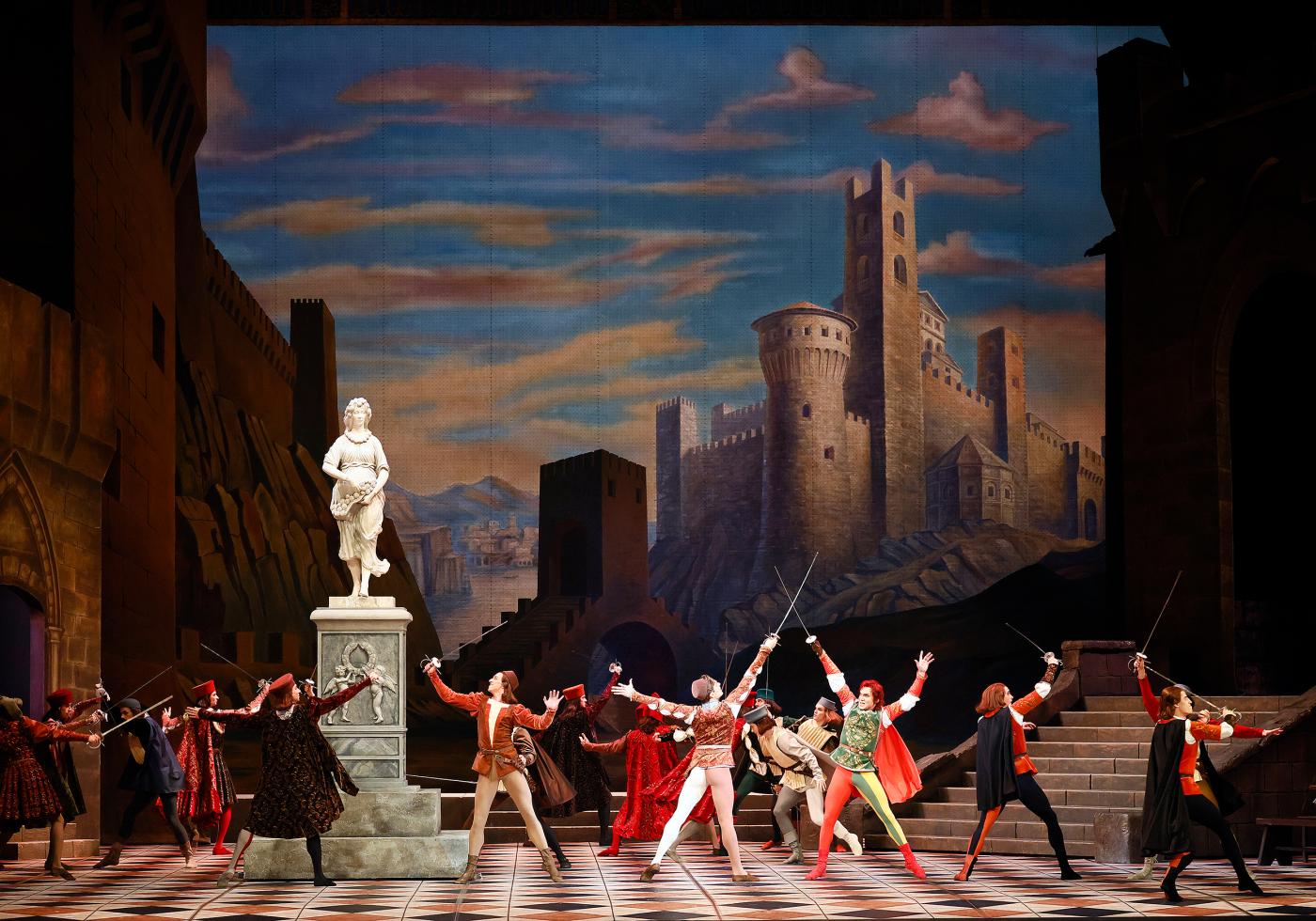
1. D.Efremov (Montague's Servant), I.Alexeyev (Benvolio), M.Lobukhin (Tybalt), and ensemble; “Romeo and Juliet” by L.Lavrovsky, Bolshoi Ballet 2024 © Bolshoi Ballet / D.YusupovIn early April, the Bolshoi Ballet revived Leonid Lavrovsky’s Romeo and Juliet, which senior balletomanes may remember from the company’s famous tours of London and the Met in the 1950s and ‘60s. Galina Ulanova, Raisa Strutchkova, Vladimir Vasiliev, Maris Liepa, and many others wrote ballet history dancing the leading roles. I couldn’t attend the premiere in Moscow but was finally able to watch a video of the opening night. It made me wonder why the production had been dropped from the schedule. Continue reading “Intense”

In Commemoration of Ekaterina Maximova

“Fragments of One Biography”
Bolshoi Ballet and Guests
Bolshoi Theatre
Moscow, Russia
February 01, 2024 (video)

by Ilona Landgraf
Copyright © 2024 by Ilona Landgraf

1. Ensemble, “Fragments of One Biography” staged by V.Vasiliev, Bolshoi Ballet 2024 © Bolshoi Ballet / E.FetisovaOn February 1st, the Bolshoi Ballet’s prima ballerina, Ekaterina Maximova (1939-2009), would have celebrated her 85th birthday. A phenomenally successful (and multi-decorated) artist, Maximova’s fame reached far beyond Russia’s borders. After retiring from the stage of the Bolshoi in 1988, she continued to dance with other Russian and international companies—and sometimes even returned home to the Bolshoi. From 1990 on, Maximova worked as a coach, teacher, and member of several arts councils and committees. Every five years, Maximova’s husband, Vladimir Vasiliev, stages a gala at the Bolshoi in honor of his late wife. I was able to watch this year’s event on video. Continue reading “In Commemoration of Ekaterina Maximova”

A Grand Spectacle

“La Fille du Pharaon”
Bolshoi Ballet
Bolshoi Theatre
Moscow, Russia
February 16, 2024

by Ilona Landgraf
Copyright © 2024 by Ilona Landgraf

1. M.Mishina (Ramze), E.Kokoreva (Aspicia), and ensemble; “La Fille du Pharaon” by P.Lacotte, Bolshoi Ballet 2024 © Bolshoi Ballet / D.Yusupov The Bolshoi Ballet’s La Fille du Pharaon is about an Egyptian pipe dream—and it felt like a dream indeed. I was already impressed in 2019 when I watched it for the first time. Five years later, the cultural landscape has changed so much that its magnificence seems surreal. It highlights the extent to which the paths of Western and Russian cultures have diverged. While European culture finds itself on shaky grounds, the Bolshoi stands firm as a rock. The critics who argue that Pierre Lacotte’s recreation of Marius Petipa’s La Fille du Pharaon (1862) is like unearthing a dusty ballet mummy are wrong. True, the piece’s libretto (which is based on Theophile Gautier’s 1857 Le Roman de la Momie and was edited by Lacotte) is flimsy. Hearty drags on an opium pipe transport a traveling Englishman and his servant to the pyramids during the reign of a mighty pharaoh. This pharaoh has a daughter who instantly falls in love with the Englishman. After some adventurous trouble (including the dispatch of a lion, a last-minute escape, a nearly murderous assault, a suicide attempt, and the hero’s near execution), the lovers are happily united. But – alas! Upon awakening, Continue reading “A Grand Spectacle”

Reassuring

“Chopiniana”/“Grand Pas from the Ballet Paquita
Bolshoi Ballet
Bolshoi Theatre (Historic Stage)
Moscow, Russia
February 14, 2024

by Ilona Landgraf
Copyright © 2024 by Ilona Landgraf

 1. A.Denisova, “Chopiniana” by M.Fokine, Bolshoi Ballet 2024 © Bolshoi Ballet / D.Yusupov The musicians of the Bolshoi Orchestra are on their toes. After acknowledging the welcoming applause, conductor, Pavel Klinichev, raised his baton in the same instant that he turned around to face them. The vigorous bars that he prompted belonged to a Polonaise by Chopin. It opened Mikhail Fokine’s romantic Chopiniana (1908), which the Bolshoi Ballet revived in November 2022. It’s the first part of a double bill the second piece of which – the Grand Pas from Petipa’s Paquita – has been a landmark of classical dance since its creation in 1881.

There’s no need to discuss how Fokine’s choreography was performed. The Bolshoi is a guarantor of sublime performances. Indeed, the unity of the corps was nothing less than staggering; every step was measured yet effortless like an outpouring of natural decency. Perfect proportions soothed the eye. As the leading sylphs, Anastasia Stashkevich, Elizaveta Kruteleva, and Anastasia Denisova paid great attention to detail, adding the right tinge of buoyancy, melancholy, or playfulness to their solos. Vyacheslav Lopatin’s poet combined sensitivity and decisiveness. His clean and – at times mighty – jumps earned applause. Alyona Pikalova’s set design – an arch of gnarled treetops opening onto a sunny water meadow – invited the mind to dream.
I’ve watched several companies dance Chopiniana, but no performance was as complete as the Bolshoi’s. Perhaps due to experiencing messy times in my home country of Germany (and in the West in general), the refined order and serenity of Chopiniana felt especially comforting. It seemed like the epitome of civilization. Continue reading “Reassuring”

Dancer Nominees for the Prix Benois 2023

Prix Benois de la Danse
Bolshoi Theatre
Moscow, Russia
June 17, 2023

by Ilona Landgraf
Copyright © 2023 by Ilona Landgraf

Eleven dancers from five nations are nominated for this year’s Prix Benois. Of the six women and five men, one dances in South-Korea, four in Russia, and two each in China, France, and Kazakhstan. This Tuesday the laureates will be announced in an award ceremony at the Bolshoi Theatre, Moscow.

Here’s a short overview on the nominees:
1. M.Elchibayeva, Kazakh National Opera and Ballet Theatre after Abay © Kazakh National Opera and Ballet Theatre after Abay 2. M.Elchibayeva, Kazakh National Opera and Ballet Theatre after Abay © Kazakh National Opera and Ballet Theatre after AbayMalika Elchibayeva, leading soloist of the Kazakh National Opera and Ballet Theatre after Abay in Almaty, Kazakhstan, is nominated for her performance as Queen Shamkhat in “Frescoes” by Zaurbek Raibayev. Gulzhan Tutkibayeva, artistic director of the company, describes Elchibayeva as having “an outstanding appearance, beautiful texture, a professional school, and acting skills. For 5 years in the theater, Elchibayeva has performed almost all the leading parts of the ballet repertoire. In the role of the Queen Shamkhat she is organic, expressive, and managed to fully convey the idea of the ballet master Raibaev.” Continue reading “Dancer Nominees for the Prix Benois 2023”

Invincible

“The Flames of Paris”
Bolshoi Ballet
Bolshoi Theatre (New Stage)
Moscow, Russia
June 04, 2023 (matinee)

by Ilona Landgraf
Copyright © 2023 by Ilona Landgraf

1. E.Kokoreva (Jeanne), V.Lantratov (Philippe), and ensemble; “The Flames of Paris” by V.Vainonen, Bolshoi Ballet 2023 © Bolshoi Ballet / E.Fetisova “A highly unlikely work” – commented the late Clement Crisp in his Financial Times review about “The Flames of Paris”, which the Bolshoi Ballet performed at the Royal Opera House as part of their 2016 London tour. He argued that the dramatic scheme was papery and the chief roles were predictable.
I checked myself, watching the 85th performance of the latest production at the Bolshoi Ballet’s home base in Moscow.

“The Flames of Paris”, first staged in 1932 at the Kirov Theater in Leningrad (today’s Mariinsky Theater in St. Petersburg) is about how French revolutionaries turned politics and society upside down. Its rousing score by Boris Asafiev draws on music by Lully and Rameau, including the Marseillaise, and climaxes in the powerful revolutionary song “Ça ira”. In 2008, the Bolshoi Ballet’s then artistic director Alexey Ratmansky restored and revised Vasily Vainonen’s original choreography. Nikolai Volkov’s and Vladimir Dmitriev’s libretto, initially spanning four acts, was condensed to two acts. It tells the story of the revolutionaries’ march to Paris and their storming of the Bastille in July 1789. Oblivious to the people’s fury, the monarchy and its representatives continue to debauch in festivities (including a court ballet) at Versailles, but eventually apprehend the looming danger. Puppets of King Louis XVI and Queen Marie Antoinette are already mangled by the crowd, soon to seize the palace. Continue reading “Invincible”

Hot!

“Don Quixote”
Bolshoi Ballet
Bolshoi Theatre
Moscow, Russia
April 5, 2023

by Ilona Landgraf
Copyright © 2023 by Ilona Landgraf

1. A.Putintsev (Basilio), E.Kokoreva (Kitri), and ensemble, “Don Quixote” by A.Fadeechev after M.Petipa, Bolshoi Ballet 2023 © Bolshoi Theatre / D.Yusupov “The Bolshoi Ballet” is synonymous with excellence – and if anyone can pull off “Don Quixote”, it’s them. This past Wednesday, though, the company left me flabbergasted. Pavel Klinichev wasted no time at the conductor’s podium, unleashing Ludwig Minkus’s score the instant he turned to face the orchestra. The effervescent pacing of the first few bars made clear that this “Don Quixote” would be a spicy one.
From the first moment that the goateed Don Quixote (Alexey Loparevich) and his loyal, oft-gluttonous squire Sancho Panza (Georgy Gusev) set off on their chivalrous journey, Valeriy Levental’s set transported us to the sizzling cauldron of the jam-packed port of Barcelona. Everything is perfect: the turquoise Mediterranean Sea glints under the bright summer sun; fresh fruit is piled sky-high; and the local youth remain in the merriest of moods. The happiest of all, Kitri (Elizaveta Kokoreva) and Basilio (Alexey Putintsev), quickly bring the scene to a boil. Kokoreva’s Kitri sweeps onstage like a torpedo, her fleet-footed legs and teasing fan leaving a trail of sparks. Klinichev’s brisk conducting seemed to spur rather than challenge her. I especially admired Kokoreva’s rock-solid balances – from which she descended only to hurl herself into a battery of snappy pirouettes. Continue reading “Hot!”

Transcendent

“The Nutcracker”
Bolshoi Ballet
Bolshoi Theatre
Moscow, Russia
December 29, 2022 (matinee and evening performance)

by Ilona Landgraf
Copyright © 2023 by Ilona Landgraf

1. V.Bessonova (Columbine), “The Nutcracker” by Y.Grigorovich, Bolshoi Ballet 2022 © Bolshoi Ballet / M.LogvinovAfter meeting him at a guest performance with Les Ballets de Monte Carlo six years ago, the Bolshoi’s Semyon Chudin suggested that I see their “Nutcracker” in Moscow. Year after year, one thing or another has prevented me from getting to the Bolshoi at Christmastime. Finally, this year, it happened: on the edge of New Year’s Eve, I watched a matinee and an evening performance.

The Bolshoi’s “Nutcracker” dates back to 1966 – qualifying it neither as trendy nor hip by today’s standards. Perhaps Makhar Vaziev, the company’s artistic director, has kept it in the repertoire for a number of reasons: out of respect for tradition; out of respect for the ballet’s choreographer – Yuri Grigorovich – one of the company’s formative figures; and out of respect for the crowd-pleasing nature of the piece that leads to sold out performances now as ever. Continue reading “Transcendent”