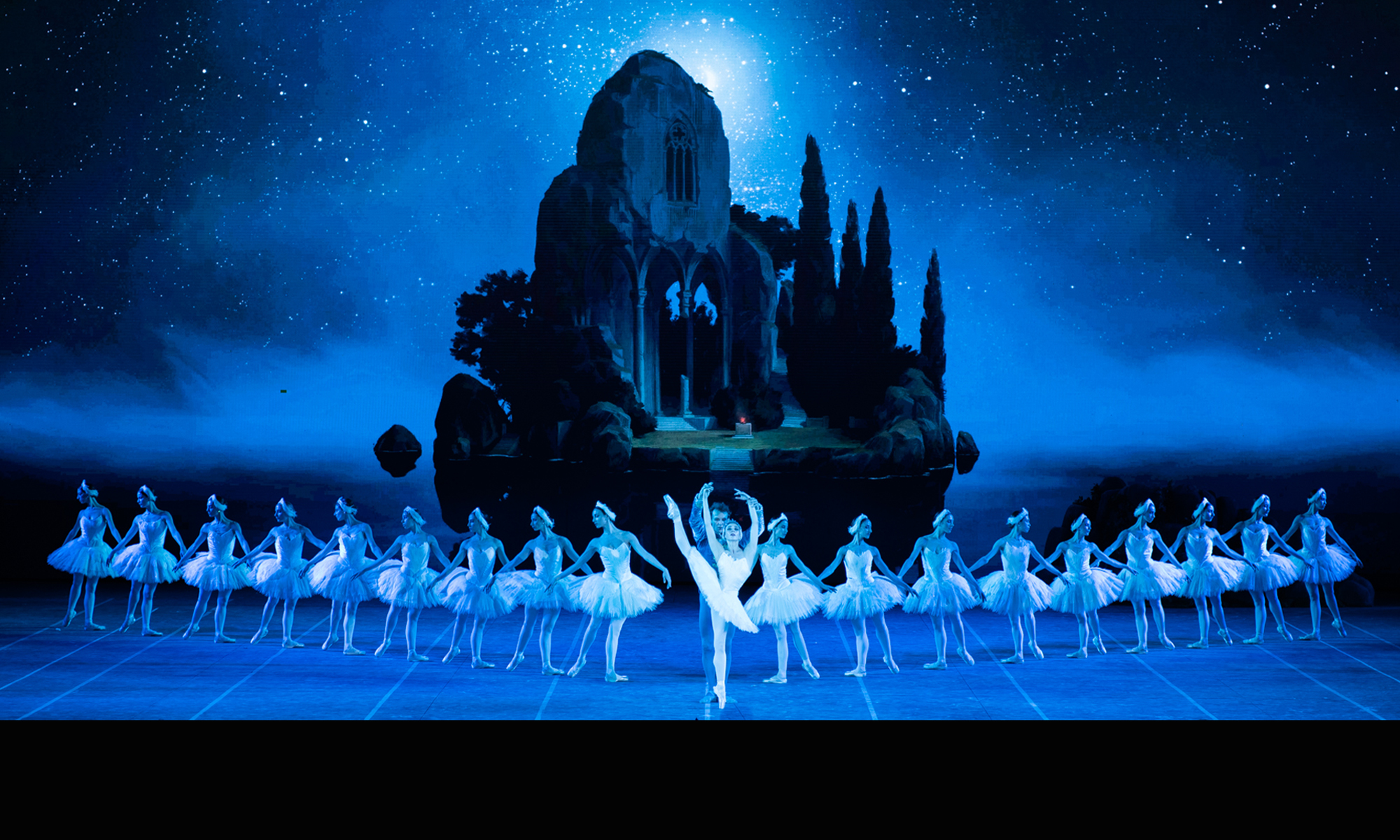
“Cinderella”
Tartar State Academic Ballet
Jalil Opera and Ballet Tartar State Academic Theatre
Kazan, Russia
May 11, 2026 (video)
by Ilona Landgraf
Copyright © 2026 by Ilona Landgraf
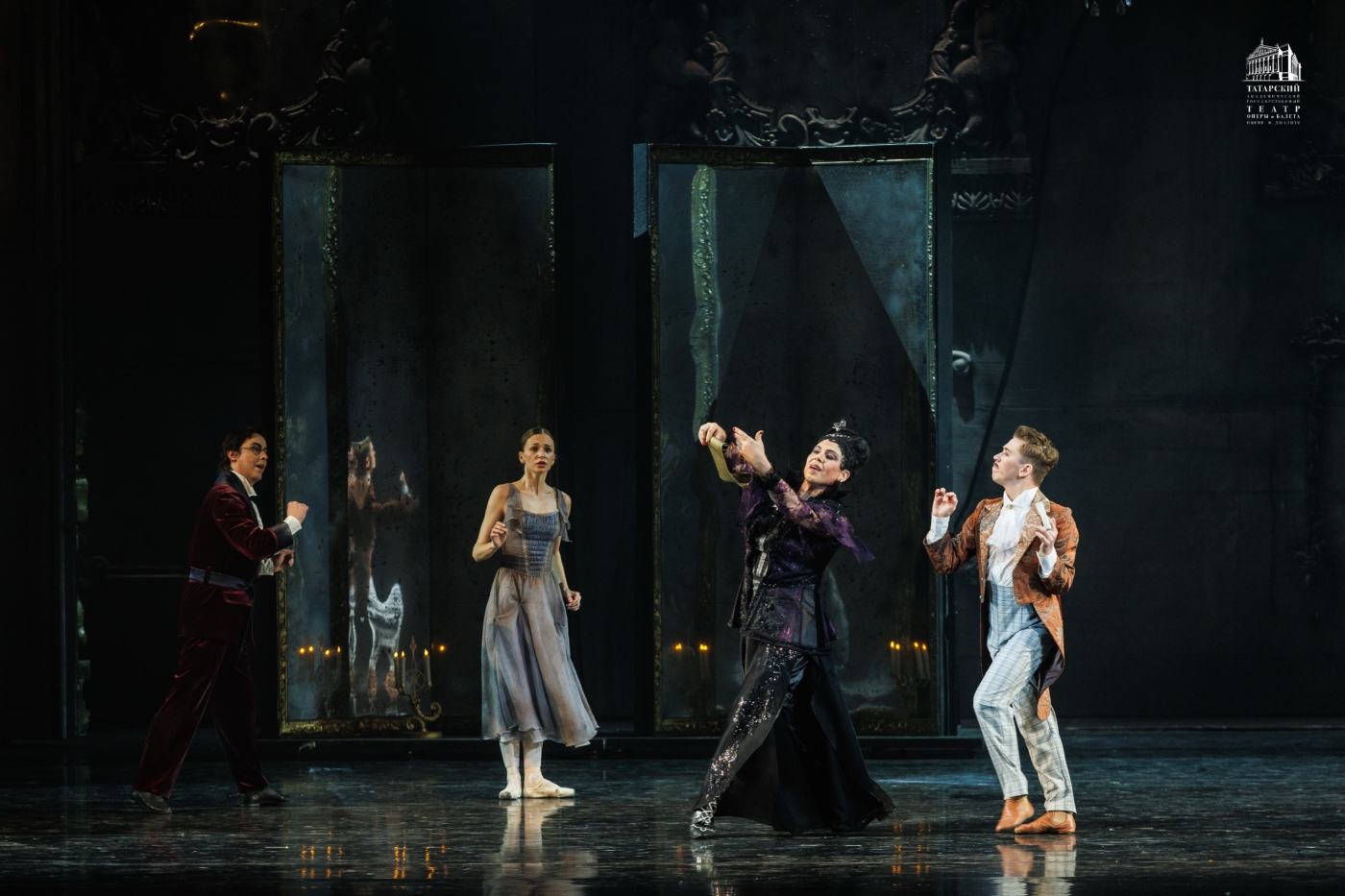 Romeo and Juliet is inextricably linked to Sergei Prokofiev’s (1891-1953) music, but it’s less well known that he also composed the score for Cinderella. The ballet was the Bolshoi Theatre’s first post-war world premiere in 1945. One year later, a lighter, more fairy tale-like version premiered at the Kirov Theatre (now Mariinsky Theatre) in Leningrad (now St. Petersburg). This year, Prokofiev would have celebrated his 135th birthday, and two new Cinderellas seem like respectable gifts. In mid-May, Nadezhda Kalinina’s version opened the 39th Rudolf Nureyev International Classical Ballet Festival in Kazan. Vyacheslav Lopatin’s debut choreography for his home company, the Bolshoi Ballet, followed closely on May 28th. I had the opportunity to watch a recording of Kazan’s Cinderella. Continue reading “Cosmic Plans”
