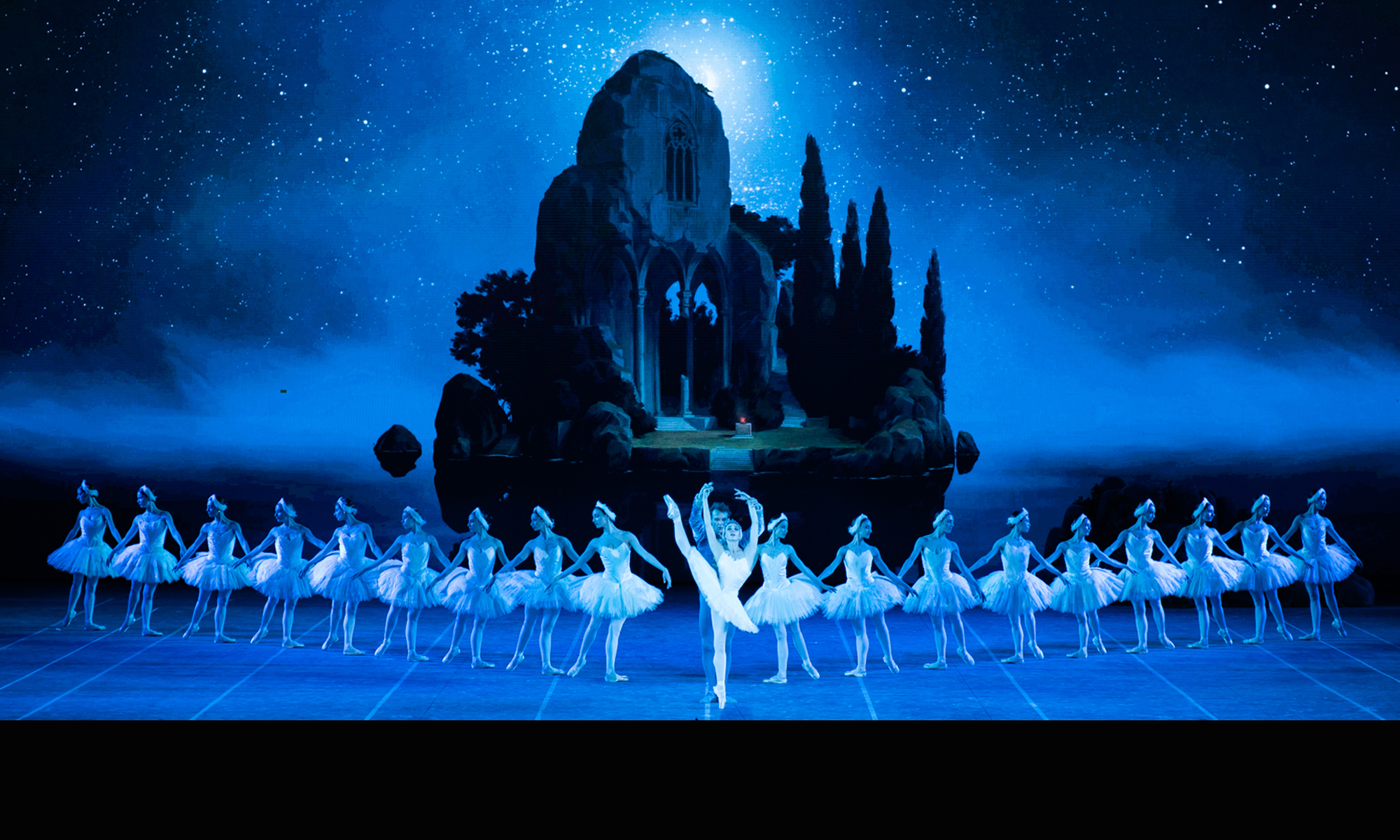
“The Era of Maya Plisetskaya”
Jewish Museum and Tolerance Center
Moscow, Russia
November 02, 2026
by Ilona Landgraf
Copyright © 2026 by Ilona Landgraf
 One year after Maya Plisetskaya would have celebrated her centenary, an exhibition at Moscow’s Jewish Museum and Tolerance Center brought her spirit back to life. The date coincides with the Bolshoi Theatre’s 250th anniversary, an institution with which she was a ballet icon.
Located in a spacious former bus garage and depot, the Jewish Museum and Tolerance Center serves multiple functions. It houses exhibitions, conferences, lectures, education programs for children and families, a research center for Jewish culture, a library, and a cozy cafe. Signposts help navigate the venue’s 8,500 square meters (not including the underground exhibition space). Bare brick walls and clear, modern interior design create a space in which thinking freely feels safe.
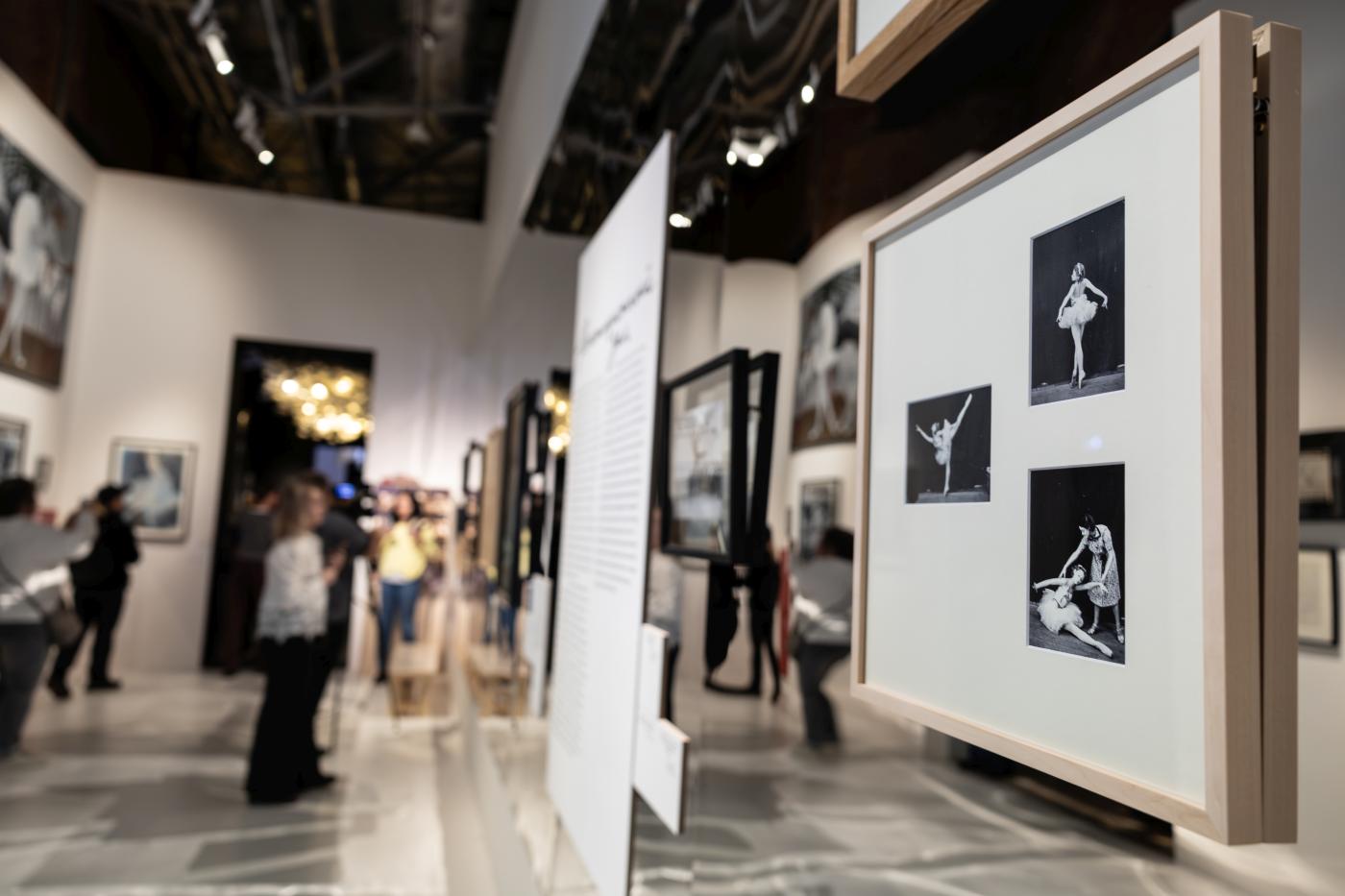
 The Era of Maya Plisetskaya exhibition stretches through a long series of small rooms, which were crowded on the day I visited the museum. Black walls create a sense of backstage privacy. The only room with bright, white walls and a wall-sized mirror represents a rehearsal studio, where Maya takes company class at the Bolshoi on a video screen. In a small photo, her colleagues–––Vyacheslav Gordeev, Ekaterina Maximova, and Vladimir Vasiliev–––pose next to her at the barre.
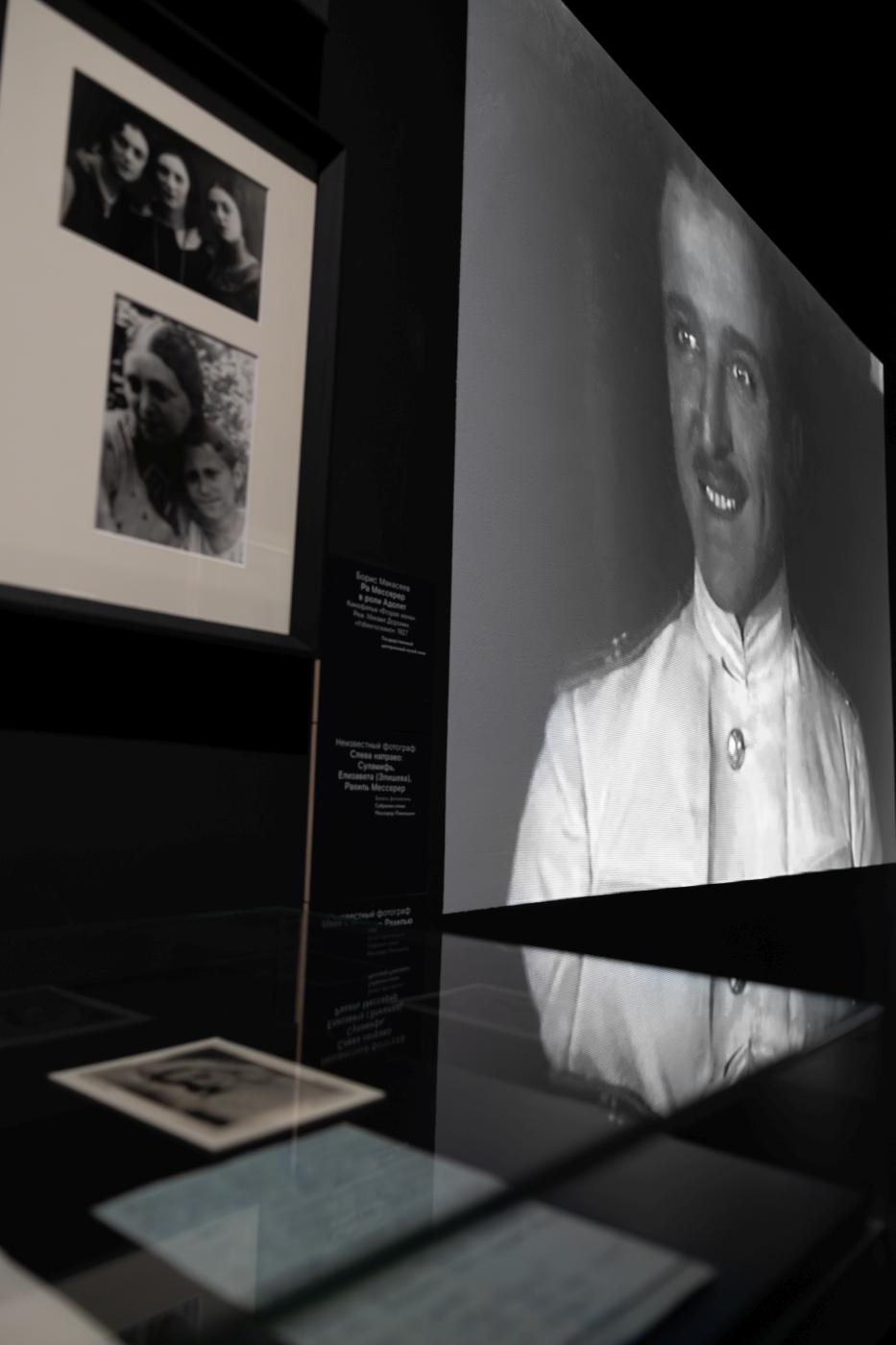
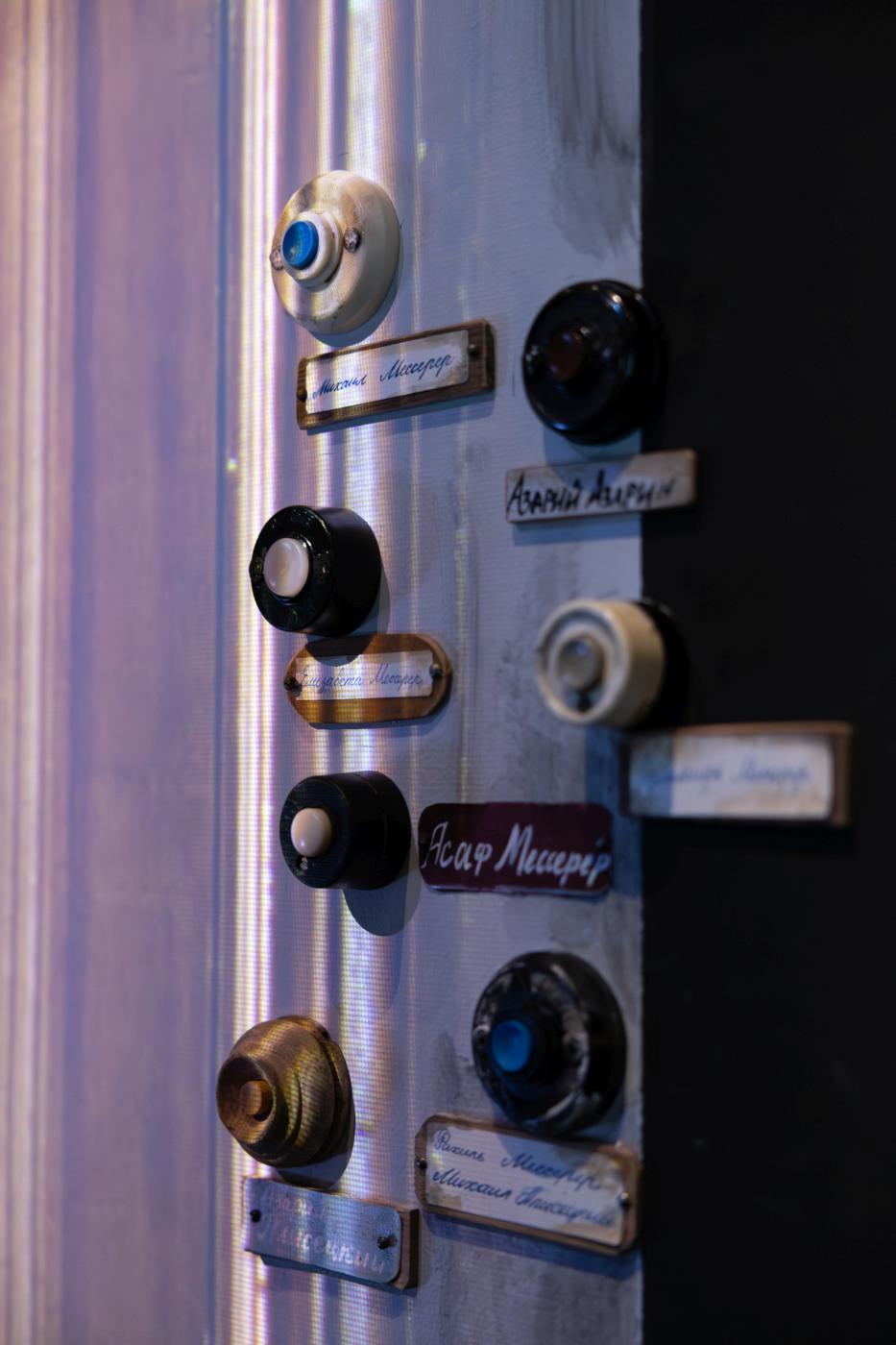
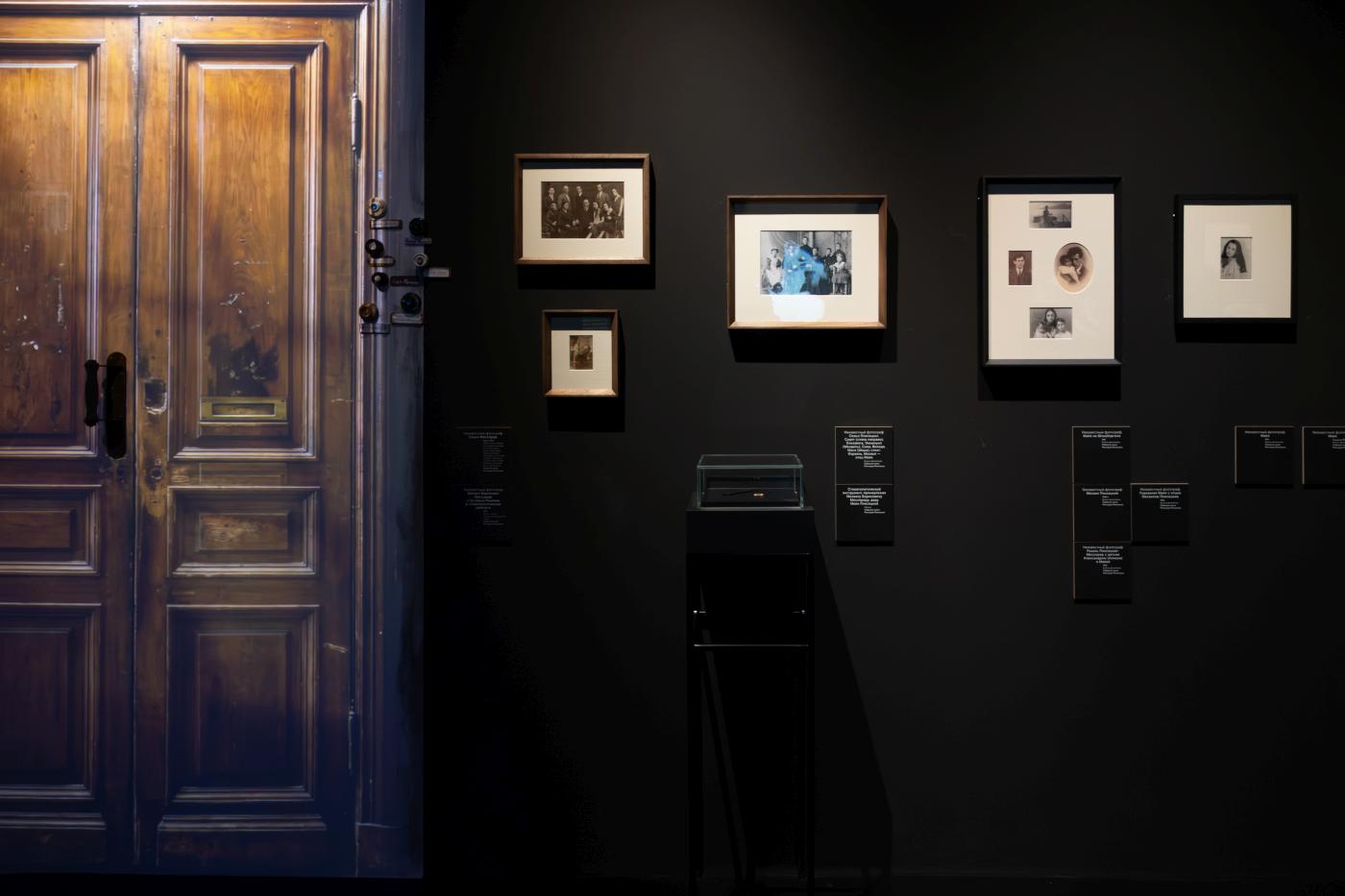
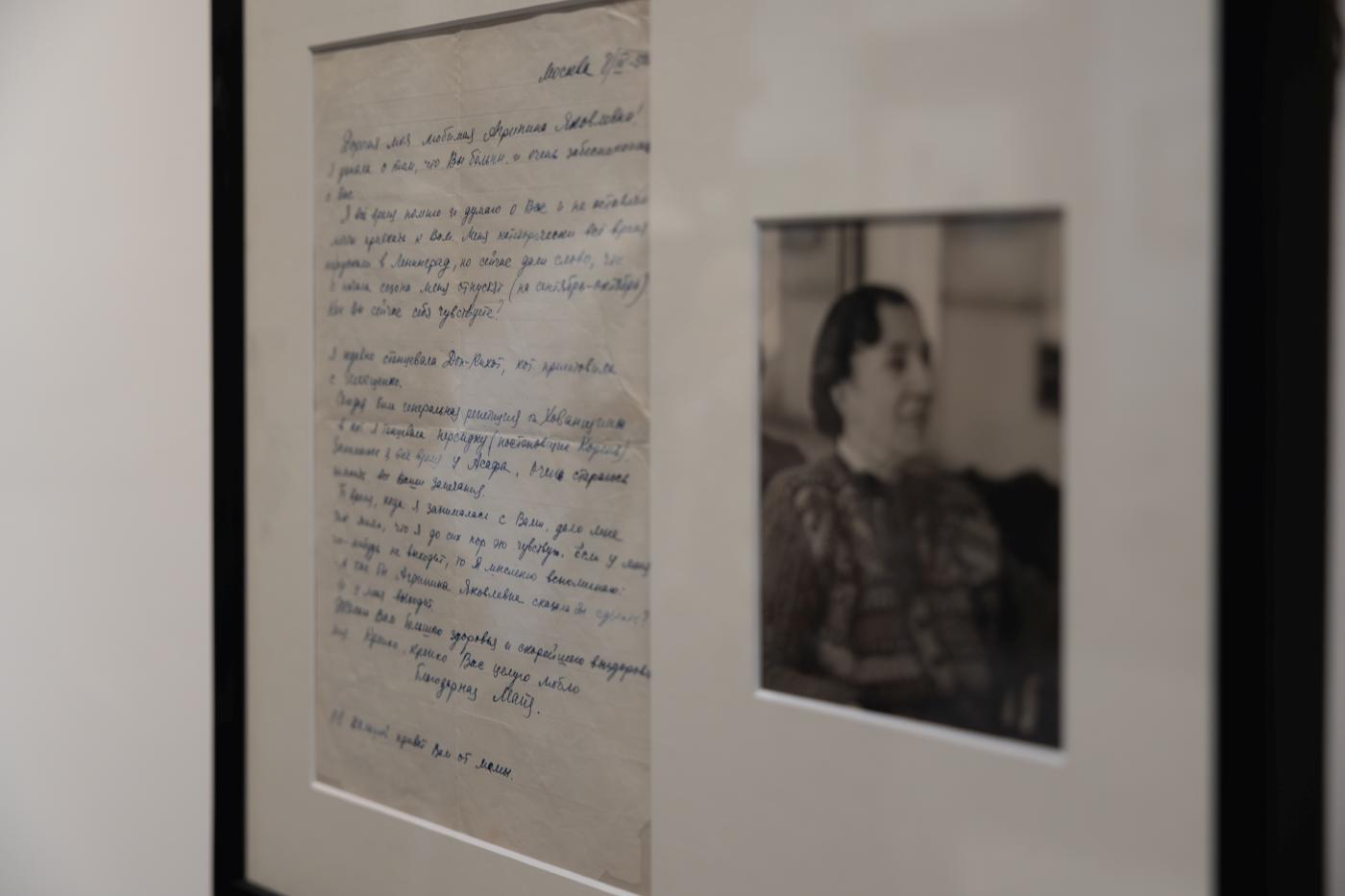 The first room dives into Maya’s family history. She belongs to the Messerer family, a dynasty rooted in the arts. Several doorbells, all installed at the same wooden doorframe, list the handwritten names of family members: Maya’s grandfather, Mikhail Messerer (a dentist), her uncle, Azariy Azarin (a prominent Russian actor), her mother, Rachel (who later became involved in cinema), her uncle, Asaf Messerer (an outstanding principal of the Bolshoi Ballet), and her brother, Azariy Plisetsky (who worked internationally as a choreographer and ballet teacher). He granted the museum access to personal family archives. One doorbell bears the name of
 Sulamith Messerer, Maya’s aunt. She was a famous Bolshoi ballerina and rescued her sister Rachel, together with her children, from an eight-year exile at a Kazakh camp to which Rachel had been sentenced after her husband’s execution. At her arrest in 1938, Maya was twelve years old. One visitor reflexively rang the bell, but there was no tone.
Among the many family photos, documents, and artifacts in this room are Mikhail Messerer’s dental instruments, a photo of Messerer standing next to a patient, the official certificate of Rachel’s arrest, imprisonment, and subsequent release, and a document concerning the execution and official rehabilitation of her husband, Mikhail. The charges against him turned out to be false.
 The next room shows a large video screen on which Maya dances up close. Whether as Mekhmene Banu (from A Legend of Love) or Kitri, the intensity of her performances gets under one’s skin. I was about to applaud her after the Kitri variation, so infectious was her gaiety.
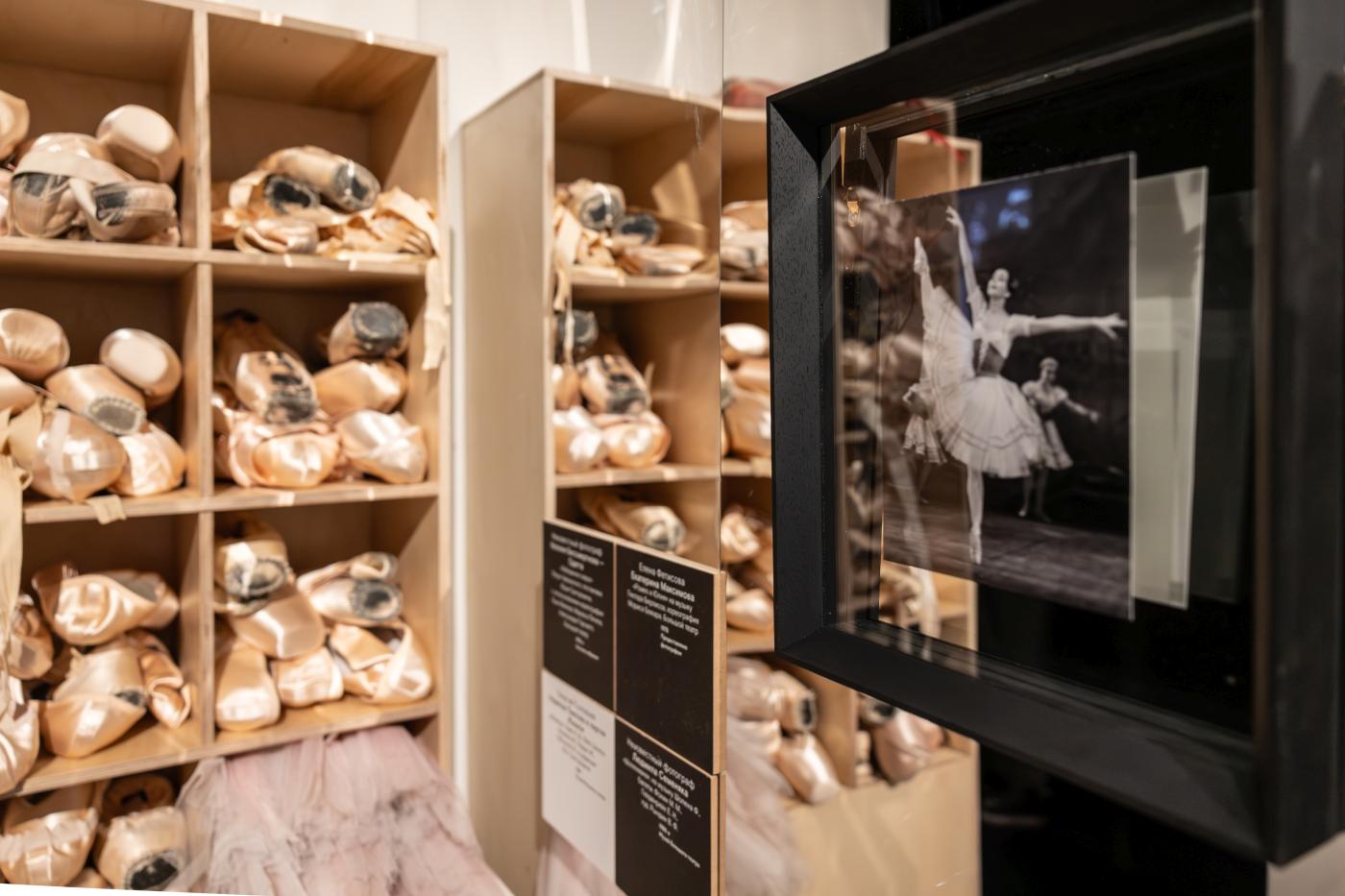
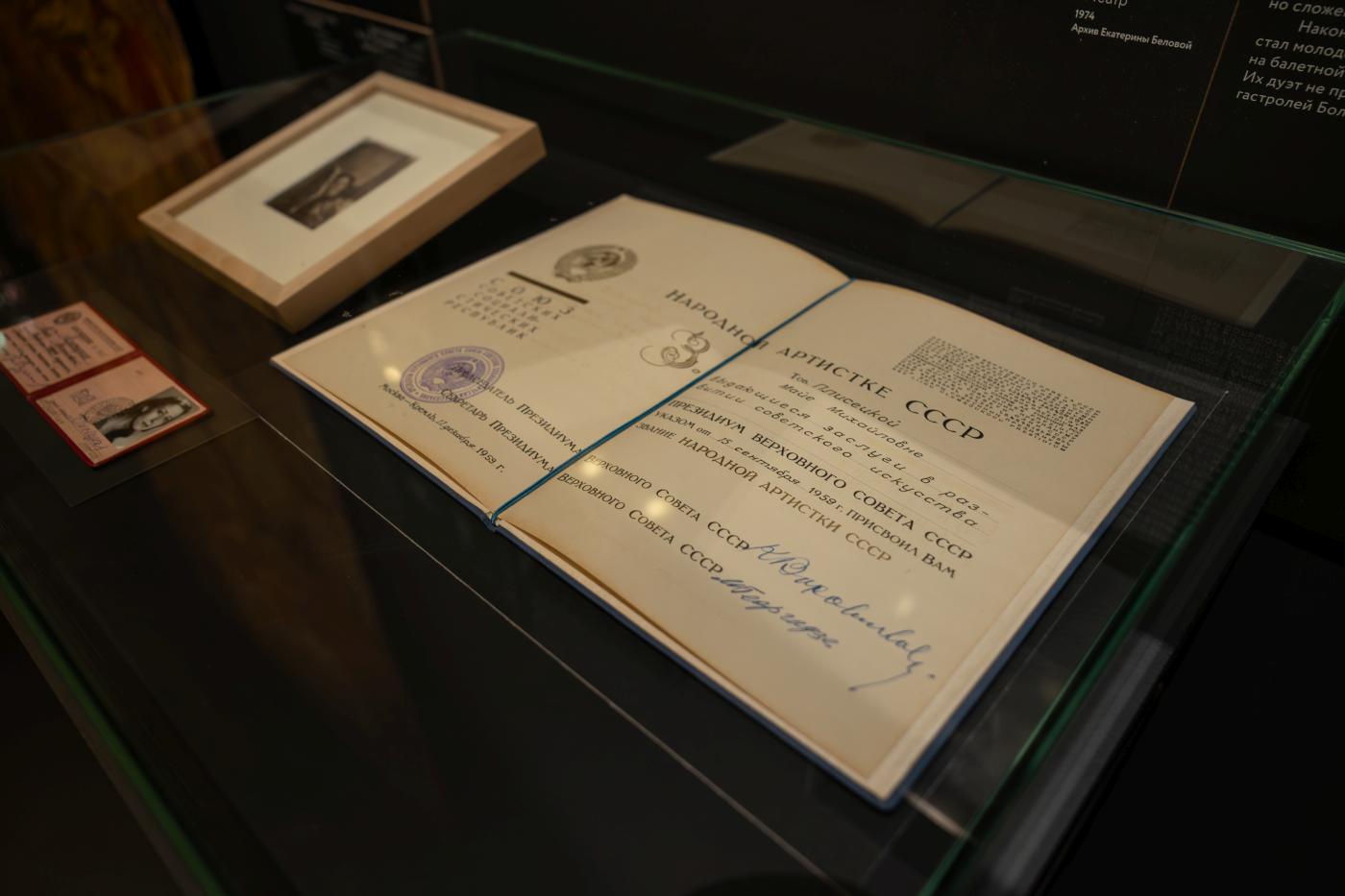
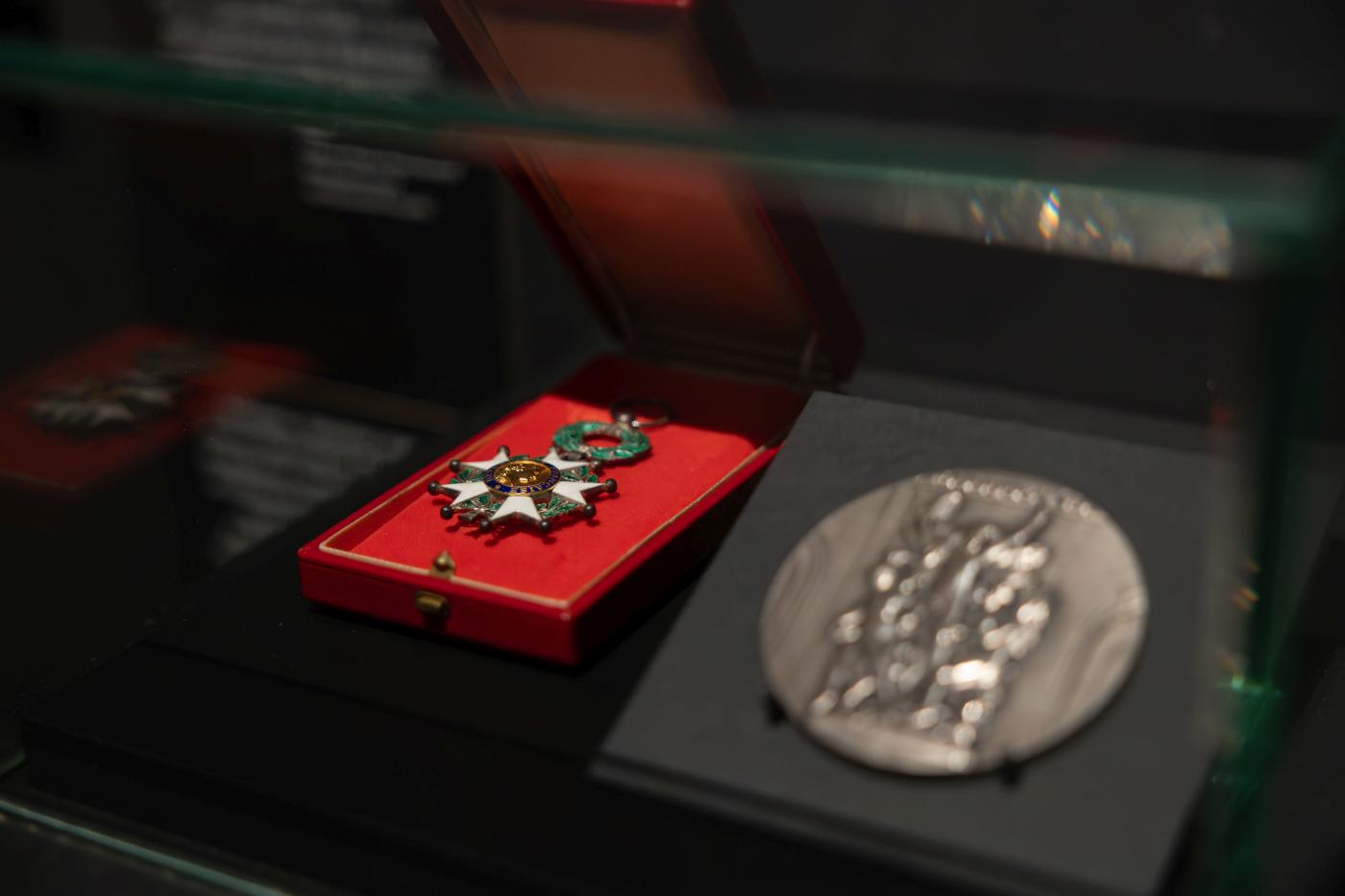
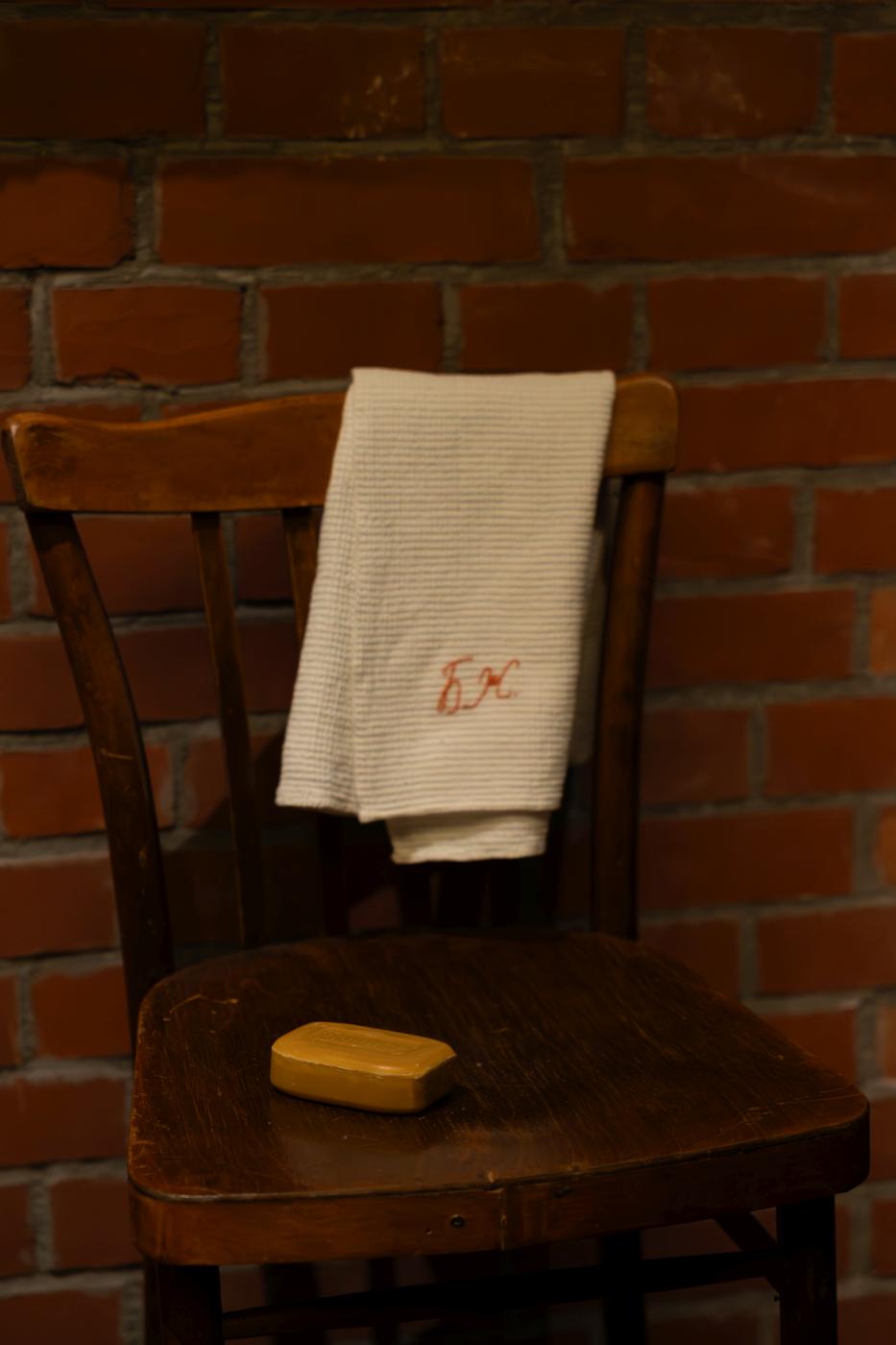 Some text panels in this room reveal fascinating details about practices at the Bolshoi Theatre. For example, the simple, wooden chair with the whitish waffle-textured towel and a piece of soap shows parts of the kit allocated to dancers during the Soviet era (the towel was for removing stage makeup and the “unpleasant-smelling” soap was for laundry). The 1959 decree by the Presidium of the Supreme Soviet of the USSR displayed next to the soap and the towel awards “comrade Plisetskaya” the honorary title of People’s Artist of the USSR. (Among the numerous awards she later received was the “Order for Merit to the Fatherland, 1st class” in 2006.)
 She had a complicated relationship with political authorities. A tiny facet of this might be represented by Daniil Badaev’s 2026 peep box, The Government Box of the Bolshoi Theatre. It is small and easy to miss, but the visitors who noticed it looked through the peephole with amused interest. Inside, a heavily decorated official stands in the Bolshoi’s Imperial Box welcoming various state visitors. State flags are raised and lowered (depending on which visitors the official waves toward the audience), the KGB searches the box, and a waitress serves canapés. When feeling unobserved, the official smokes.
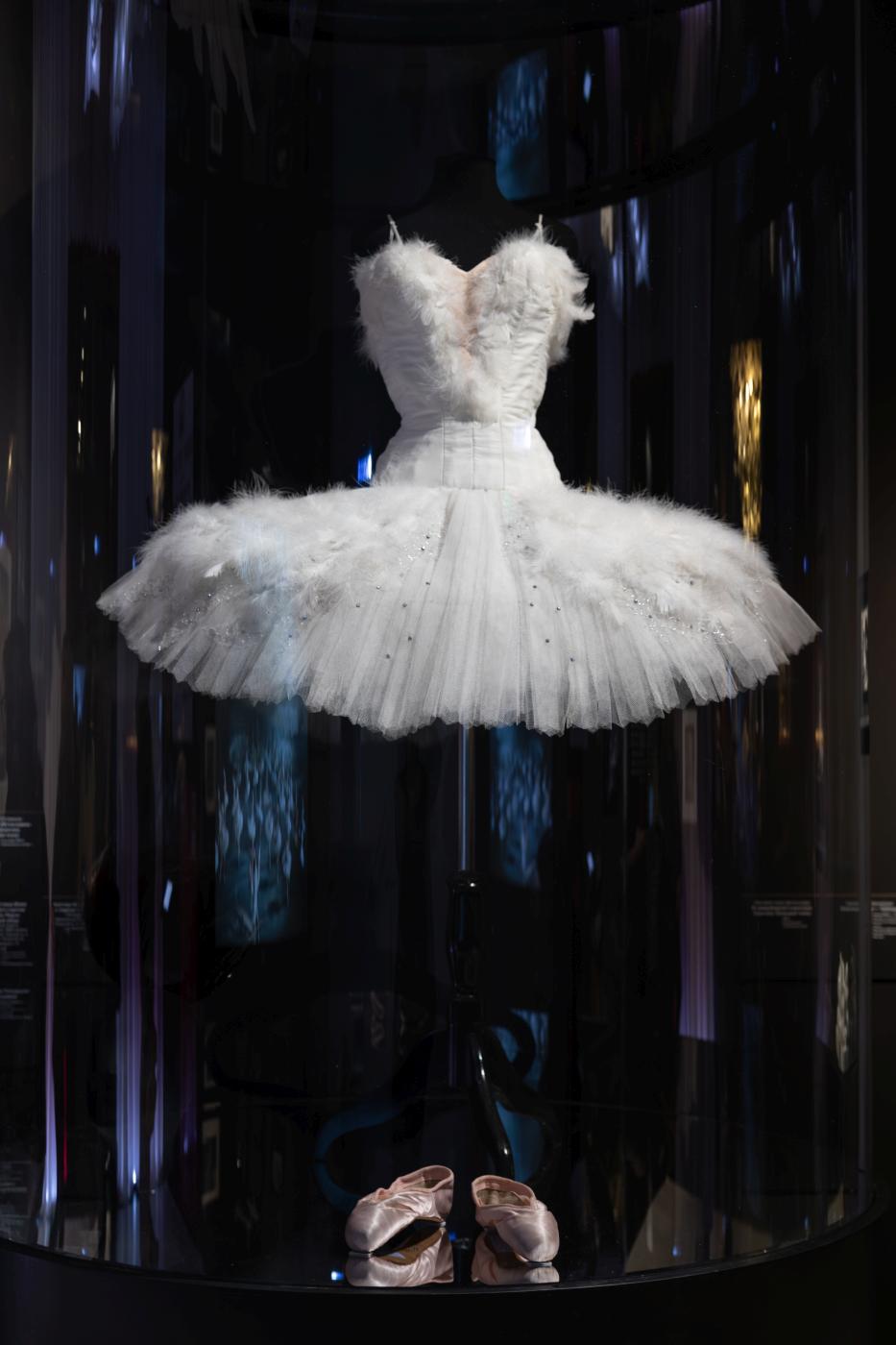
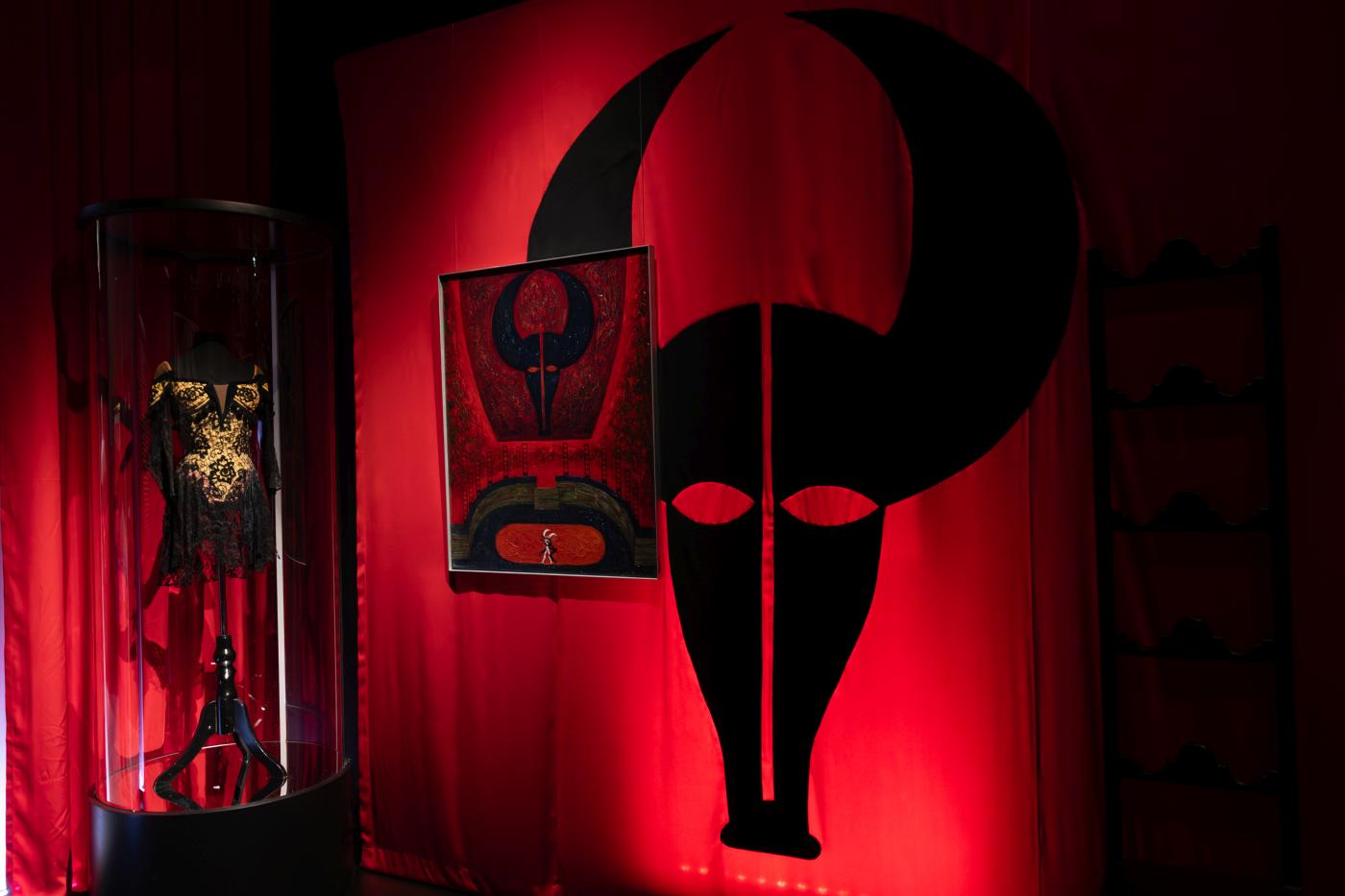
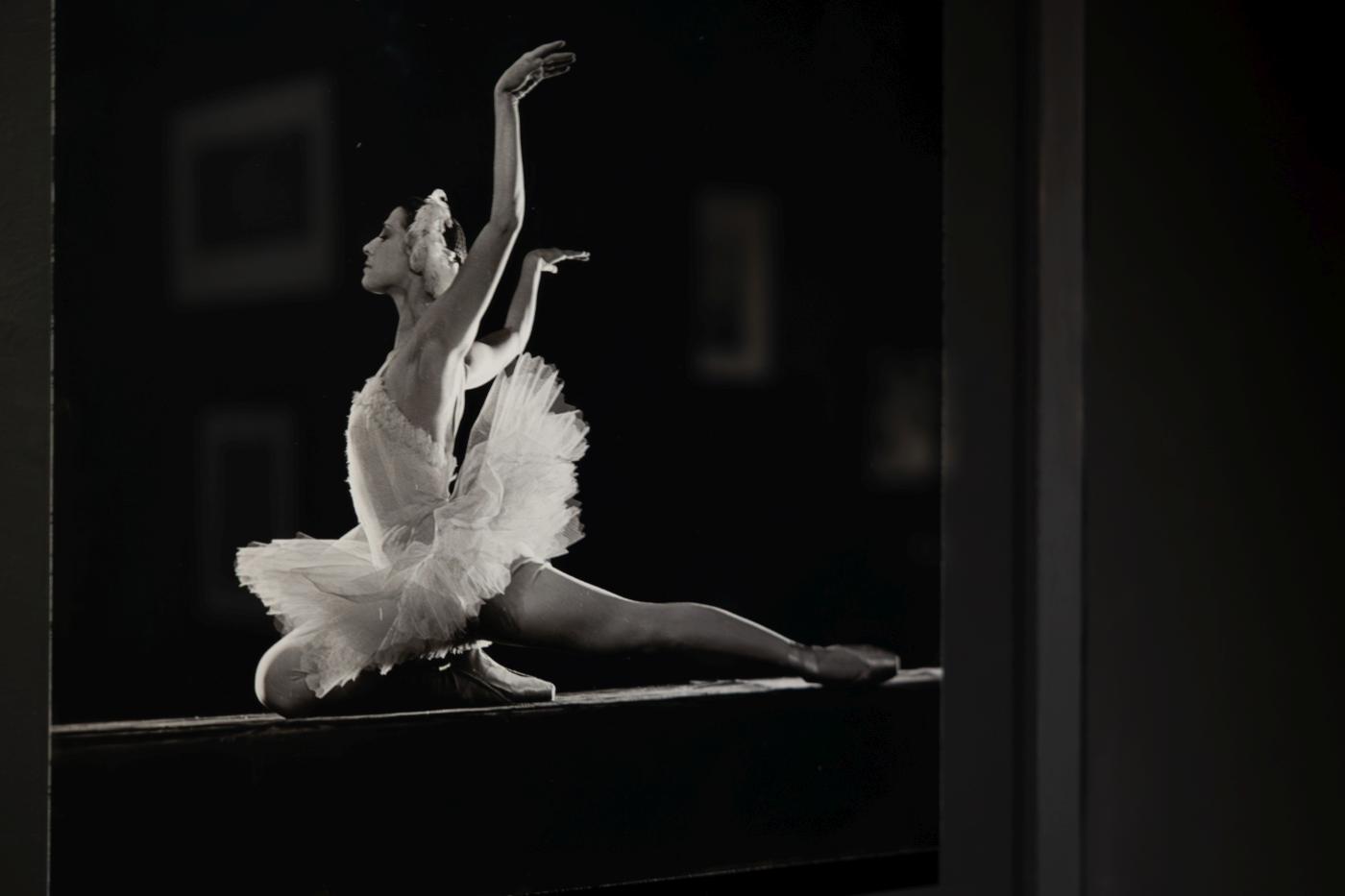 Many exhibits remind of Maya’s magnetic performances as the Dying Swan, Odette and Odile, Zarema in The Fountain of Bakhchisaray, La Mélodie in Maurice Béjart’s Boléro, or Carmen. Red curtains lead into the half-darkened room dedicated to Alberto Alonso’s Carmen Suite. The space feels like a miniature of a heated bull ring, given the replica of the backdrop’s black bull’s head printed on shiny red fabric, the Spanish ladder-back chairs, and Rodion Shchedrin’s music playing over the loudspeakers.
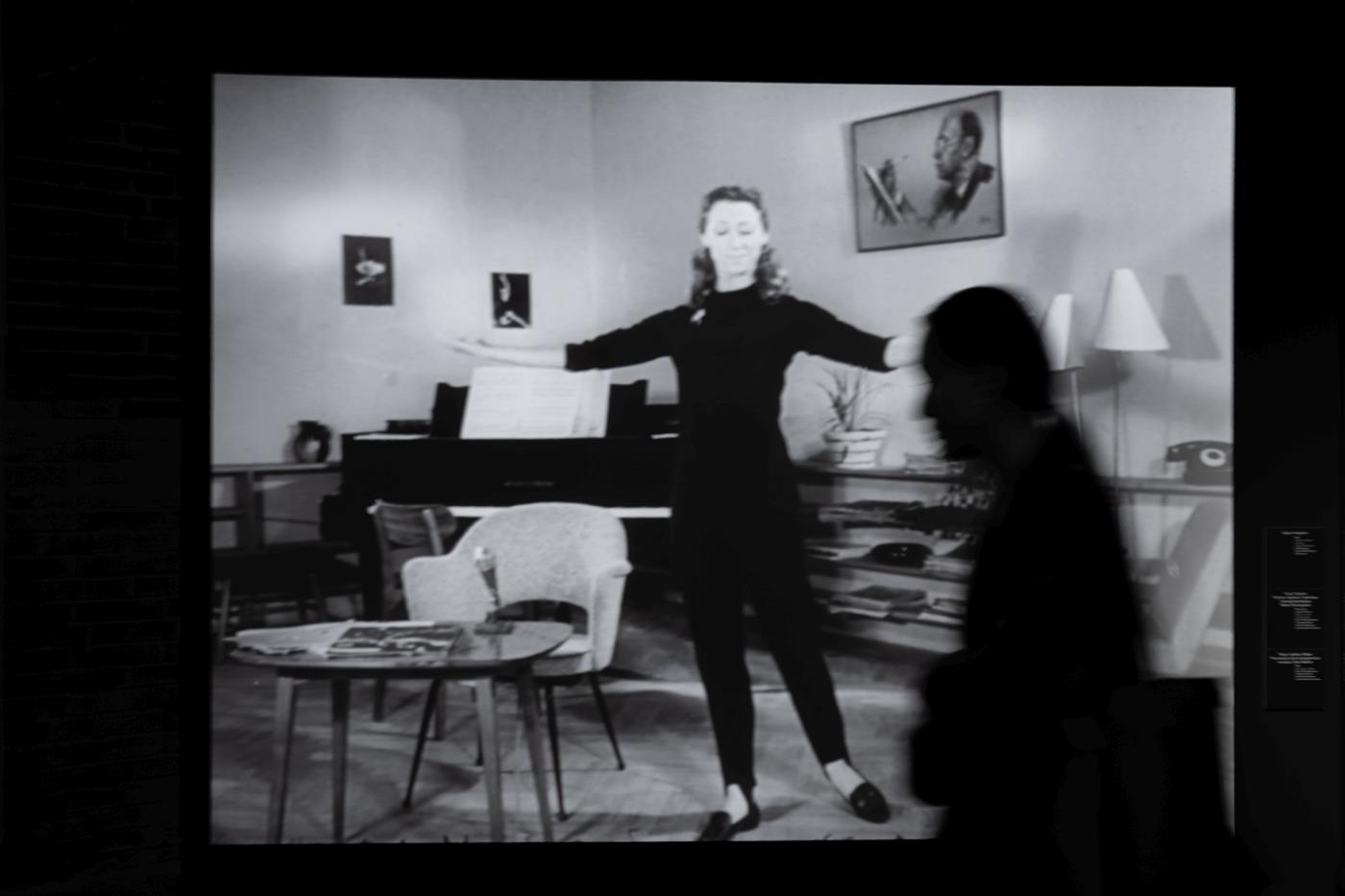 Upon entering the final room, the video on the opposite side instantly caught my eye. It showed Maya demonstrating arm sequences with stunning clarity and expressiveness. In some comical clips, she either fooled around with a man on a gravel path or played the fool for the camera, drinking tea from the spout (at which she cracked up with laughter).
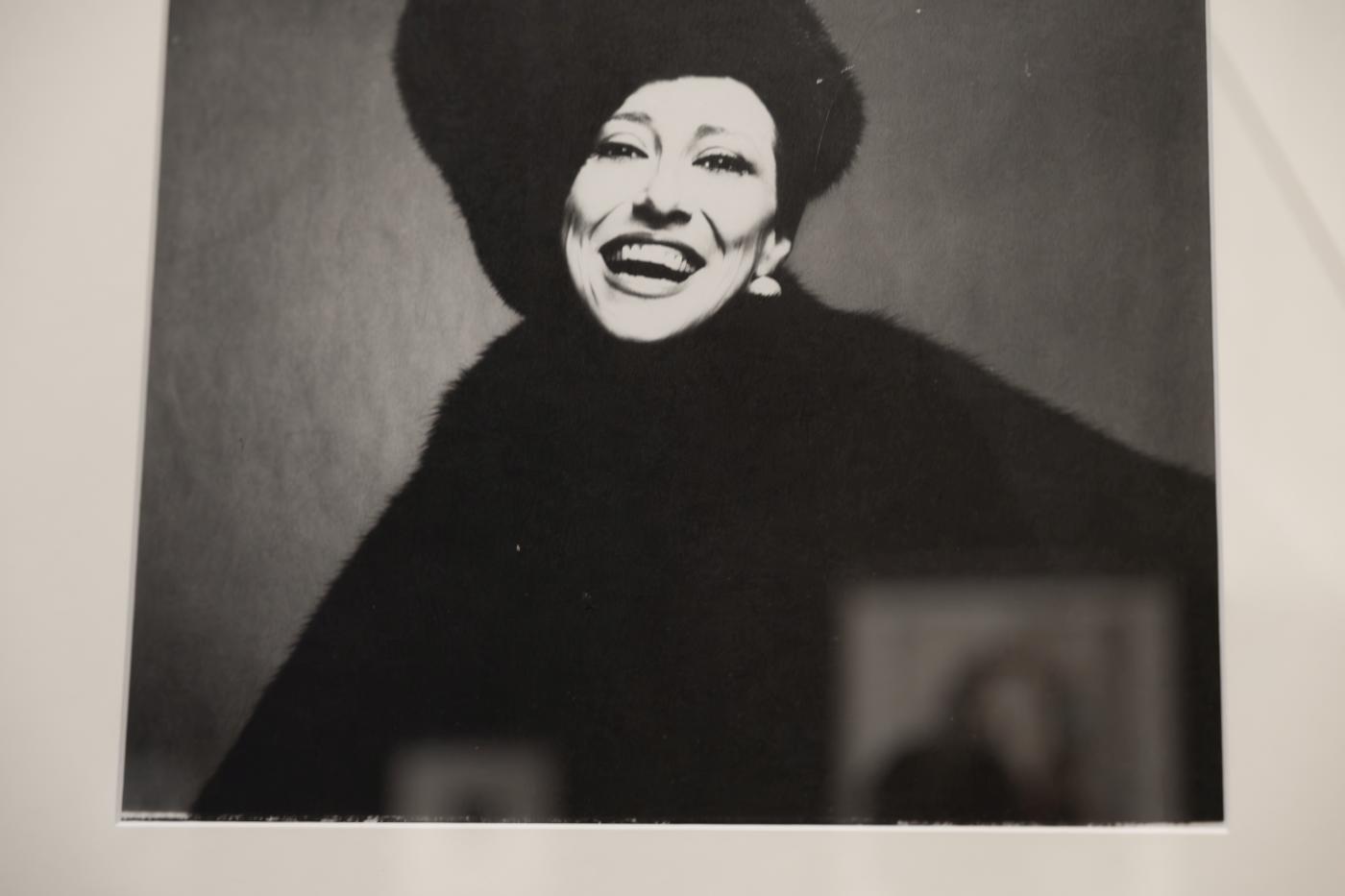
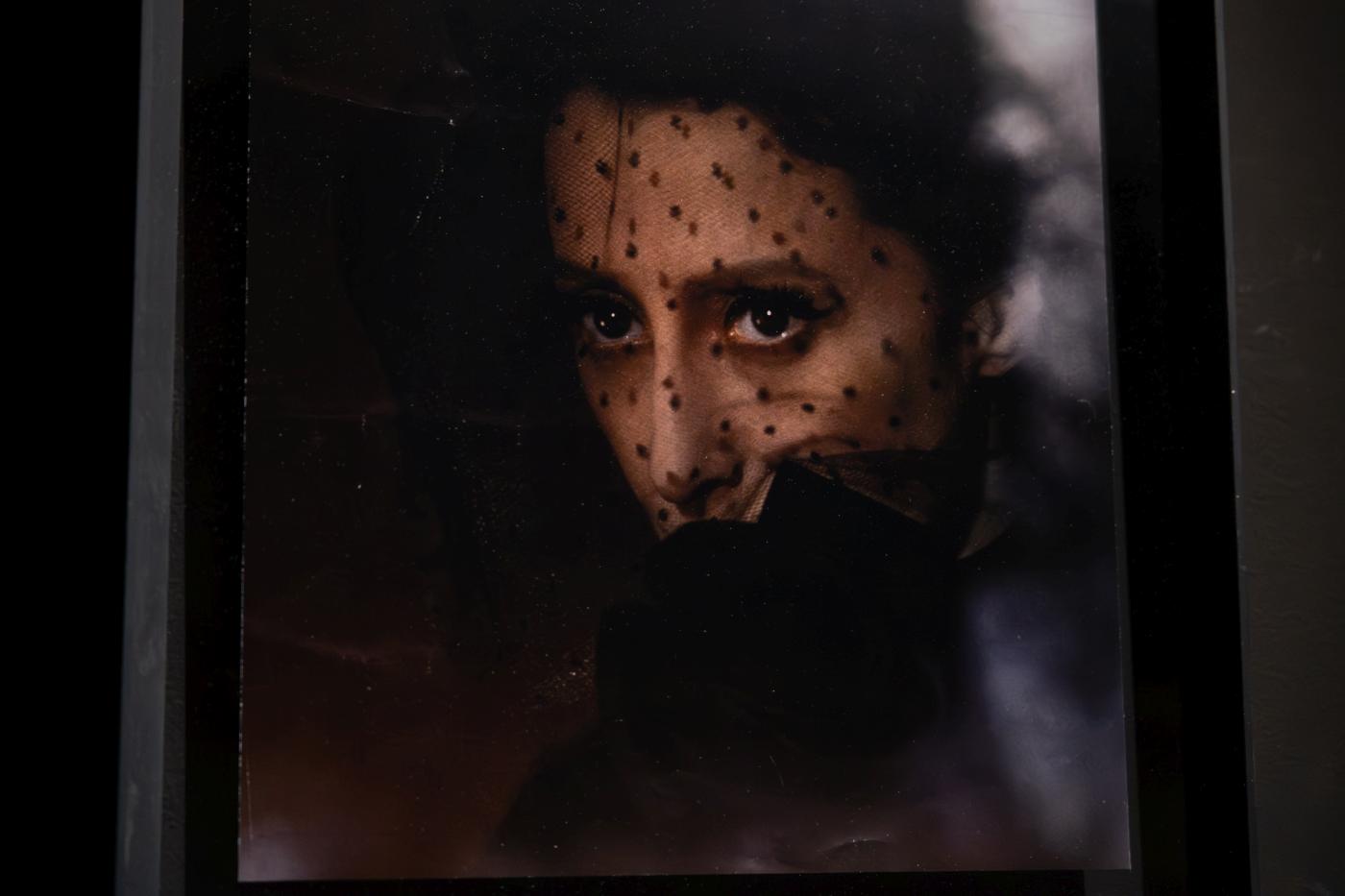 Many films featured her (Anna Karenina, among others), and glamorous magazines and photographers were after her, including Harper’s Bazaar, Vogue, Cecil Beaton, Irving Penn, and Richard Avedon. A major 1984 Vogue essay described her as the greatest dramatic ballerina since Anna Pavlova.
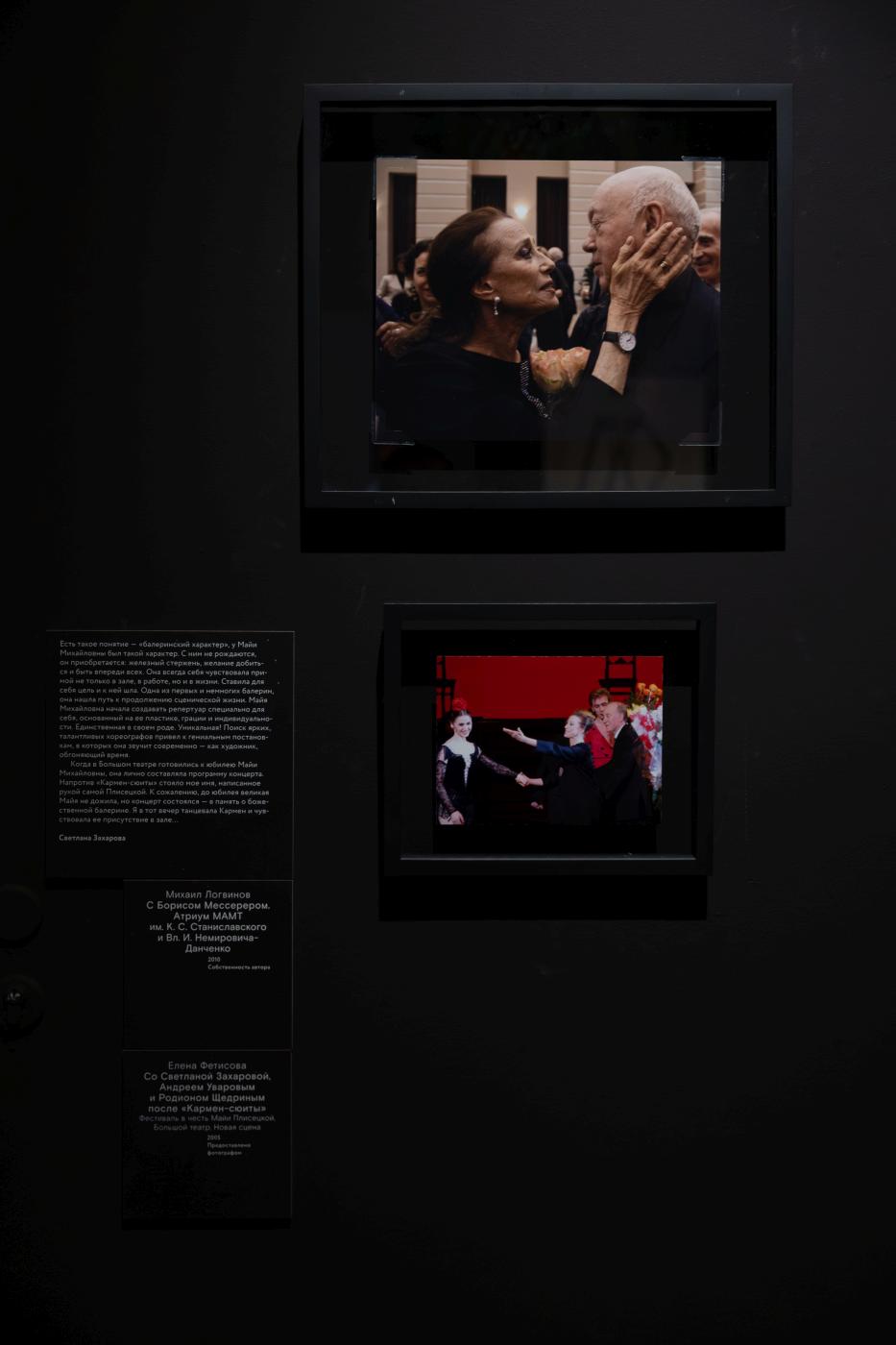
 In her memoir, I, Maya Plisetskaya, she writes, “And you cannot be born a second time, just as you cannot live your life over again as your former self. And I lived. I can honestly say that to myself…I did not break or give up.” That’s her main accomplishment.
The Era of Maya Plisetskaya runs until February 14, 2027.
| Links: | Website of the Jewish Museum and Tolerance Center | |
| Website of the Bolshoi Theatre | ||
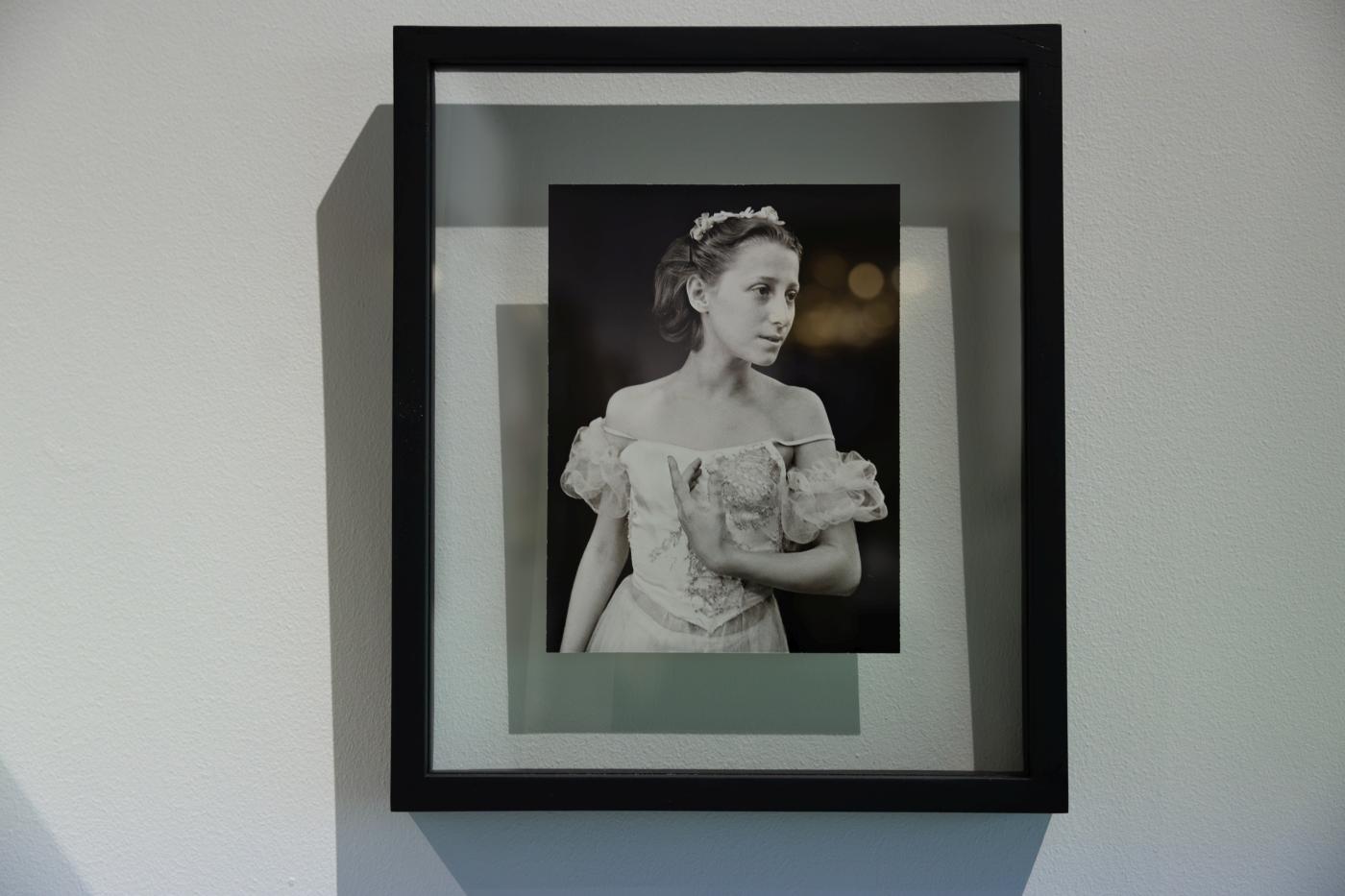
| Photos: | 1. | Maya Plisetskaya as Student of the Choreographic School, “The Era of Maya Plisetskaya”—Jewish Museum and Tolerance Center 2026 |
| 2. | Doorbells of the Messerer Family and family photos, “The Era of Maya Plisetskaya”—Jewish Museum and Tolerance Center 2026 | |
| 3. | Doorbells of the Messerer family, “The Era of Maya Plisetskaya”—Jewish Museum and Tolerance Center 2026 | |
| 4. | Exhibits from the private archive, “The Era of Maya Plisetskaya”—Jewish Museum and Tolerance Center 2026 | |
| 5. | Exhibits from the private archive, “The Era of Maya Plisetskaya”—Jewish Museum and Tolerance Center 2026 | |
| 6. | A glimpse into the exhibition’s “rehearsal studio,” “The Era of Maya Plisetskaya”—Jewish Museum and Tolerance Center 2026 | |
| 7. | Maya Plisetskaya’s pointe shoes, “The Era of Maya Plisetskaya”—Jewish Museum and Tolerance Center 2026 | |
| 8. | Maya Plisetskaya’s pointe shoes, “The Era of Maya Plisetskaya”—Jewish Museum and Tolerance Center 2026 | |
| 9. | Exhibits, “The Era of Maya Plisetskaya”—Jewish Museum and Tolerance Center 2026 | |
| 10. | Stage accessories, “The Era of Maya Plisetskaya”—Jewish Museum and Tolerance Center 2026 | |
| 11. | Certificate awarding the honorary title of “People’s Artist of the USSR”, 1974, “The Era of Maya Plisetskaya”—Jewish Museum and Tolerance Center 2026 | |
| 12. | National Order of the Legion of Honour, France, “The Era of Maya Plisetskaya”—Jewish Museum and Tolerance Center 2026 | |
| 13. | Maya Plisetskaya, “The Era of Maya Plisetskaya”—Jewish Museum and Tolerance Center 2026 | |
| 14. | Tutu of Maya Plisetskaya, “The Era of Maya Plisetskaya”—Jewish Museum and Tolerance Center 2026 | |
| 15. | A glimpse into the exhibition’s “Carmen Suite,” “The Era of Maya Plisetskaya”—Jewish Museum and Tolerance Center 2026 | |
| 16. | Maya Plisetskaya delivers a lecture for the camera, “The Era of Maya Plisetskaya”—Jewish Museum and Tolerance Center 2026 | |
| 17. | Maya Plisetskaya as Anna Karenina, “The Era of Maya Plisetskaya”—Jewish Museum and Tolerance Center 2026 | |
| 18. | Maya Plisetskaya, “The Era of Maya Plisetskaya”—Jewish Museum and Tolerance Center 2026 | |
| 19. | Maya Plisetskaya with Boris Messerer (Stanislavsky and Nemirovich-Danchenko Moscow Academic Music Theatre (MAMT). 2010, photo by Mikhail Logvinov) and with Svetlana Zakharova, Andrei Uvarov and Rodion Shchedrin after “Carmen Suite” (Bolshoi Theatre, 2010, photo by Elena Fetisova), “The Era of Maya Plisetskaya”—Jewish Museum and Tolerance Center 2026 | |
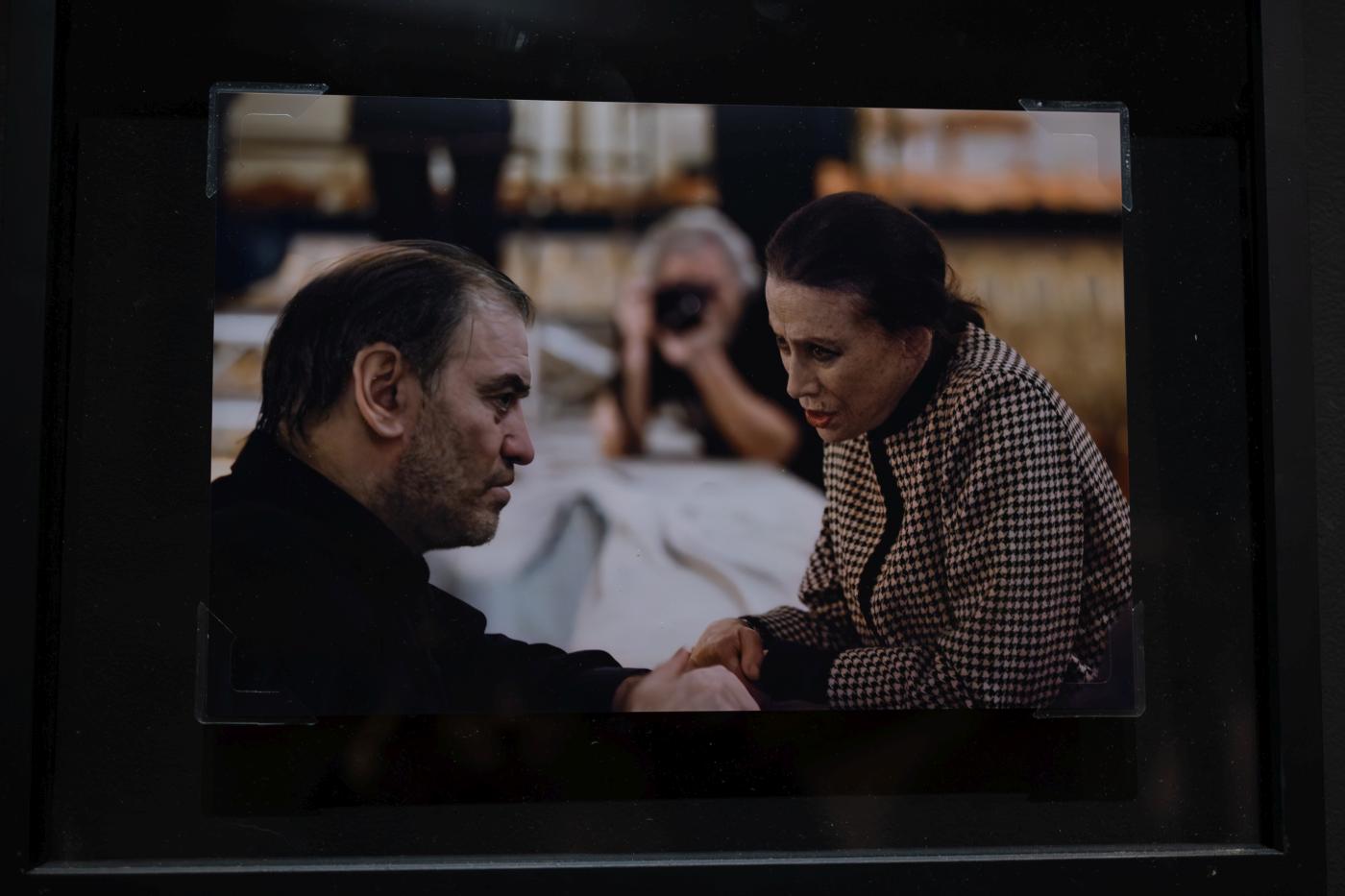
| 20. | Maya Plisetskaya with Valery Gergiev, “The Era of Maya Plisetskaya”—Jewish Museum and Tolerance Center 2026 | |
| all photos © Jewish Museum and Tolerance Center/Ekaterine Hristova | ||
| Editing: | Kayla Kauffman |