Legendary

“Swan Lake”
Bolshoi Ballet
Bolshoi Theatre
Moscow, Russia
September 7 and 8, 2026 (Historic Stage)

by Ilona Landgraf
Copyright © 2026 by Ilona Landgraf
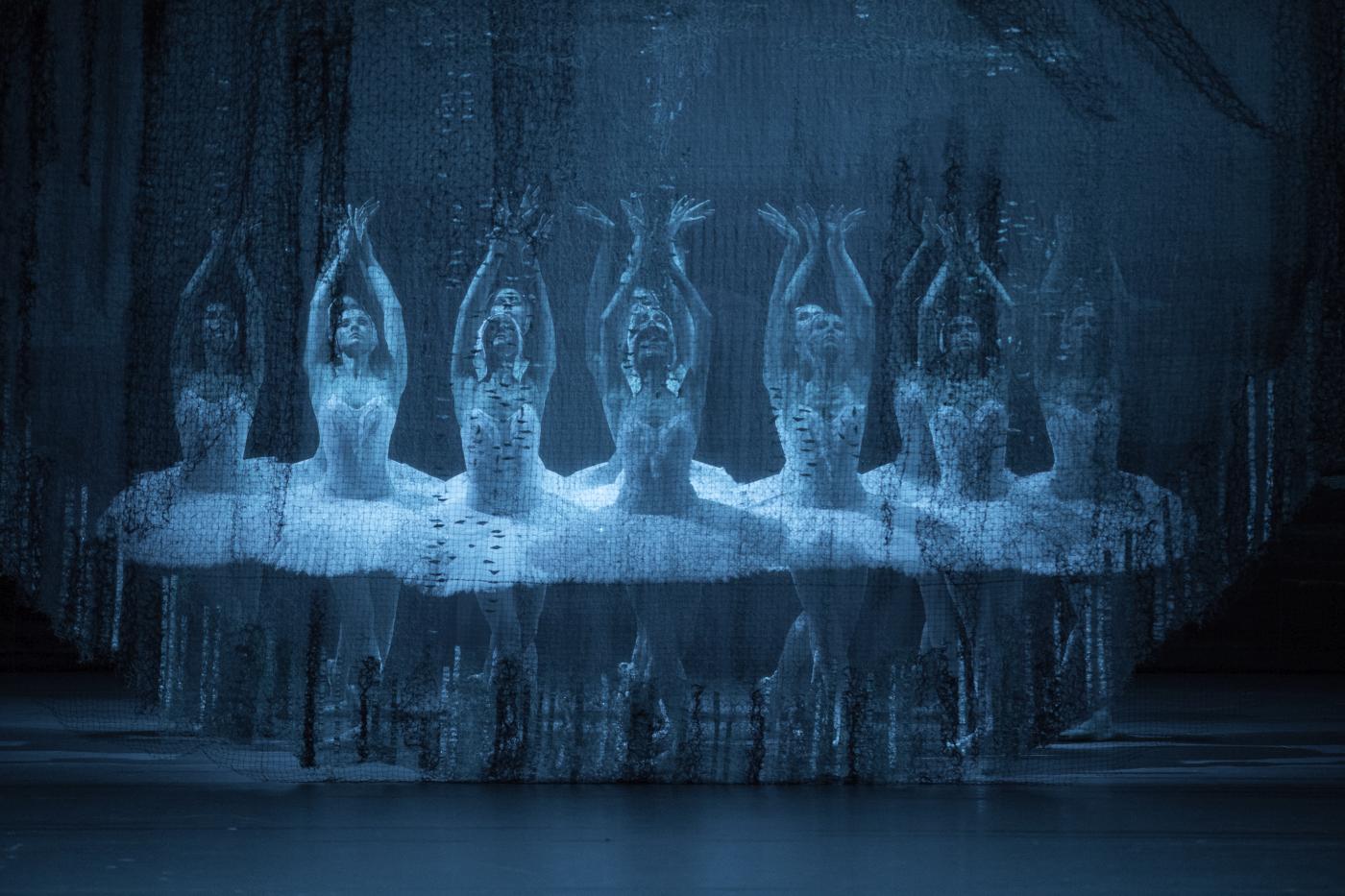
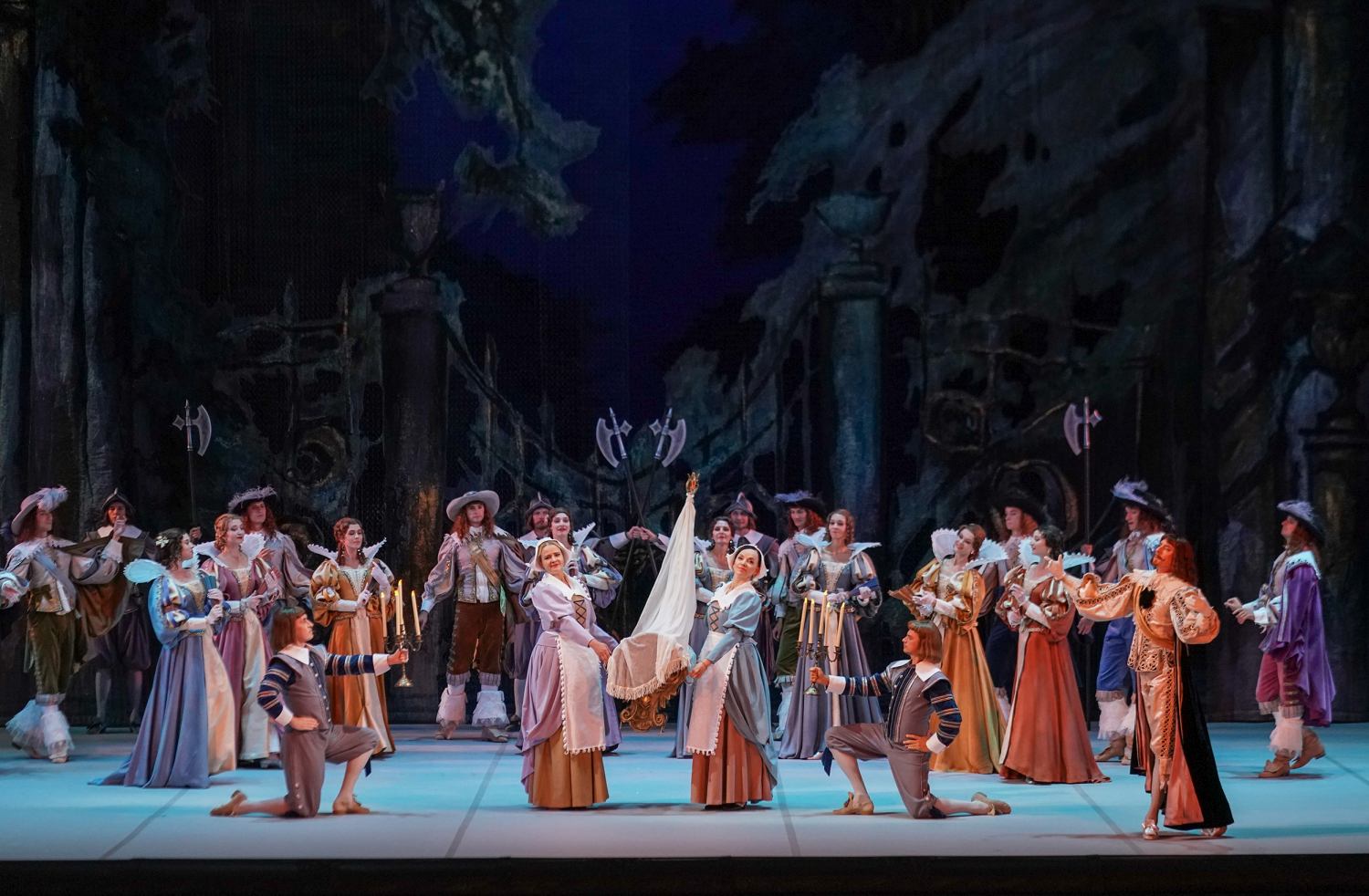
1. Ensemble, “Swan Lake” by Y.Grigorovich, Bolshoi Ballet 2026 © Bolshoi Theatre/N.VoronovaThe Bolshoi Ballet is legendary for its Swan Lake. The first performance took place in 1877, almost one hundred and fifty years ago. This September, the swans danced for the 1,868th time, which translates to roughly thirteen Swan Lakes per year. Since 2001, the company has performed Yuri Grigorovich’s version, which includes scenes by Marius Petipa, Lev Ivanov, and Alexander Gorsky.

Grigorovich’s Swan Lake is grand. Its concepts and ideals represent the highest achievements of humanity and culture—dignity, decorum, grace, love, and unmatched beauty—and it shows how easily human nature can be led awry. Compared to Vladimir Bourmeister’s Swan Lake at the Stanislavsky Theatre, a ballet that reveals the protagonists’ inner life like none I’ve seen so far, Grigorovich portrays them as emblematic figures in an allegory, the sad ending of which Tchaikovsky’s prologue forebodes.

3. A.Denisova (Odile), “Swan Lake” by Y.Grigorovich, Bolshoi Ballet 2026 © Bolshoi Theatre/M.Logvinov 2. D.Moseyeva (Odette), “Swan Lake” by Y.Grigorovich, Bolshoi Ballet 2026 © Bolshoi Theatre/D.Yusupov For the first act, Simon Virsaladze designed a Gothic castle of majestic height. Its trombone players are positioned in mirror image and wear partly red livery that conveys the court’s harmonious order. The entrance of twelve couples, along the line of which Prince Siegfried jetés in, infuses the stage with dynamism. Soaring high, he combines prowess with elegance. The lakeside to which Rothbart (“The Evil Genius”) directs him like a puppeteer is lit by gray moonlight and streaked with wisps of cloud. From a rock at he rear, the Evil Genius oversees his spell. Like a yin-yang symbol, his emblem, a curtain in the shape of a coat of arms, shows white and black swans opposite one another. It has a vicious look and, when lowered, hides the Evil Genius’s machinations or serves as a screen for the Prince’s visions. For Act II’s ball, the retinue swapped their red garments for turquoise. The non-dancing court society wore medieval-ish robes, including pageboy wigs for the men (costumes also by Virsaladze). My favorite part of the outfit was the Russian delegation’s pearl hair accessories.

4. D.Vyskubenko (Prince Siegfried) and ensemble, “Swan Lake” by Y.Grigorovich, Bolshoi Ballet 2026 © Bolshoi Theatre/E.FetisovaOn September 7th, Darina Moseyeva’s Odette was a fragile swan woman who seemed to live on the air she breathed. A highly sensitive creature, Dmitry Vyskubenko’s Prince treated her with utmost care. Moseyeva immersed herself so deeply into the role that she really seemed to transform into a bird-human chimera. Unfortunately, for undisclosed reasons, she didn’t dance in the second act, and Yaroslava Kuprina replaced her after a prolonged break and an announcement. Kuprina’s Odile was a perfect masquerade of wickedness—sharp and calculating, yet alluring. Presumably having rehearsed all day for her actual Swan Lake on the evening after next, Kuprina ran out of steam during the fouetées but regained her energy in the final scene at the lakeside. She was met with intense applause at the curtain calls, and the Vietnamese delegation that attended the performance in the Imperial Box expressed its appreciation with an announcement and a flower basket for the company.
Vysubenko was an impeccable partner throughout. His entrechats were stunningly filigree, and in the vision scene, his port de bras turned the air velvety.

5. M.Mikhalkin (Prince Siegfried), “Swan Lake” by Y.Grigorovich, Bolshoi Ballet 2026 © Bolshoi Theatre/P.RychkovSeptember 8th’s Odette (Arina Denisova) and her Prince (Makhar Mikhalkin) were mesmerizing in their adagio pas de deux. It touched the soul in a way that cannot be grasped intellectually. Denisova’s Odette was calmer than Moseyeva’s and most aflutter when the Prince swore his love. Her sparkling Odile’s arms undulated like a snake; her gaze was compelling and her smile sure of victory. Of Mikhalkin’s solos, I especially admired his picture-book manège of tours en l’air.
Egor Gerashchenko’s Evil Genius darted along the line of his black swans like Spartacus; on the following evening, Igor Tsvirko danced the role, spreading menacing vibes far into the auditorium.

6. Ensemble, “Swan Lake” by Y.Grigorovich, Bolshoi Ballet 2026 © Bolshoi Theatre/M.LogvinovAkib Anvar’s jester jumped and capered fabulously, his tours, split jumps, and daredevil combinations propelling the energy at the right moments like an engine. Of the Prince’s two friends, Kristina Petrova and Margarita Shrayner danced more polished than Antonina Chapkina and Elizaveta Kruteleva. However, the latter had to deal with the quick tempo that Alexey Bogorad set at the conductor’s podium (Pavel Sorokin’s tempo on the previous evening was more moderate). At times, he also hastened the swans.

Of the brides-to-be, Ana Turazashvili’s was a self-assured, top-notch Hungarian bride who paid remarkable attention to every detail of her variation. Elizaveta Gaponenko, by comparison, made me think of Raymonda. Both Russian brides (Antonina Chapkina and Maria Konkova) were warm and giving, their arms as soft as the most gentle breeze. The Spanish brides (Anastasia Smirnova and Kristina Petrova) 7. Ensemble, “Swan Lake” by Y.Grigorovich, Bolshoi Ballet 2026 © Bolshoi Theatre/N.Voronova glided across the stage with space consuming steps, which showed off their full, flowing skirts. The Neapolitan dance led by Valeria Bespalova was vivacious, whereas on the following evening, Sofia Maimula and her Neapolitan companions hurried to keep up with Bogorad’s brisk pace. Taisia Konovalova’s Polish bride’s male entourage faced the same challenge. On the previous evening, Olga Marchenkova and her men were unremarkable.

Nelli Kobakhidze and Anastasia Meskova portrayed the Princess-Mother; Alexey Loparevich and Alexander Fadeyechev played the Prince’s tutor; Nikita Elikarov was the Master of Ceremonies at both performances.
The swan corps moved with impeccable precision and grace. Watching its beautiful patterns felt like a gift.

Link: Website of the Bolshoi Theatre
Photos: 1. Ensemble, “Swan Lake” by Yuri Grigorovich, Bolshoi Ballet 2026 © Bolshoi Theatre/Natalia Voronova
2. Darina Moseyeva (Odette), “Swan Lake” by Yuri Grigorovich, Bolshoi Ballet 2026 © Bolshoi Theatre/Damir Yusupov
3. Arina Denisova (Odile), “Swan Lake” by Yuri Grigorovich, Bolshoi Ballet 2026 © Bolshoi Theatre/Mikhail Logvinov
4. Dmitry Vyskubenko (Prince Siegfried) and ensemble, “Swan Lake” by Yuri Grigorovich, Bolshoi Ballet 2026 © Bolshoi Theatre/Elena Fetisova
5. Makhar Mikhalkin (Prince Siegfried), “Swan Lake” by Yuri Grigorovich, Bolshoi Ballet 2026 © Bolshoi Theatre/Pavel Rychkov
6. Ensemble, “Swan Lake” by Yuri Grigorovich, Bolshoi Ballet 2026 © Bolshoi Theatre/Mikhail Logvinov
7. Ensemble, “Swan Lake” by Yuri Grigorovich, Bolshoi Ballet 2026 © Bolshoi Theatre/Natalia Voronova
Editing: Kayla Kauffman


“It is necessary to notice talent and to help it.”

XV International Ballet Competition
Bolshoi Theatre
Moscow, Russia

June 25–July 05, 2026 (live streams)

by Ilona Landgraf
Copyright © 2026 by Ilona Landgraf

1. Jung Yeonjoo (Republic of Korea), XV International Ballet Competition 2026, Bolshoi Theatre © Press Center of the International Ballet CompetitionLast week, the International Ballet Competition kicked off in Moscow for the fifteenth time since its foundation in 1969. This year, it is dedicated to Yuri Grigorovich (1927–2025), the competition’s artistic director and permanent chairman of the jury for more than half a century. His Legend of Love, performed by the Mariinsky Ballet, opened the competition.

Held every four years, the International Ballet Competition is compared to an Olympic contest in which participation is an honor. This year, a record 362 dancers from thirty-five countries applied, of whom 131 were invited to Moscow. They compete in two age categories—the junior group, ages 15-19 years, and the senior group, ages 20-27 years (many of whom are leading members of a company)—each divided into solo performances and duets. Laureates will emerge from Continue reading ““It is necessary to notice talent and to help it.””

Believe in Miracles

“The Nutcracker. Waiting for a Miracle”
Bolshoi Ballet
Bolshoi Theatre
Moscow, Russia
December 29, 2025 (documentary)

by Ilona Landgraf
Copyright © 2026 by Ilona Landgraf

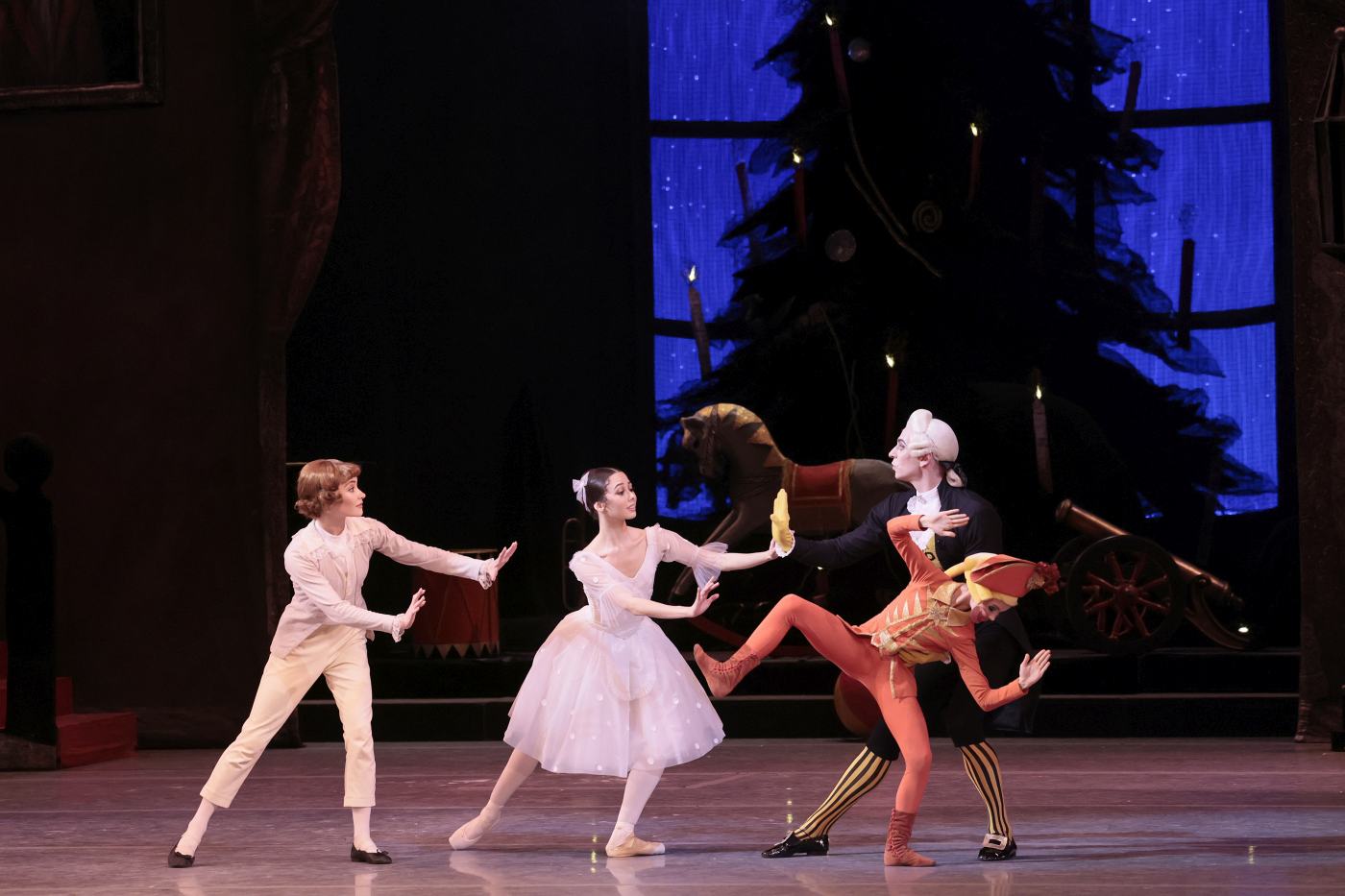
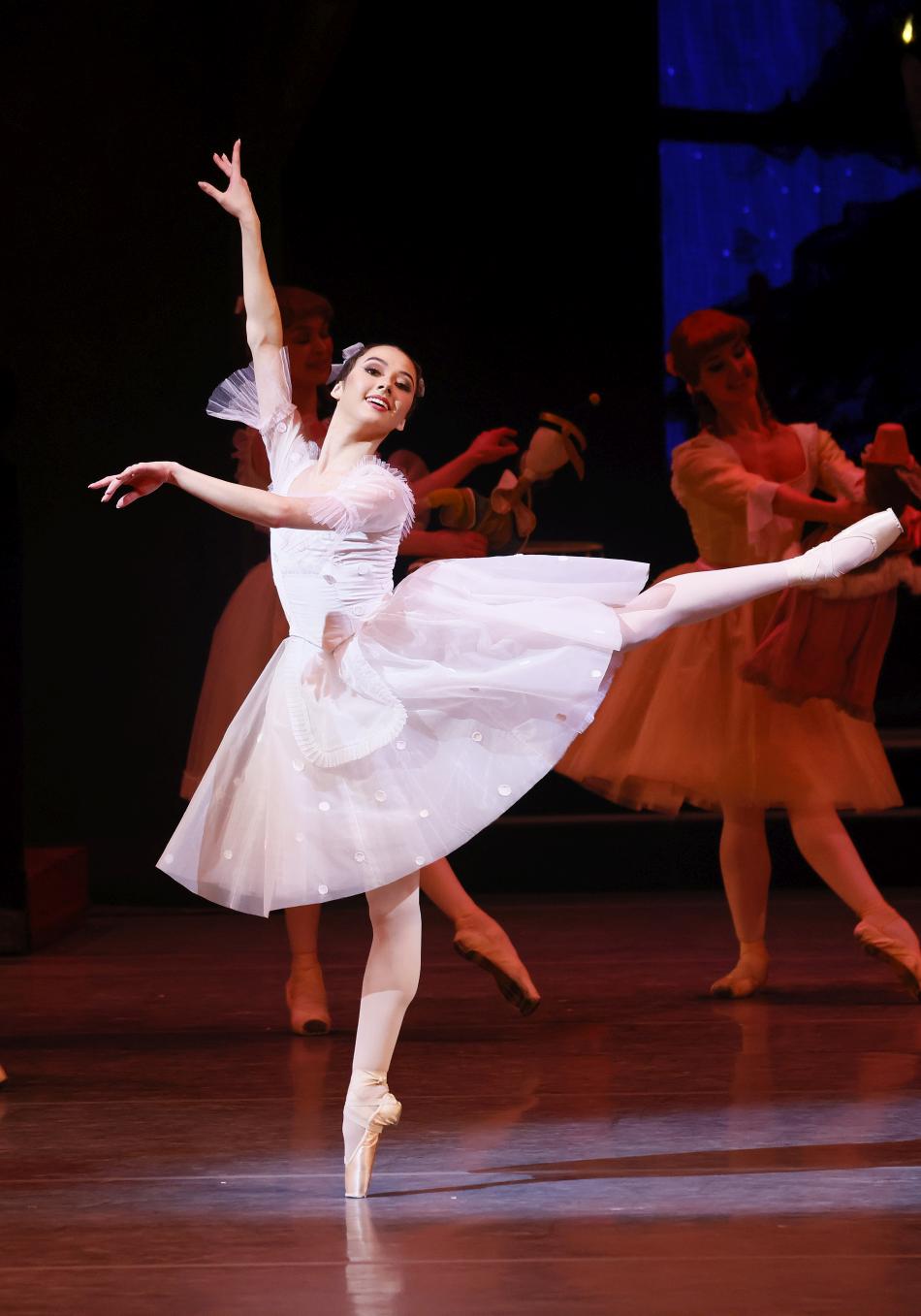
1. E.Kokoreva (Marie), D.Savin (Drosselmeier), and ensemble, “The Nutcracker” by Y.Grigorovich, Bolshoi Ballet 2025 © Bolshoi Theatre/D.YusupovOf the many special moments in Yuri Grigorovich’s The Nutcracker, there’s one you shouldn’t miss: when the Christmas tree is growing, and Marie’s transformation takes place. Then you need to make a wish. At least, that’s the insiders’ tip from the Bolshoi Ballet’s artists involved in the production.

Grigorovich’s The Nutcracker premiered at the Bolshoi Theatre in 1966 and was performed for the eight hundredth time earlier in December. Perhaps that’s why the Russian Channel One broadcast a one-hour documentary about The Nutcracker at the end of December. The film outlines the plot, provides insight into the music, set, and costumes, and looks at sixty years of performance history, during which nothing changed. Numerous coaches and ballet masters guarantee that Grigorovich’s legacy is preserved and kept alive. Continue reading “Believe in Miracles”

Prix Benois Laureates 2025

Prix Benois de la Danse
Bolshoi Theatre (Historic Stage)
Moscow, Russia
June 17, 2025

by Ilona Landgraf
Copyright © 2025 by Ilona Landgraf

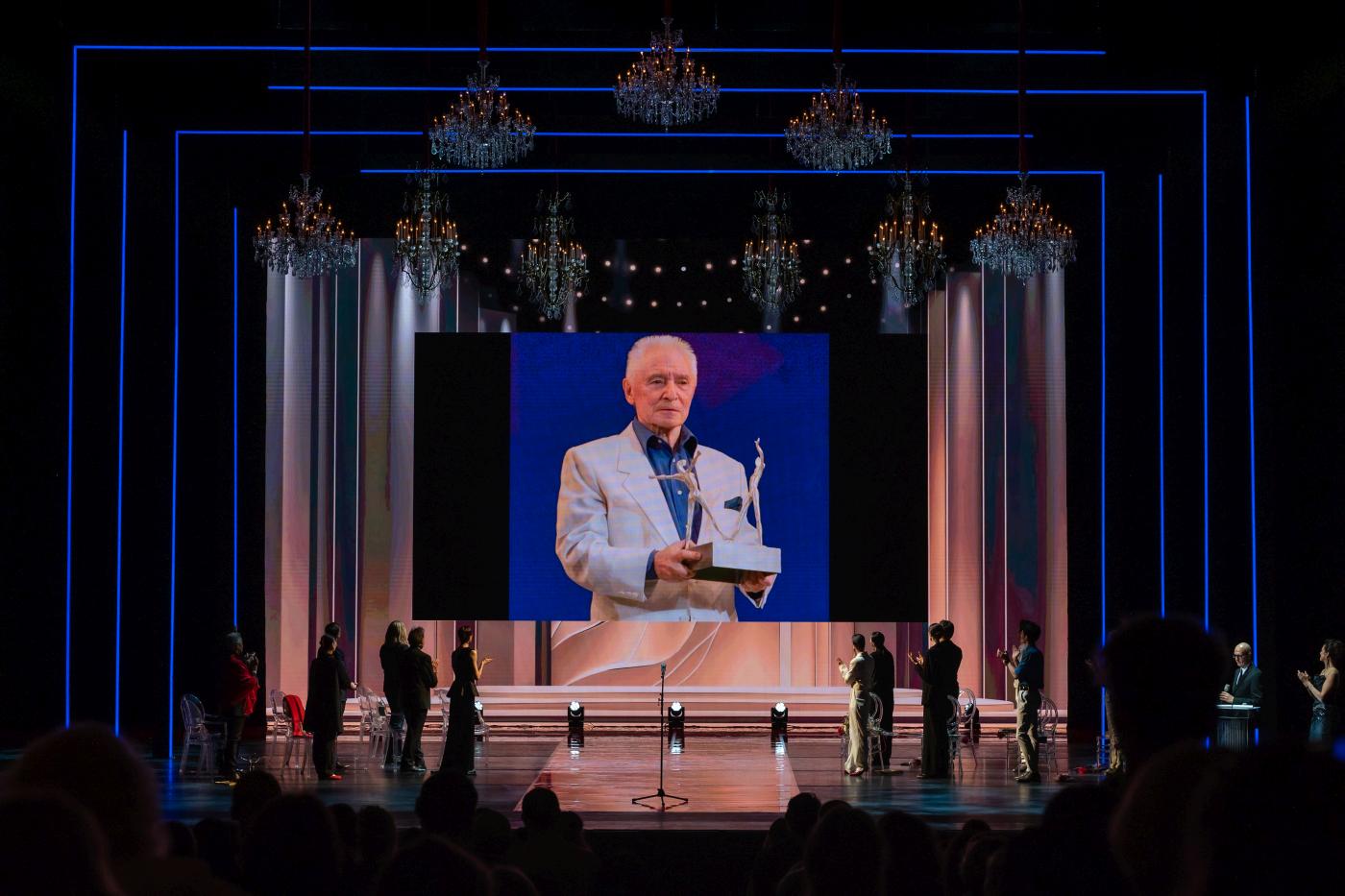
1. Y.Grigorovich, Prix Benois Award Ceremony, Bolshoi Theatre 2025 © B.AnnadurdyevYesterday evening, the Prix Benois laureates were announced on the Bolshoi Theatre’s historic stage for the 33rd time.

Mthuthuzeli November won the prize for best choreography in absentia for Chapter Two, a creation for Cape Ballet Africa in South Africa. The Mariinsky Ballet’s Renata Shakirova won the best female dancer prize for her performance as Swanilda in Alexander Sergeev’s new Coppélia. Like last year, the prize for the best male dancer was awarded twice. Joshua Williams received the Prix Benois for his performance in November’s Chapter Two; Dmitry Smilevsky (Bolshoi Ballet) was awarded for his performances as Mercutio in Leonid Lavrovsky’s version of Romeo and Juliet and Prince Désiré in Yuri Grigorovich’s version of The Sleeping Beauty. Continue reading “Prix Benois Laureates 2025”

Choreographer Nominees for the Prix Benois 2025

Prix Benois de la Danse
Mukaram Avakhri, Wang Ge, Thomas Lebrun, Andrey Merkuriev, Mthuthuzeli November, Alexander Sergeev
Bolshoi Theatre (Historic Stage)

Moscow, Russia
June 2025

by Ilona Landgraf
Copyright © 2025 by Ilona Landgraf

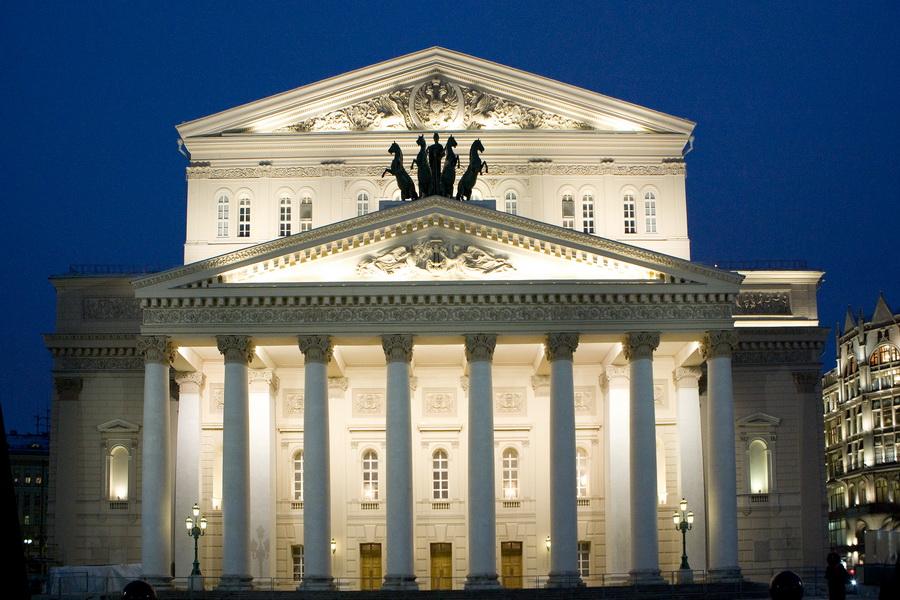
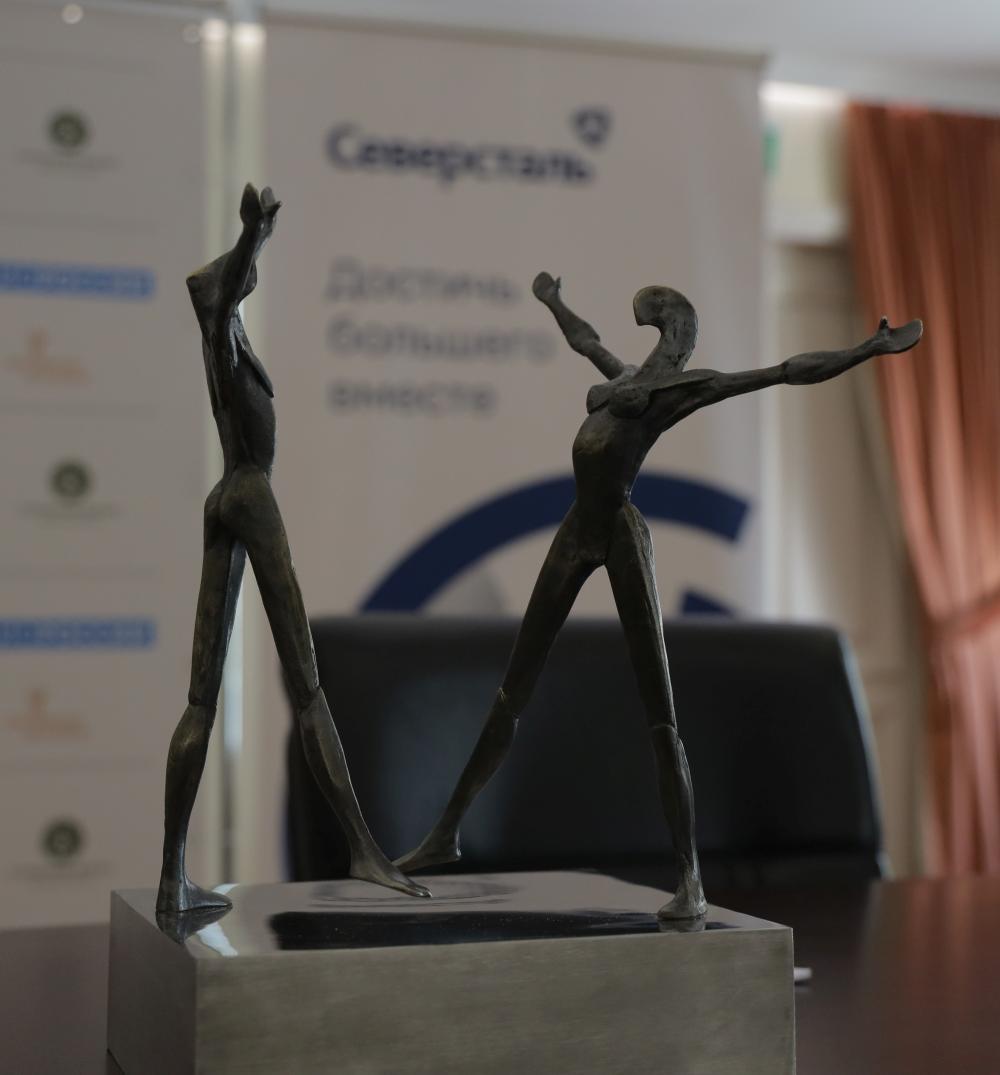
1. Bolshoi Theatre © Bolshoi Theatre/D.Yusupov2. Statuette of the Prix Benois de la Danse, design by I.Ustinov © Benois Center On June 17th, the Bolshoi Theatre’s Historic Stage will host the annual Prix Benois charity gala and awards ceremony. Traditionally, laureates of previous years have performed in a gala concert on the following evening. Prizes will be awarded for the best choreographer, female dancer, and male dancer. This year’s festival will pay tribute to Yuri Grigorovich, who passed away on May 19th. Grigorovich founded the Prix Benois competition in 1991 and served as chairman of the jury, artistic director, and president.
Below is an overview of the six nominated choreographers. A report of the dancer nominees will follow. Continue reading “Choreographer Nominees for the Prix Benois 2025”

The Hub

“The Nutcracker”
Bolshoi Ballet
Bolshoi Theatre
Moscow, Russia
December 31, 2024 (live stream)

by Ilona Landgraf
Copyright © 2025 by Ilona Landgraf

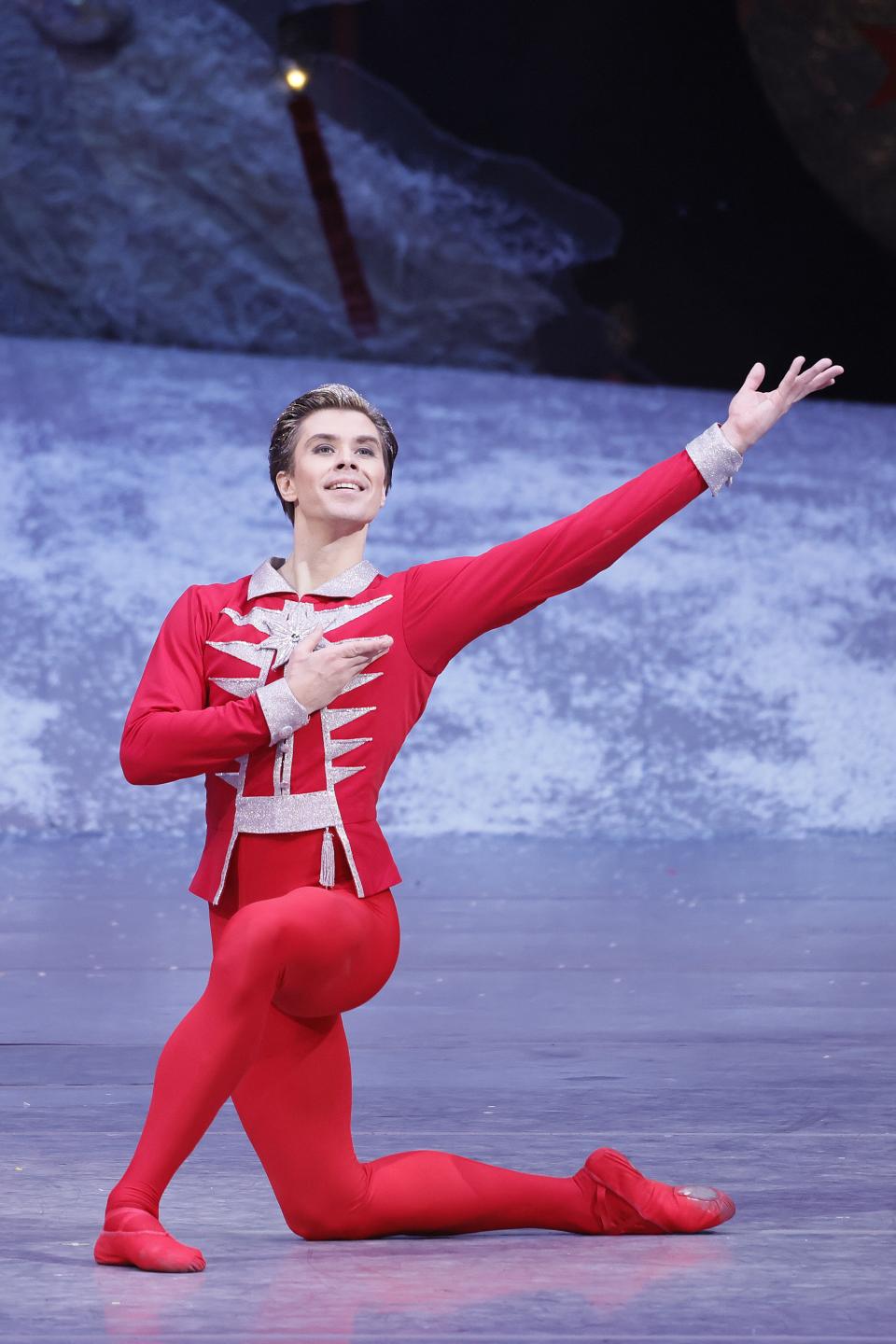
1. E.Kokoreva (Marie) and ensemble, “The Nutcracker” by Y.Grigorovich, Bolshoi Ballet 2024 © Bolshoi Ballet/D.Yusupov2. A.Ovcharenko (Nutcracker Prince), “The Nutcracker” by Y.Grigorovich, Bolshoi Ballet 2024 © Bolshoi Ballet/D.Yusupov During this year’s Christmas sermon, my pastor asked which moment should best represent Christmas. The Christmas dinner? The lighting of the candles? Or, perhaps, unwrapping the presents? For me, this moment was the moment during the Bolshoi Ballet’s performance of The Nutcracker when the newlywed Marie (Elizaveta Kokoreva) and the Nutcracker Prince (Artem Ovcharenko) were lifted by their court toward the star at the top of the Christmas tree. It was the climax of their spiritual journey and of Yuri Grigorovich’s choreography for which I had been waiting since I last saw his Nutcracker live in Moscow in 2022.

Two live streams on December 30th (evening performance) and December 31st (matinee) enabled a vast audience to follow the heroes’ journey. To meet the demand, the number of cinemas offering live broadcasts grew from one hundred to three hundred in December. Most were located in Russia, but cinemas in Belarus, Armenia, and the United Arab Emirates also participated. I was able to watch the matinee on the Bolshoi’s vk video platform. Continue reading “The Hub”

Unstoppable

“Spartacus”
Ballet of the Krasnoyarsk State Opera and Ballet Theatre
Hvorostovsky Krasnoyarsk State Opera and Ballet Theatre
Krasnoyarsk, Russia
October 18, 2024 (video)

by Ilona Landgraf
Copyright © 2024 by Ilona Landgraf

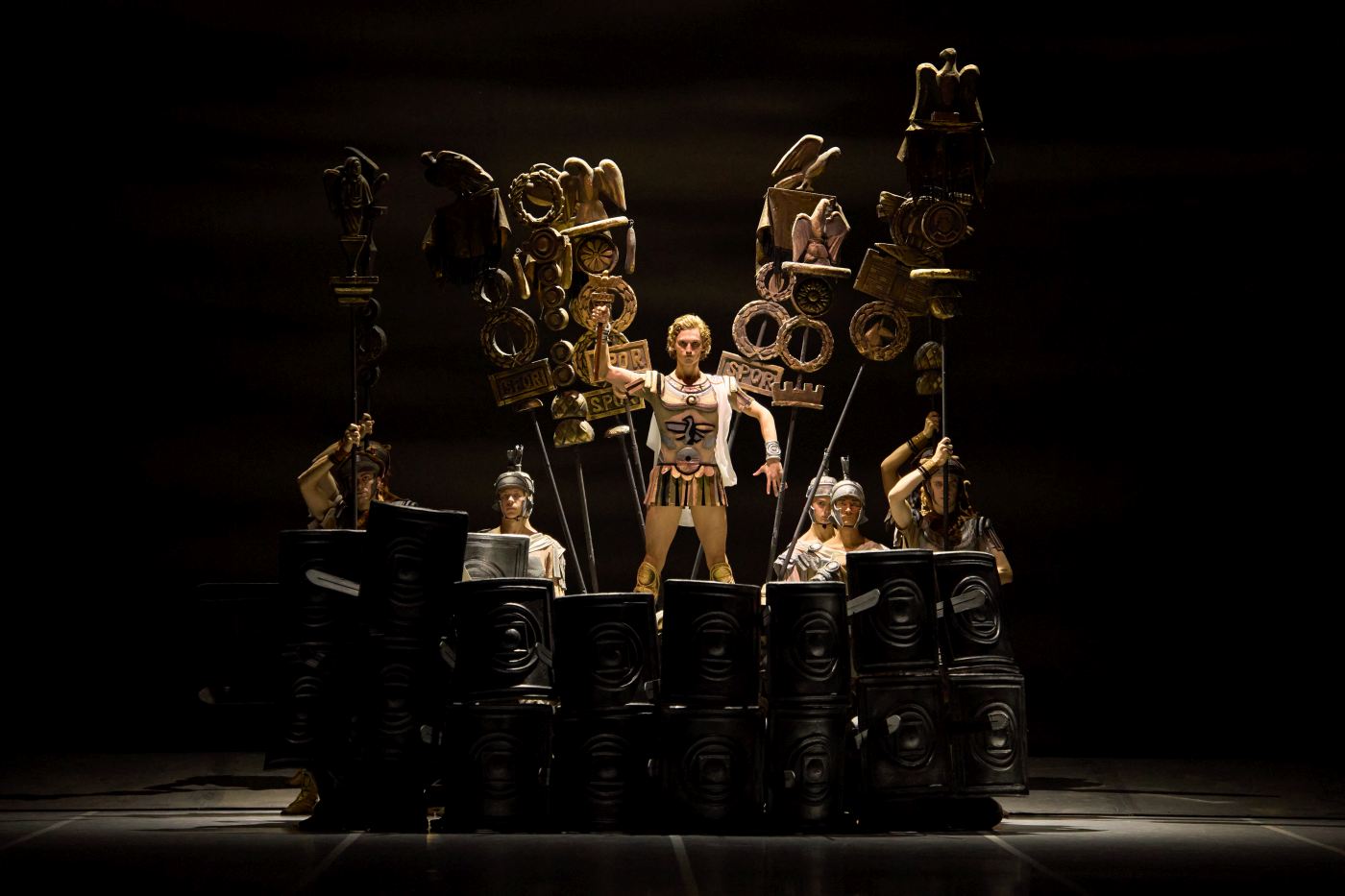
Photos: 1. Y.Kudryavtsev (Crassus) and ensemble, “Spartacus” by Y.Grigorovich, Krasnoyarsk State Opera and Ballet Theatre 2024, photo by E.Koryukin © Krasnoyarsk State Opera and Ballet TheatreThis October, the Krasnoyarsk Ballet revived Yuri Grigorovich’s epic Spartacus, which had been absent from their stage for seventeen years. The production was therefore announced as a premiere. As Spartacus has rarely been danced by Western companies (the Bavarian State Ballet performed it in 2017, and the Ballet of the Teatro dell’Opera di Roma in 2018), I was glad to view a video of the opening night in Krasnoyarsk.

Spartacus is an icon of Russian ballet culture. Its title character, the captive King of Thrace, leads the slave uprising in the Third Servile War (73-71 BC) against the Roman consul Crassus. A man of honor and principles, Spartacus fights for freedom no matter what. But female intrigue undermines the strength of his army and leads to his execution in an unjust one-against-many showdown. Spartacus’s unfaltering—and ultimately self-sacrificial—courage resonates with Russians who have great esteem for their war heroes. Continue reading “Unstoppable”

An Opening Salute

“The Sleeping Beauty”
Bolshoi Ballet
Bolshoi Theatre
Moscow, Russia
September 07, 2024 (live stream)

by Ilona Landgraf
Copyright © 2024 by Ilona Landgraf

 1. Y.Ostrovsky (Catalabutte) and ensemble, “The Sleeping Beauty” by Y.Grigorovich after M.Petipa, Bolshoi Ballet 2024 © Bolshoi Theatre/P.Rychkov The Bolshoi Ballet opened its 249th season with a revival of Yuri Grigorovich’s The Sleeping Beauty, which has been absent from the stage for four years. Because of the thorough change of décor, the production was announced as a premiere. It swapped the opulent (and often criticized) sets and costumes that Ezio Frigerio and Franca Squarciapino designed for the 2011 revival (celebrating the reopening of the theater’s Historic Stage after six years of refurbishment) for the restrained décor that Simon Virsaladze (1909–1989) created for Grigorovich’s second version of the ballet in 1973. The subdued hues and aquarelle-ish style of its courtly surroundings direct the gaze toward the colorful costumes (recalling French court fashion from King Louis XIII’s to the Sun King, Louis XIV’s, reign), beautiful flower garlands and bouquets at Aurora’s birthday party, and, most importantly, the dancers and their performances. Raising the curtain didn’t elicit oohs and aahs from the audience as, for example, Jürgen Rose’s décor for Marcia Haydée’s Sleeping Beauty regularly has done on Western stages. Continue reading “An Opening Salute”

Mighty

“Ivan the Terrible”
Bolshoi Ballet
Bolshoi Theatre (Historic Stage)
Moscow, Russia
June 06, 2023

by Ilona Landgraf
Copyright © 2023 by Ilona Landgraf

1. E.Obraztsova (Anastasia) and I.Vasiliev (Ivan the Terrible), “Ivan the Terrible” by Y.Grigorovich, Bolshoi Ballet 2023 © Bolshoi Ballet / D.Yusupov For Yuri Grigorovich’s “Ivan the Terrible” at the Bolshoi Ballet I needed some preparation. The biography by the late Ruslan Skrynnikov (1931 – 2009), a research professor at St. Petersburg State University and a leading historian of early modern Russia, seemed useful. Although it was instructive, the reading was tedious. Skrynnikov is a painstaking sociopolitical analyst, an expert in imparting the cruelty of medieval life, but I learned little about the person Ivan the Terrible (1530 – 1584). Interestingly, his nickname terrible results from a misleading translation of the actual epithet Грозный (grozny) which – according the Russian lexicographer Vladimir Dal (1801 – 1872) – can be translated as “courageous, magnificent, magisterial and keeping enemies in fear, but people in obedience”. A “tsar who managed to keep everything under control” – that’s how ballet legend Ivan Vasiliev (who’s regularly performed the role) describes Ivan the Terrible in an interview (subtitled in English and very much worth seeing), adding that “when you bear responsibility for such a huge country, you cannot lose control.” Continue reading “Mighty”

Transcendent

“The Nutcracker”
Bolshoi Ballet
Bolshoi Theatre
Moscow, Russia
December 29, 2022 (matinee and evening performance)

by Ilona Landgraf
Copyright © 2023 by Ilona Landgraf

1. V.Bessonova (Columbine), “The Nutcracker” by Y.Grigorovich, Bolshoi Ballet 2022 © Bolshoi Ballet / M.LogvinovAfter meeting him at a guest performance with Les Ballets de Monte Carlo six years ago, the Bolshoi’s Semyon Chudin suggested that I see their “Nutcracker” in Moscow. Year after year, one thing or another has prevented me from getting to the Bolshoi at Christmastime. Finally, this year, it happened: on the edge of New Year’s Eve, I watched a matinee and an evening performance.

The Bolshoi’s “Nutcracker” dates back to 1966 – qualifying it neither as trendy nor hip by today’s standards. Perhaps Makhar Vaziev, the company’s artistic director, has kept it in the repertoire for a number of reasons: out of respect for tradition; out of respect for the ballet’s choreographer – Yuri Grigorovich – one of the company’s formative figures; and out of respect for the crowd-pleasing nature of the piece that leads to sold out performances now as ever. Continue reading “Transcendent”

Universal Love

“Romeo and Juliet”
Bolshoi Ballet
Bolshoi Theatre
Moscow, Russia
November 25, 2017

by Ilona Landgraf
Copyright © 2017 by Ilona Landgraf

1. V.Lopatin and A.Stashkevich, "Romeo and Juliet" by A.Ratmansky, Bolshoi Ballet 2017 © Bolshoi Ballet / E.Fetisova Last week the Bolshoi Ballet added a second version of “Romeo and Juliet” to its repertoire. By Alexei Ratmansky, it premiered at the National Ballet of Canada in 2011 and is being performed on the New Stage of the Bolshoi Theatre. As during recent years, Yuri Grigorovich’s adaption will be shown on the Bolshoi’s Historic Stage.
Ratmansky cast three leading couples: Ekaterina Krysanova & Vladislav Lantratov; Anastasia Stashkevich & Vyacheslav Lopatin; and Evgenia Obraztsova & Artemy Belyakov; however the pairings switched in the course of the first run. I saw the fourth performance after the premiere; Stashkevich was Juliet alongside Lopatin’s Romeo. Continue reading “Universal Love”

Boris Akimov – Half a Century for the Bolshoi

Bolshoi Ballet
Moscow, Russia
March 10, 2017

by Ilona Landgraf
Copyright © 2017 by Ilona Landgraf

1. B.Akimov, Bolshoi Ballet © Bolshoi Theatre / D.YusupovDid you watch the Bolshoi Ballet’s live broadcast last October on World Ballet Day? If so, you must remember the lean, white-haired man who taught morning class: Boris Akimov. The motivation he spread was contagious, his vigor stupendous. Akimov demonstrated the exercises, had an eye on everyone and, simply with his charisma, kept everyone’s attention focused. Katerina Novikova, head of the press office, had just revealed in her introductory words that Akimov has been working at the Bolshoi for fifty years, and yet no one could have imagined that he was seventy years old at the time.

Akimov danced with the company, directed it artistically and for decades since has been teaching, rehearsing and coaching not only dancers of the Bolshoi and other companies abroad, but also students of the Russian University of Theatre Arts. He has been honored and recognized for his artwork extensively, including receiving the “People’s Artist of the USSR” in 1989, the highest title Russia can bestow on an artist.

I met Akimov on March 10th at the Bolshoi Theatre to find out more about his career and artistic vision. Novikova kindly interpreted from Russian to English and vice versa.
Akimov’s answers are in italics. Continue reading “Boris Akimov – Half a Century for the Bolshoi”

Grigorovich’s “Giselle”

“Giselle”
Bolshoi Ballet
Bolshoi Theatre
Moscow, Russia
February 18 / 19, 2017

by Ilona Landgraf
Copyright © 2017 by Ilona Landgraf

1. O.Smirnova and S.Chudin, “Giselle” by Y.Grigorovich after J.Coralli, J.Perrot and M.Petipa, Bolshoi Ballet 2017 © Bolshoi Theatre / E.Fetisova“Giselle” is in the core repertory of almost every ballet company, whether in a modern interpretation or a traditional one. The Bolshoi even holds two traditional versions, one by Yuri Grigorovich, the other by Vladimir Vasiliev. Vasiliev’s 1997 “Giselle” follows the earlier versions of Leonid Lavrovsky and Alexander Gorsky. Earlier in 1987 Grigorovich had instead traced the choreographic lineage directly via Marius Petipa to Jules Perrot and Jean Coralli’s 1841 original. In honor of the 90th anniversary of Grigorovich’s birth, the Bolshoi presented three performances of his “Giselle” as part of the Grigorovich ballet festival, of which I saw two matinées with different casts. Continue reading “Grigorovich’s “Giselle””

Spartacus versus Crassus

“Spartacus”
Bavarian State Ballet
National Theater
Munich, Germany
January 03, 2017

by Ilona Landgraf
Copyright © 2017 by Ilona Landgraf

1. O.Gouneo and ensemble, “Spartacus” by Y.Grigorovich, Bavarian State Ballet © W.Hösl 2017Yuri Grigorovich’s “Spartacus” has four leading characters: Spartacus, the heroic fighter for freedom, his antipode, the Roman consul Crassus, and the two men’s lovers, Phrygia and Aegina. The dynamics between the four characters varies depending on the dancers. Having already seen the ballet before Christmas, I was curious as to how the dynamics would be re-balanced by another cast. This time Cuban-born Osiel Gouneo danced Spartacus alongside Ivy Amista as Phrygia. Erik Murzagaliyev replaced the injured Matêj Urban in the role of Crassus. Prisca Zeisel was Crassus’s concubine Aegina.

Gouneo’s Spartacus melded feline suppleness with focused power. He is a fine jumper and turns with elegant ease. With confidence and natural pride, his chest cut through the air like a stately ship’s figurehead. His Spartacus was driven by inner visions, by an intense desire which the flash of his eyes also strongly expressed. Gouneo’s acting, be it when protecting Phrygia, uniting his fighters or struggling as a captive, was credible throughout. He made Spartacus a charismatic, likeable leader. Continue reading “Spartacus versus Crassus”

Munich’s Heroes

“Spartacus”
Bavarian State Ballet
National Theater
Munich, Germany
December 23, 2016

by Ilona Landgraf
Copyright © 2016 by Ilona Landgraf

1. V.Shklyarov and ensemble, “Spartacus” by Y.Grigorovich, Bavarian State Ballet © W.Hösl 2016Since last Thursday, shortly before Christmas Eve, heroic fighters have commanded the stage of Munich’s National Theater. Hordes of men together with a few women all of them representing characters of either Thracian or Roman lineage, dance “Spartacus”, the epic about a Thracian man who, after having been enslaved by the Roman consul Crassus, engineers a revolt. What will happen, happens: Spartacus dies a hero’s death.

Big doses of fierce fighting and repeated displays of valor need a strong portion of the erotic in order to make them palatable to the audience. That is supplied by two women – Phrygia, Spartacus’s faithful mistress, and Aegina, Crassus’s conniving courtesan. The ballet’s action is based on the novella “Spartaco”, penned in 1874 by Raffaello Giovagnoli, who likely took liberties with historical material from before the Christian era.

There are plenty of “Spartacus” ballets in existence. Budapest, Vienna, Hong Kong and Cape Town have their own productions. Russia has seen four versions: the most recent is Georgy Kovtun’s for the Mikhailovsky Theatre. Aram Khachaturian had composed the music in 1954, and the first staging, by Igor Moiseyev for the Bolshoi in 1956 was short-lived. It was given only two performances, perhaps because it contained much pantomime but too little dancing. Continue reading “Munich’s Heroes”